How to Change the Oil in a Lawn Mower
How to change the oil in a lawn mower is a simple but essential routine that keeps your equipment running smoothly. Regular oil changes protect the engine, extend its life, and ensure reliable starts. This guide walks you through every step, from gathering supplies to proper disposal. Whether you own a push mower or a riding mower, these steps apply.
Neglecting oil changes leads to engine wear, overheating, and costly repairs. Fortunately, the process takes only about 15 minutes. With basic tools and our expert advice, you can perform this maintenance task confidently. We’ll cover what oil to use, how to drain the old oil, and tips to avoid common mistakes.
By the end of this article, you will know exactly how to change the oil in a lawn mower like a pro. Let’s dive into the details.
Key Takeaways
- Main Point: Changing oil regularly prevents engine damage and keeps your mower running efficiently.
- Actionable Advice: Always warm up the engine before draining to remove contaminants more effectively.
- Best Choice/Practice: Use SAE 30 weight oil for most push mowers; check your manual for exact specifications.
- Expert Insight: Dispose of used oil at a recycling center — never pour it down the drain or on the ground.
- Summary: Follow the steps: warm engine, drain old oil, replace filter if needed, refill with fresh oil.
Why Regular Lawn Mower Oil Changes Matter
Oil lubricates the engine’s moving parts, reduces friction, and carries away heat. Over time, it breaks down and collects dirt, metal particles, and moisture. Dirty oil loses its lubricating properties, leading to premature wear. Lawn mower maintenance experts recommend changing the oil every 50 hours of operation or at least once per season. For heavy use, change it more often.
Neglecting this simple task can cause the engine to seize or suffer internal damage. A well-maintained mower starts easier, runs smoother, and lasts longer. It also reduces emissions and fuel consumption. By learning how to change the oil in a lawn mower, you save money on repairs and extend the life of your machine.
Different mowers have different requirements. Push mowers typically use a single-cylinder engine with a small oil capacity (about 15-20 ounces). Riding mowers may have larger engines that need up to 2 quarts. Always consult your owner’s manual for the correct oil type and capacity. Using the wrong oil can cause poor lubrication or engine damage.
Tools and Supplies Needed for Small Engine Oil Change
Before starting, gather all necessary items. This ensures a smooth process without interruptions. Here’s what you’ll need:
- High-quality engine oil (check manual for viscosity, usually SAE 30, 10W-30, or synthetic blend)
- Oil drain pan (large enough to hold old oil)
- Socket or wrench set (for drain plug removal, typically 12mm, 15mm, or 17mm)
- Funnel (to avoid spills when refilling)
- Rags or paper towels for cleanup
- Safety glasses and gloves (optional but recommended)
- Oil filter wrench (if your mower has a replaceable oil filter)
- Oil disposal container (old oil container or sealed jug)
Having the right tools makes the job easier and cleaner. For riding mowers, you might also need a car jack or ramps to access the drain plug. Push mowers usually have the drain plug on the side or bottom. Some mowers have a drain tube for easier draining. Check your owner’s manual for specifics.
Step-by-Step Lawn Mower Oil Change Steps
Follow these clear steps for a successful oil change. Each step is important for safety and effectiveness.
Step 1: Warm Up the Engine
Run the mower for about 3-5 minutes to warm the oil. Warm oil flows more easily and carries more contaminants. Do not overheat the engine; just let it idle until the oil is warm to the touch (not hot). This is a key part of small engine oil change best practices.
Step 2: Drain the Old Oil
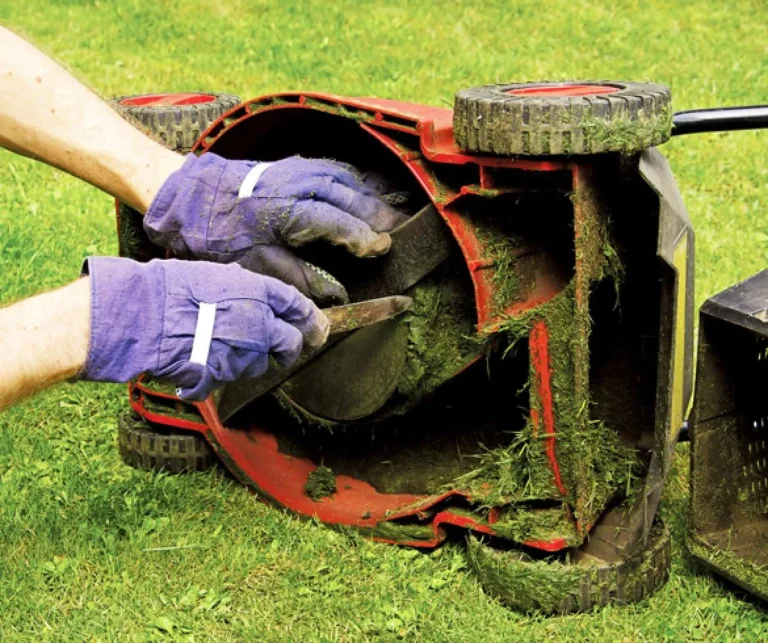
Turn off the engine and disconnect the spark plug wire to prevent accidental starting. Position the drain pan under the drain plug. Remove the oil fill cap (dipstick) to allow air flow. Use a wrench to remove the drain plug carefully. Let the oil drain completely. Tilt the mower slightly toward the drain side if needed (for push mowers, tilt it away from the air filter to avoid oil spillage).
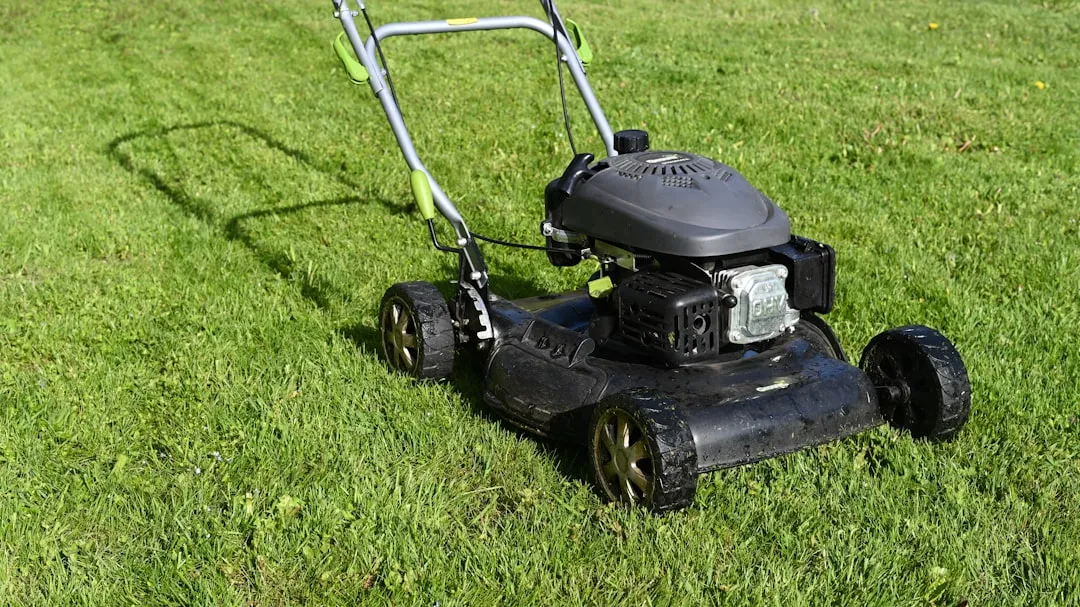
After the oil stops dripping, reinstall the drain plug and tighten it snugly. Do not overtighten. Replace the drain plug washer if it is worn or missing.
Step 3: Replace the Oil Filter (If Applicable)
Some mowers have a spin-on oil filter. Use an oil filter wrench to remove the old filter. Lightly lubricate the gasket of the new filter with fresh oil. Screw it on by hand until it contacts the mounting base, then tighten an additional 3/4 turn. Do not overtighten.
Step 4: Add Fresh Oil
Place a funnel in the oil fill tube. Pour in the recommended amount of oil. For most push mowers, this is about 15-20 ounces. Check the dipstick frequently to avoid overfilling. The oil level should be between the “full” and “add” marks. Overfilling can cause engine damage or leaks.
Step 5: Check for Leaks and Start the Engine
Reconnect the spark plug wire. Start the engine and let it run for a minute. Inspect under the mower for any oil leaks around the drain plug or oil filter. Stop the engine and recheck the oil level. Add a little more if needed, but be careful not to overfill. Congratulations — you’ve just learned how to change the oil in a lawn mower!
Choosing the Right What Oil for Lawn Mower
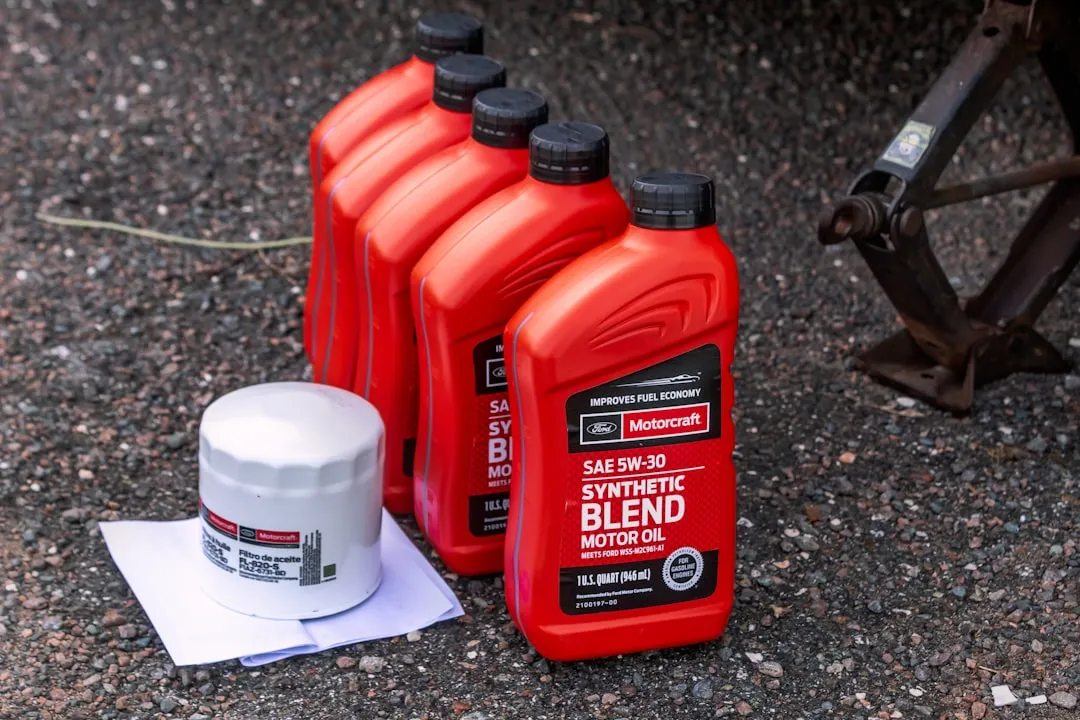
Selecting the correct oil is crucial for optimal engine performance. Most small engines use SAE 30 weight oil for warm weather operation. For colder temperatures (below 40°F), use SAE 10W-30 or synthetic 5W-30. Synthetic oils offer better protection and longer intervals. Always check your owner’s manual for the manufacturer’s recommendation.
Here is a quick comparison of common oil types:
Using the wrong viscosity can lead to poor lubrication or starting issues. Avoid using automotive oil additives or mixing different oils. Stick with a single high-quality oil designed for small engines.
Tips for Draining Lawn Mower Oil Efficiently
Draining lawn mower oil can be messy if not done properly. Here are professional tips to make it cleaner and easier:
- Use a large drain pan with a spout — it minimizes spills.
- Wear nitrile gloves to keep hands clean.
- Place cardboard or newspaper under the mower for extra protection.
- If the drain plug is hard to reach, use a siphon pump to remove oil through the dipstick tube.
- For riding mowers, warm the engine and drive it onto ramps for better access.
💡 Pro Tip
For easier draining, use a siphon pump to extract oil through the dipstick tube. This works great on mowers without a drain plug and reduces mess.
Another tip: if your mower does not have a drain plug, you may need to tip it to drain the oil through the fill tube. This is common on older push mowers. Tilt the mower away from the air filter and carburetor to avoid engine damage. Drain the oil into a pan and then dispose of it properly.
Common Mistakes to Avoid During Lawn Mower Maintenance
Even experienced DIYers can make errors. Here are common pitfalls and how to avoid them:
- Forgetting to disconnect the spark plug — always remove the wire to prevent accidental starting.
- Overfilling the oil — causes excessive pressure, leaks, and engine damage.
- Using the wrong oil type — degrades performance and can void warranty.
- Not warming the engine — cold oil drains poorly and leaves contaminants behind.
- Overtightening the drain plug — strips threads and causes future leaks.
- Disposing of oil improperly — always take used oil to a recycling center or auto parts store.
⚠️ Important Note
Never pour used oil into the trash, down drains, or onto the ground. Collect it in a sealed container and take it to a recycling center or auto parts store for proper disposal.
Following these lawn mower oil change steps correctly ensures a long-lasting engine. Remember to record the date and hours of operation after each oil change for future reference.
Frequently Asked Questions
How often should I change the oil in my lawn mower?
Most manufacturers recommend changing the oil every 50 hours of operation or at least once a season. If you use the mower in dusty conditions or under heavy load, change it more often — every 25 to 30 hours.
Can I use car oil in my lawn mower?
Car oil is not ideal because small engines operate at higher RPMs and temperatures. Use oil specifically formulated for small engines (like SAE 30 or 10W-30). Some synthetic car oils work, but check the manual first.
What happens if I put too much oil in my lawn mower?
Overfilling causes the crankshaft to whip the oil into a foam, which reduces lubrication. It can also cause oil to leak past seals and into the air filter. Drain excess oil immediately to avoid engine damage.
Do I need to change the oil filter every time?
If your mower has an oil filter, it is good practice to replace it with every oil change. The old filter retains contaminants and dirty oil, defeating the purpose of a fresh oil change.
Conclusion
Learning how to change the oil in a lawn mower is a valuable skill that saves time and money. Regular oil changes keep the engine clean, reduce wear, and ensure reliable operation. By following the steps outlined in this guide, you can perform this task safely and effectively.
Remember to check your owner’s manual for specific recommendations. Use the correct oil type, warm the engine before draining, and dispose of used oil responsibly. Incorporate this routine into your overall lawn mower maintenance schedule. Your mower will reward you with years of dependable service. If you’re still shopping for a mower, check out our guide on how to buy a lawn mower for home and how to choose the right lawn mower for you.