How to Change Oil on a Lawn Mower
How to change oil on a lawn mower is a simple but essential skill for every lawn owner. Regular oil changes keep the engine running smoothly, extend its life, and improve performance. In this guide, you will learn the exact steps, required tools, oil types, and the right maintenance schedule. Whether you have a push mower or a riding mower, these instructions work for most models.
Changing oil might seem messy or complicated, but it takes only 15 minutes. You will save money on repairs and ensure your mower starts reliably each season. Follow this complete guide to master the process.
Before starting, gather a few tools: an oil drain pan, a socket or wrench, a funnel, fresh oil, and a replacement filter (if your mower has one). Always refer to your owner’s manual for specific capacities and oil recommendations.
Key Takeaways
- Main Point: Changing your lawn mower oil at least once per season prevents engine wear and improves performance.
- Actionable Advice: Always warm the engine before draining and use the correct lawn mower oil type recommended by the manufacturer.
- Best Choice/Practice: Use a high-detergent oil labeled for small engines, such as SAE 30 or 10W-30, depending on the climate.
- Expert Insight: Tipping the mower on its side (spark plug up) makes draining easier and reduces mess.
- Summary: Follow the lawn mower oil change steps in this guide to keep your mower running like new all season.
Why Regular Oil Changes Matter
Oil lubricates the engine’s moving parts, reduces friction, and carries away heat. Over time, oil breaks down and collects dirt, metal particles, and combustion by-products. If you skip changes, the oil becomes sludge, which clogs passages and causes overheating. This leads to costly engine failure.
Most manufacturers recommend changing oil every 50 hours of operation or once per season. For heavy use, change it more often. A clean engine starts easier and uses less fuel. It also reduces emissions and keeps the mower quieter.
Learn how to buy a lawn mower for home that fits your needs, but maintenance is just as important. Regular oil changes are the cheapest way to extend your mower’s life.
What You Need to Change Lawn Mower Oil
Gathering the right tools before you start makes the job quick and clean. Here is a checklist of items you will need:
- Oil drain pan – A wide, shallow pan to catch old oil. A cut-up milk jug works too.
- Socket or wrench – To remove the drain plug. Usually 3/8-inch or 10mm.
- Funnel – For pouring new oil without spills.
- Fresh oil – Use the lawn mower oil type specified in your manual.
- Oil filter wrench – If your mower has a replaceable filter.
- Rags or paper towels – For cleanup.
When draining lawn mower oil, you also need a safe way to dispose of the old oil. Most auto parts stores accept used oil for recycling. Never pour it down the drain or on the ground – it is harmful to the environment.
If you are unsure about the lawn mower oil capacity, check your manual. Typical push mowers hold 15-20 ounces (0.5-0.6 liters). Riding mowers hold 1-2 quarts (0.9-1.9 liters). Always replace the oil filter if your model has one.
💡 Pro Tip
Always warm up the engine for a few minutes before draining oil. Warm oil drains faster and removes more contaminants.
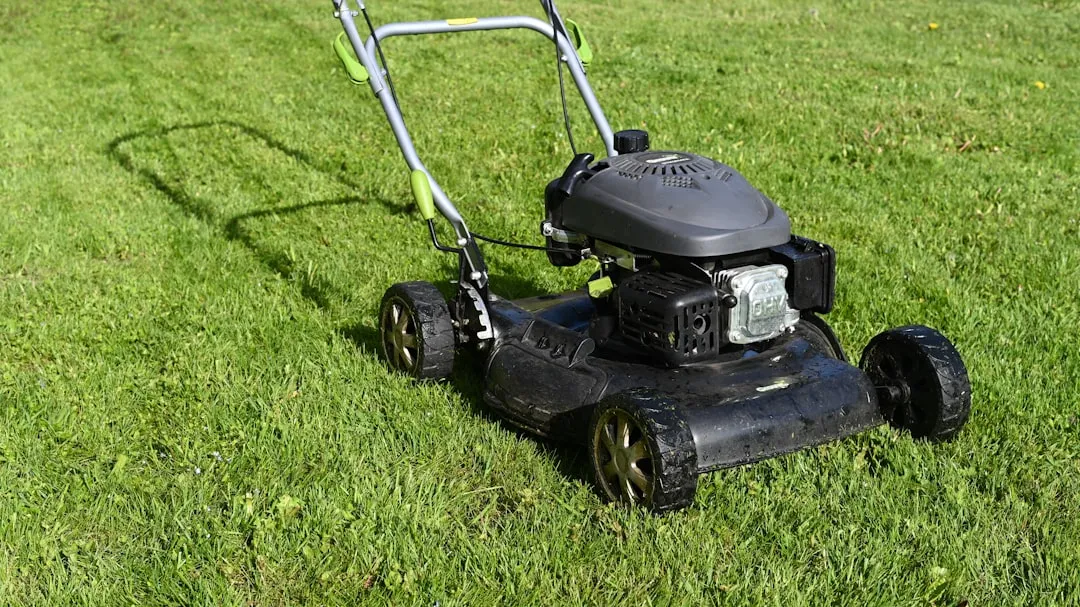
Step-by-Step Guide to Changing Oil
Follow these lawn mower oil change steps for a clean and efficient process. Work on a flat surface with the engine cool but slightly warm for better flow.
Step 1: Warm Up the Engine
Run the mower for 3-5 minutes to warm the oil. Warm oil flows faster and carries more contaminants out. Do not let it get too hot – just warm to the touch.
Step 2: Prepare for Draining
Position the mower so the drain plug faces downward. For push mowers, you may tilt the mower on its side (spark plug side up) to access the plug. For riding mowers, use a jack or ramps to lift the front. Place the drain pan under the plug.
Step 3: Remove the Drain Plug
Use a socket or wrench to loosen the drain plug. Turn it counterclockwise until it comes out. Let the oil drain completely into the pan. This takes a few minutes.
Step 4: Remove and Replace Oil Filter (if applicable)
If your mower has an oil filter, remove it using a filter wrench. Apply a thin coat of new oil to the gasket of the new filter. Screw it on hand-tight, then tighten another 3/4 turn.
Step 5: Replace the Drain Plug
Clean the drain plug and install it back. Tighten securely, but do not overtighten. Check for leaks.
Step 6: Add New Oil
Use a funnel to pour the correct amount of oil. Refer to your manual for the lawn mower oil capacity. Add a little at a time and check the dipstick. Do not overfill.
Step 7: Check Oil Level and Start
Replace the dipstick and tighten. Start the engine and let it run for a minute. Shut off, wait another minute, then recheck the oil level. Add more if needed.
⚠️ Important Note
Never overfill the oil. Check the dipstick after adding oil and add slowly. Overfilling can cause engine damage.
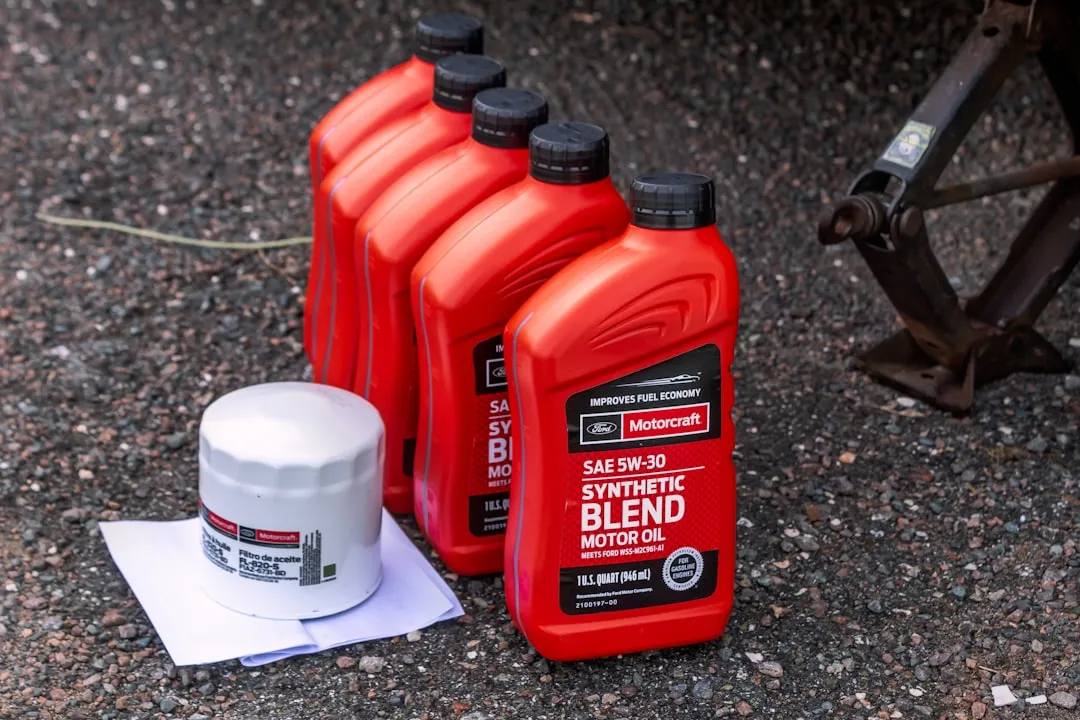
Choosing the Right Oil for Your Mower
Not all oils are the same. Small engines require specific viscosities. Most push mowers use SAE 30, which is thick and works best in warm weather. For variable temperatures, SAE 10W-30 is a good multi-grade choice. In cold climates, SAE 5W-30 offers better cold-start protection.
Check your owner’s manual for the recommended lawn mower oil type. Using the wrong viscosity can cause poor lubrication and engine damage. Some mowers require synthetic oil for longer intervals, but conventional works fine for most.
High-quality oil has detergents that keep the engine clean. Avoid using car oil with energy-conserving additives, as they can harm small engines. Look for oil labeled for lawn mowers or air-cooled engines.
When to Change Oil: Maintenance Schedule
Follow a lawn mower maintenance schedule to keep your mower reliable. For new mowers, change oil after the first 5 hours of use to remove break-in metal particles. After that, change oil every 50 hours or once per season. If you mow a large yard or dusty conditions, change it more often.
Other maintenance tasks include cleaning or replacing the air filter, sharpening the blade, and checking the spark plug. Regular oil changes are the most critical. Mark your calendar or set a reminder for each season.
If you need to choose a right lawn mower for you, consider models with easy-access oil drains. Some newer mowers have a tube that makes draining even simpler.
Frequently Asked Questions
How often should I change lawn mower oil?
Change oil every 50 hours of operation or at least once per season. For new mowers, do the first change after 5 hours.
Can I use car oil in my lawn mower?
It is best to use oil made for small engines. Car oil may have additives that can cause clutch and brake issues in mowers.
Do I need to change the oil filter every time?
Yes, if your mower has an oil filter, replace it with each oil change for maximum protection.
What happens if I overfill the oil?
Overfilling can cause oil to leak into the air filter or combustion chamber, leading to smoking and poor performance. Drain excess oil immediately.
Conclusion
Learning how to change oil on a lawn mower is a simple DIY task that pays off. With the right tools and a few minutes, you can keep your engine clean, cool, and long-lasting. Always use the correct oil type and capacity, and follow a regular schedule.
Regular oil changes prevent costly repairs and ensure your mower starts every time. Pair this with other maintenance like blade sharpening and air filter cleaning for a yard that looks its best. Now you have the knowledge – put it into practice and enjoy a well-maintained lawn mower.