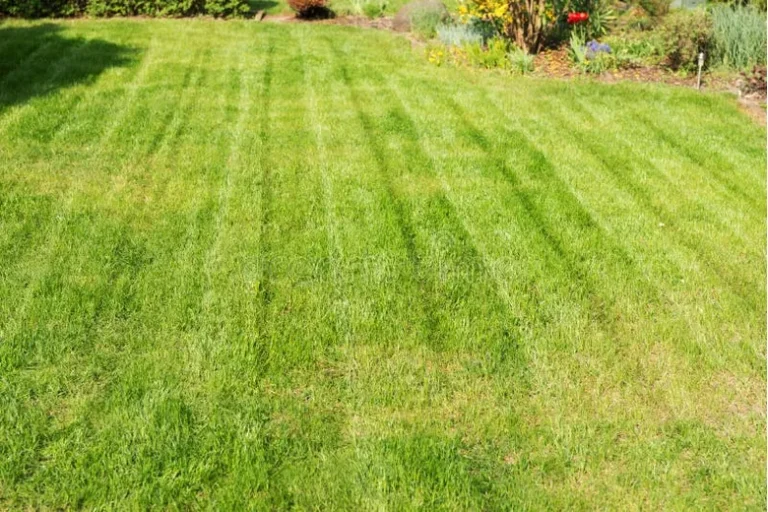

Do it Yourself Lawn Care Schedule
A do it yourself lawn care schedule is the foundation of a lush, healthy lawn. By following a structured plan, you can save money on professional services and achieve professional-grade results. In this guide, you will learn how to create and maintain your own DIY lawn maintenance calendar that covers the entire year. We will break down seasonal lawn care tasks for every climate and grass type. This article gives you a complete residential turf management timeline so you never miss a step. You will also find a clear grass treatment schedule for fertilizing, watering, and mowing. Consistent care builds strong roots and thick turf.
Many homeowners struggle with knowing when to fertilize, aerate, or overseed. A do it yourself lawn care schedule removes the guesswork. It aligns each job with the right season. This approach boosts your lawn’s health and appearance. Plus, it reduces weed and pest problems. You can adapt this plan to your local climate and grass type. The key is consistency. Follow the steps, and you will enjoy a vibrant lawn all year.
This guide covers everything from early spring to winter. You will learn how to build your own schedule. We also share pro tips and important notes. By the end, you will have a full lawn fertilization and weed control routine. Let us start with the essentials.
Key Takeaways
- Main Point: A structured schedule keeps your lawn healthy and saves you money.
- Actionable Advice: Start with a soil test to guide fertilizer and lime applications.
- Best Choice/Practice: Mow at the highest recommended height for your grass type.
- Expert Insight: Water deeply and infrequently to encourage deep root growth.
- Summary: Follow the seasonal tasks below and adjust for your region.
Building Your Do It Yourself Lawn Care Schedule
Creating a do it yourself lawn care schedule starts with understanding your grass type and local climate. Cool‑season grasses (like fescue and bluegrass) have growth peaks in spring and fall. Warm‑season grasses (like Bermuda and St. Augustine) thrive in summer. Your schedule must match these cycles. Also, note your soil quality. Test pH and nutrients every year. This tells you what your lawn needs.
Next, list the major tasks: mowing, watering, fertilizing, weed control, aeration, overseeding, and dethatching. Assign each to a month or season. For example, fertilize cool‑season grass in early spring and late fall. Apply pre‑emergent weed control in spring. Aerate in fall for cool‑season lawns, or late spring for warm‑season lawns. Use a calendar or app to track reminders. This residential turf management timeline keeps you on track.
Spring Lawn Care: The Crucial Start
Spring is the season to set your lawn up for success. Begin with a thorough clean‑up. Rake leaves, twigs, and debris. If your soil is compacted, consider a light aeration. Then apply a balanced fertilizer with a 3‑1‑2 or 4‑1‑2 ratio. Use a lawn fertilization and weed control routine that includes a pre‑emergent herbicide to stop crabgrass. This is part of your grass treatment schedule.
Overseeding can repair thin spots. For cool‑season lawns, early spring or early fall works best. Water new seeds daily until they germinate. Mow your lawn only when it reaches 3‑4 inches. Keep the blade sharp. Do not cut more than one‑third of the leaf height. This reduces stress. Check for weeds and spot‑treat them with a post‑emergent herbicide. Follow the label directions carefully.
Seasonal lawn care tasks in spring also include dethatching if thatch is more than ½ inch thick. Do this after the grass is actively growing. Then fertilize again 6‑8 weeks after the first feeding. Use a slow‑release nitrogen product. Water deeply once a week if rainfall is less than 1 inch. A consistent DIY lawn maintenance calendar prevents problems.
💡 Pro Tip
Group your tasks by season and set calendar alarms. Consistency is key. Use a soil test kit to guide fertilizer choices and avoid over-application.
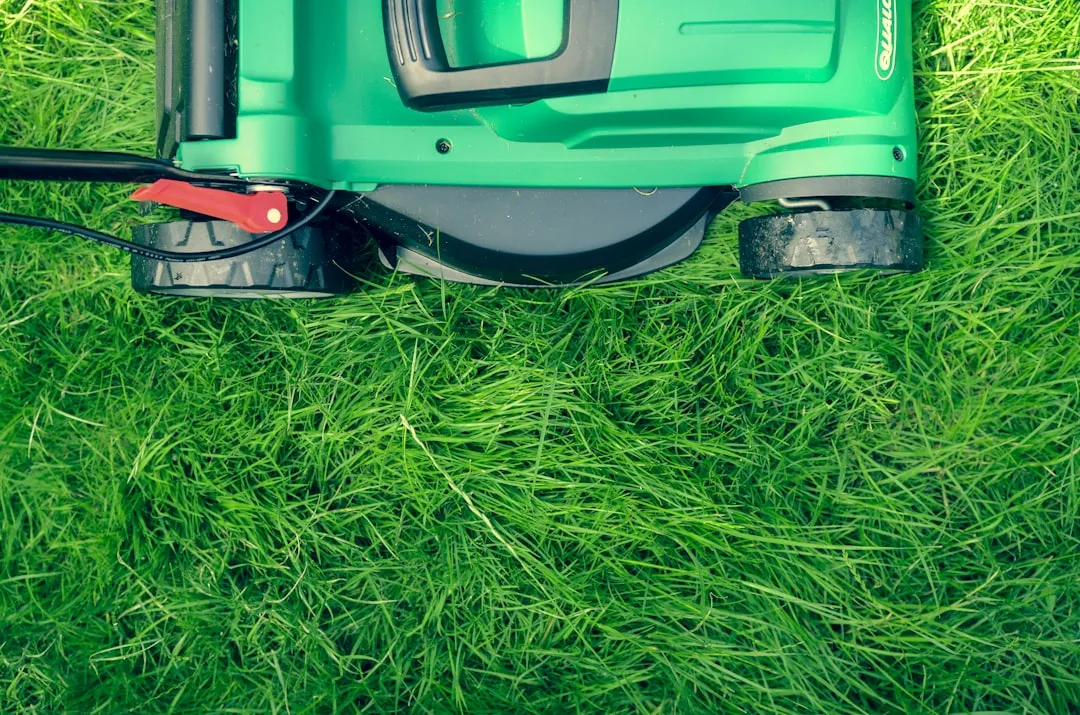
Summer Maintenance for Your Lawn
Summer brings heat and potential drought. Adjust your do it yourself lawn care schedule to protect your lawn. Mow at the highest recommended height for your grass type. For cool‑season grasses, raise the blade to 3‑4 inches. For warm‑season, 2‑3 inches. Taller grass shades the soil and retains moisture. Water early in the morning to reduce evaporation. Aim for 1‑1.5 inches per week, including rainfall. Water deeply and infrequently to encourage deep roots.
Fertilize warm‑season grasses in early summer with a nitrogen‑rich product. Avoid fertilizing cool‑season grasses in summer; they go semi‑dormant. Control weeds by hand‑pulling or spot‑spraying. Do not use broad‑spectrum herbicides during heat stress. Watch for pests like grubs or chinch bugs. Treat only if damage is visible. This residential turf management timeline helps you stay proactive. Check your irrigation system regularly for leaks or clogs.
If you notice brown patches, check for disease. Prevent fungus by watering only in the morning. Improve air circulation by pruning nearby shrubs. A healthy lawn resists most problems. Use a mulching mower to return nutrients to the soil. This reduces the need for extra fertilizer. Stick to your grass treatment schedule and adjust for extreme weather.
⚠️ Important Note
Never over-fertilize in spring. Too much nitrogen leads to lush growth that is vulnerable to disease and requires more water. Always follow label rates.
Fall Lawn Care: Preparing for Winter
Fall is the most important season for cool‑season grasses. Your do it yourself lawn care schedule should focus on repair and feeding. Aerate the lawn to relieve compaction. Follow with overseeding to fill bare spots. Use a starter fertilizer high in phosphorus to support root growth. Apply a winterizer fertilizer with higher potassium to improve cold tolerance. This is a key seasonal lawn care task.
Rake leaves regularly to prevent smothering. If you have a mulching mower, you can chop leaves and leave them on the lawn. That adds organic matter. For warm‑season grasses, fall is time to reduce mowing height gradually. Stop fertilizing 6‑8 weeks before the first frost. Continue watering if the fall is dry. This helps the lawn store energy for winter.
Test your soil again in late fall. Apply lime if needed based on pH results. This takes several months to work. Plan any major projects like installing new sod or grading. This is also a good time to sharpen your mower blade. A clean cut reduces winter damage. Follow our essential guide to lawn care success for more tips.
Winter Lawn Care: Rest and Planning
Winter is a period of dormancy for most lawns. Your do it yourself lawn care schedule shifts to minimal maintenance. Avoid walking on frozen grass to prevent damage. Keep the lawn clear of debris and fallen branches. If you live in a mild climate, you may still need to mow occasionally. Set your mower height to 2 inches for warm‑season grass.
Winter is ideal for planning the next year. Order seeds, fertilizers, and tools. Calibrate your spreader. Research new techniques. If you need a new mower, refer to our buying guide for lawn mowers. You can also sharpen blades and service equipment. This ensures you are ready when spring arrives.
Use this time to learn about your lawn’s specific needs. Review the past year’s notes. Did weeds appear in certain areas? Did the lawn struggle in summer heat? Adjust your DIY lawn maintenance calendar accordingly. A well‑planned winter sets the stage for a great growing season.
Frequently Asked Questions
When should I start my do it yourself lawn care schedule in spring?
Start as soon as the soil temperature reaches 55°F (12°C) for cool‑season grasses. For warm‑season, wait until all frost danger passes and the grass is green. Use a soil thermometer for accuracy.
How often should I water my lawn on a DIY schedule?
Water deeply once or twice per week, aiming for 1 to 1.5 inches total. Adjust based on rainfall and soil type. Sandy soils need more frequent, lighter watering.
Can I use the same schedule for Bermuda and fescue lawns?
No. Cool‑season grasses (fescue) and warm‑season grasses (Bermuda) have different growth cycles. Use a separate schedule tailored to your grass type. Our guide covers both.
What is the most common mistake in a DIY lawn care schedule?
Over‑fertilizing in spring. This can cause excessive growth and disease. Always follow soil test recommendations and use slow‑release fertilizers.
Conclusion
A do it yourself lawn care schedule is the key to a beautiful, low‑maintenance lawn. By planning your tasks by season, you ensure each job is done at the right time. This reduces stress on your grass and saves you money. The DIY lawn maintenance calendar we provided covers the essentials. But always adapt it to your local climate and grass type.
Remember to test your soil yearly. Use the right products at the right rates. Water deeply and mow high. With consistency, your lawn will thrive. Start with spring cleanup and follow the sequence. Before you know it, you will have a lush, green yard that neighbors envy. Use the grass treatment schedule and residential turf management timeline as your roadmap. Happy lawn care!