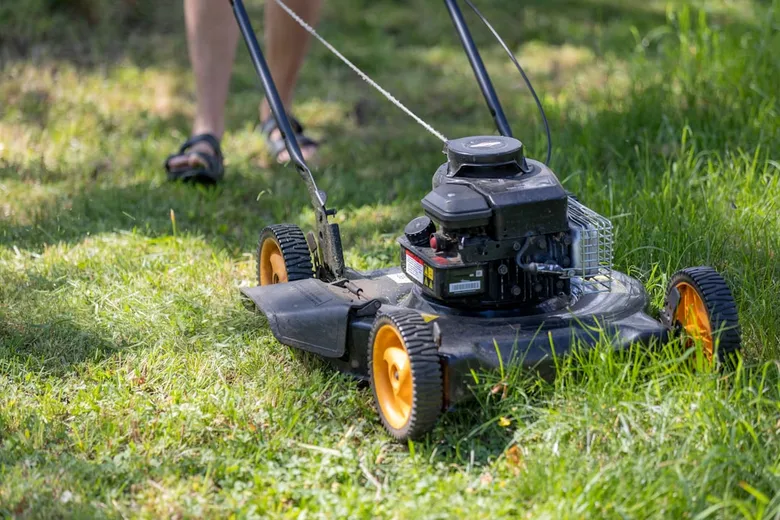
How to Oil Change a Lawn Mower
How to oil change a lawn mower is a simple task that keeps your engine running strong. Regular lawn mower maintenance prevents costly repairs. This guide walks you through every step. You will learn the right lawn mower oil type and how to drain lawn mower oil safely. We also cover small engine oil change best practices and when to replace the lawn mower oil filter. Follow along and extend your mower’s life.
Changing oil is vital for engine health. Old oil loses its ability to lubricate. It also collects dirt and debris. Clean oil reduces friction and heat. That means better performance and fewer breakdowns. Most manufacturers recommend an oil change every 50 hours of use or once per season. Knowing how to oil change a lawn mower saves you money and time.
Before you start, gather the right supplies. You need fresh oil, a drain pan, a funnel, and a wrench. Check your owner’s manual for the recommended lawn mower oil type. Common oils include SAE 30, 10W-30, and synthetic blends. Always use high-detergent oil designed for small engines. Proper small engine oil change practices ensure optimal lubriion.
Key Takeaways
- Main Point: Changing oil regularly keeps your mower running reliably.
- Actionable Advice: Warm the engine for a few minutes before draining to allow oil to flow out completely.
- Best Practice: Use the exact oil type recommended in your owner’s manual for your mower model.
- Expert Insight: A magnetic drain plug can catch metal shavings and extend engine life.
- Summary: How to oil change a lawn mower involves draining old oil, replacing the filter, and refilling with fresh oil.
What You Need to Change Your Lawn Mower Oil
Gather these items before you start. You will need the correct lawn mower oil type for your engine. Most walk-behind mowers use SAE 30 or 10W-30. Check your manual. Also get a drain pan, funnel, wrench, and a new lawn mower oil filter if your model has one. Wear gloves and safety glasses. Work in a well-ventilated area. A clean cloth is handy for wiping spills.
Oil Types Compared
Different oils suit different temperatures. SAE 30 works well in warm weather. 10W-30 flows better in cooler conditions. Synthetic oils offer superior protection. They also last longer. Always choose a high-quality oil labeled for small engines. Avoid using car oil; it lacks the right additives.
Step-by-Step: How to Oil Change a Lawn Mower
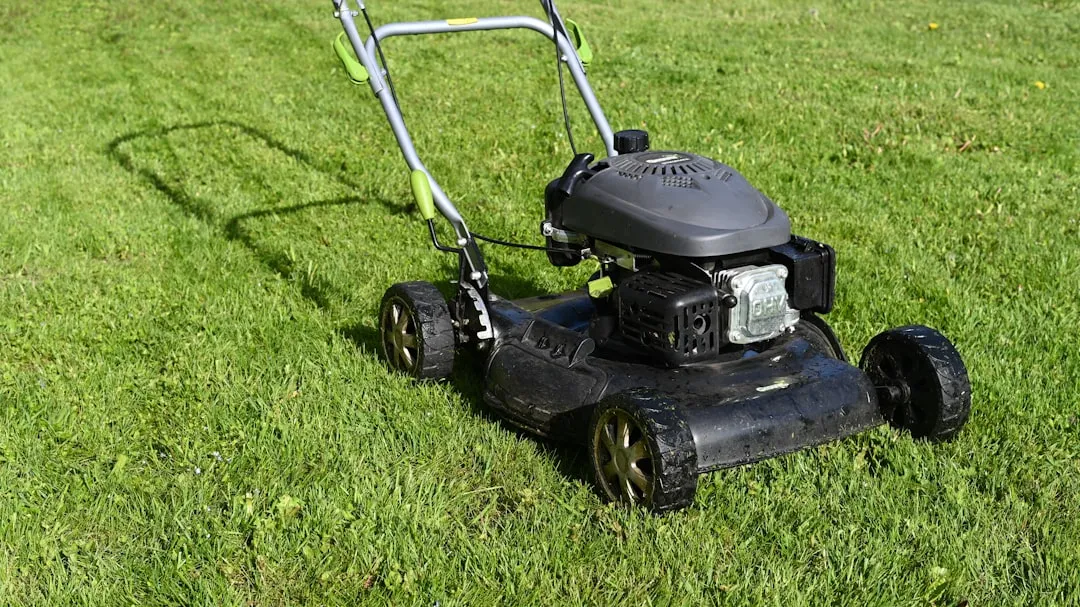
Follow these steps exactly. First, run the engine for a few minutes to warm the oil. Warm oil drains faster and removes more contaminants. Turn off the engine and disconnect the spark plug wire. This prevents accidental starts. Place the mower on a level surface. Put the drain pan under the oil drain plug. Remove the plug with a wrench. Let the oil drain completely. Tip the mower slightly if needed to get all the oil out. Replace the drain plug and tighten it securely.
Replace the Oil Filter (If Equipped)
Some mowers have an oil filter. Unscrew the old filter by hand. Apply a thin layer of new oil to the gasket of the new filter. Screw it on hand-tight. Do not overtighten. Now fill the engine with fresh oil using a funnel. Add small amounts and check the dipstick. Do not overfill. Replace the oil cap and dipstick. Reconnect the spark plug wire. Start the engine and let it run for a minute. Check for leaks. Turn off and recheck the oil level.
💡 Pro Tip
Warm the engine for 2-3 minutes before draining oil. This helps the oil flow out completely, removing more contaminants.
Common Mistakes to Avoid
Many people make errors during small engine oil change. One mistake is using the wrong lawn mower oil type. Another is overfilling the crankcase. Overfilling causes excessive pressure and leaks. Always check the dipstick. Never mix old and new oil. Always drain completely. Also, skipping the oil filter replacement reduces performance. Dispose of used oil properly. Many auto parts stores accept it. Do not pour oil down the drain.
- Using car oil instead of small engine oil
- Forgetting to replace the oil filter
- Not warming the engine before draining
- Overtightening the drain plug
- Ignoring the manufacturer’s schedule
⚠️ Important Note
Never overfill the crankcase. Check the dipstick after adding small amounts. Dispose of used oil at a recycling center.
How Often Should You Change Oil?
Follow the manufacturer’s advice. Most suggest every 50 hours of operation or once per season. If you mow frequently in dusty conditions, change more often. Lawn mower maintenance includes checking the oil level before each use. Dark or gritty oil means it is time for a change. A consistent schedule prevents engine wear. Write the date of each change on the air filter cover.
Signs Your Oil Needs Changing
Look for these signs: oil appears dark and thick, engine runs rough, or you smell burning oil. Also, if the lawn mower oil filter looks clogged, replace it. Regular oil changes also improve fuel efficiency. Keep a log of your changes. This helps you track hours of use.
Benefits of Regular Oil Changes
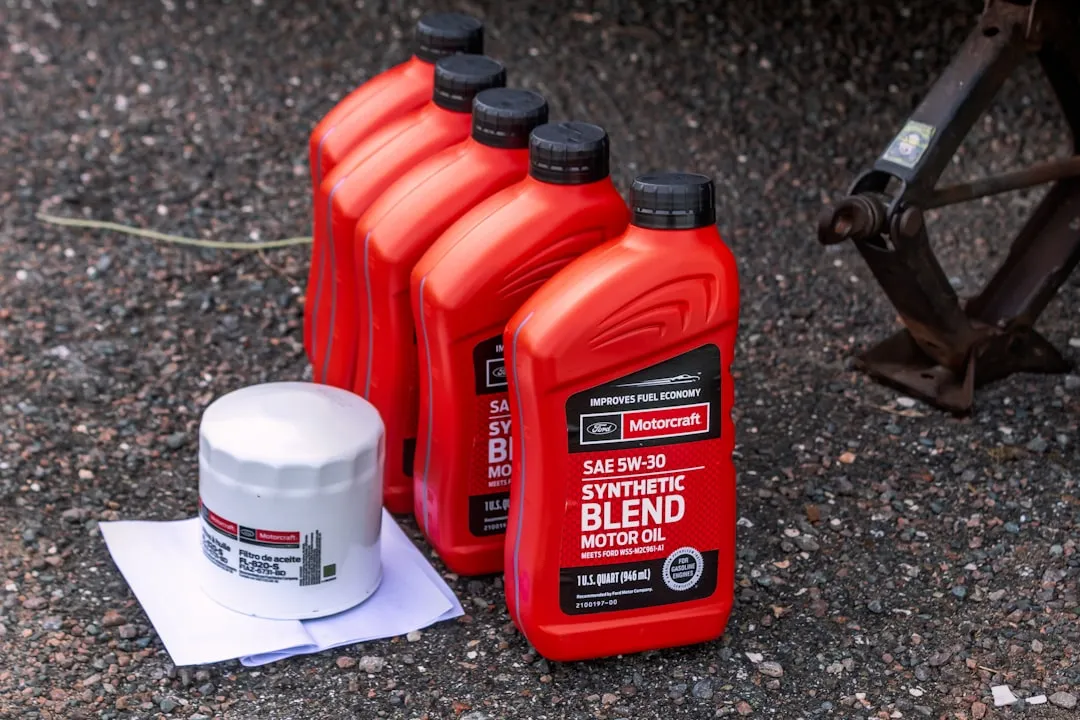
Changing oil extends engine life. It reduces wear on moving parts. Clean oil also cools the engine better. This prevents overheating. You also get easier starts and smoother operation. Regular lawn mower maintenance saves money on repairs. It also maintains resale value. Always use the correct lawn mower oil type for best results. If you are still deciding on a mower, check out our buying guide for home mowers. It helps you choose the right machine.
Another benefit is environmental. Properly drained and recycled oil does not pollute. You also reduce waste. A well-maintained mower runs more efficiently. It burns less fuel. That saves you money and lowers emissions. To get the most out of your mower, also consider how to choose the right mower for your yard size.
Frequently Asked Questions
Can I use car oil in my lawn mower?
No. Car oil lacks the additives small engines need. Use oil labeled for small engines. Check your manual for the correct lawn mower oil type.
How do I drain lawn mower oil without a mess?
Warm the engine first. Use a large drain pan. Tilt the mower toward the drain plug. Wipe any spills immediately.
Do all lawn mowers have an oil filter?
No. Many smaller mowers do not have a filter. Check your manual. If it has one, change it with every oil change.
What happens if I overfill the oil?
Overfilling causes foam, leaks, and engine damage. Always fill slowly and check the dipstick. Keep the level between the marks.
Conclusion
Learning how to oil change a lawn mower is easy. It takes little time and saves money. Regular oil changes keep your engine healthy. They prevent breakdowns and extend the mower’s life. Always use the recommended lawn mower oil type and change the filter if present. Follow the steps in this guide. You will enjoy a reliable mower season after season. Start your small engine oil change routine today. Your lawn will thank you.