How to Choose a Right Lawn Mower for You
How to choose a right lawn mower for you starts with understanding your lawn. The perfect mower depends on your yard size, terrain, and personal preferences. A wrong choice can make mowing a chore. A right one makes it quick and enjoyable. This lawn mower buying guide will help you find the best match.
First, measure your lawn area. A small yard under 1/4 acre needs a simple push mower. A medium yard up to 1/2 acre works with a self-propelled model. Large lawns over 1 acre often need a ride-on mower. Also check the slope. Steep hills need a self-propelled or four-wheel drive mower. Flat yards are easier for any type.
Next, think about power source. Gas mowers are powerful and run long. Electric mowers are quiet and easy to start. Battery models offer cordless freedom. Each has pros and cons. This guide covers all factors to make an informed choice.
Key Takeaways
- Main Recommendation: For most homeowners, a self-propelled gas mower offers the best balance of power and ease.
- Key Buying Factor: Match the mower type to your lawn size and terrain – this saves time and money.
- Who It is For: Homeowners with medium to large lawns benefit most from a gas self-propelled mower.
- Value Highlight: Look for variable speed control and a powerful engine for efficient mowing.
- Expert Verdict: Choose an electric mower for small, flat lawns and gas for larger or sloped yards.
Understanding Your Lawn Size and Terrain
The best lawn mower for yard size is the one that matches your grass area. For small lawns under 1/4 acre, a reel or corded electric mower works well. These are light and easy to store. For medium lawns between 1/4 and 1/2 acre, a self-propelled gas or battery mower is ideal. They reduce effort and save time. For large lawns over 1 acre, a ride-on mower or zero-turn mower is best. They cover ground quickly and are comfortable.
Terrain matters too. If your yard has slopes, a self-propelled mower with rear-wheel drive gives better traction. For flat yards, front-wheel drive is fine. Uneven ground needs a mower with large wheels and adjustable deck height. A lawn mower types comparison shows that push mowers are for flat, small areas. Ride-ons handle large, open spaces. Consider your specific needs.
Also, think about storage space. Push mowers fold and take little room. Ride-ons need garage space. If you have tight storage, a compact electric mower is a good choice. Measure your storage area before buying.
Here are quick tips for matching mower to lawn size:
- Under 1/4 acre: Reel mower or corded electric.
- 1/4 to 1/2 acre: Cordless battery or gas self-propelled.
- 1/2 to 1 acre: Gas self-propelled or entry-level ride-on.
- Over 1 acre: Ride-on mower or zero-turn.
Gas vs Electric Mowers: Which One is Right for You?
The gas vs electric mower debate is common. Gas mowers are powerful and handle thick grass. They run as long as you have fuel. But they need maintenance like oil changes and spark plug checks. They are also noisy and produce fumes. Electric mowers are quiet, start instantly, and are eco-friendly. Corded models have unlimited run time but limited range. Battery models offer freedom but run out of charge. For small yards, electric is convenient. For large or tough grass, gas is better.
Battery technology has improved. Modern lithium-ion batteries last 30 to 60 minutes. Some brands offer swappable batteries. If you have a medium lawn, a battery mower with a spare battery works well. Gas mowers still win for raw power. They mulch leaves better and handle wet grass. Consider your priorities.

Key differences to note:
- Power: Gas > Battery > Corded.
- Noise: Electric is quieter.
- Maintenance: Electric needs less.
- Cost: Corded is cheapest; gas is mid-range; battery is premium.
💡 Pro Tip
For a cleaner cut and healthier grass, alternate mowing patterns each time you mow. This prevents soil compaction and grass leaning.
Lawn Mower Types Comparison: From Push to Ride-On
A lawn mower types comparison helps you choose the right style. Push reel mowers are manual and eco-friendly. They give a clean cut but need flat, short grass. Corded electric mowers are light and cheap but limited by cord length. Battery mowers are cordless but have runtime limits. Gas push mowers are powerful and common. Self-propelled mowers move forward on their own – great for slopes. Ride-on mowers are for large lawns. Zero-turn mowers offer speed and maneuverability. Each type excels in specific conditions.
Consider your physical ability. Push mowers need effort. Self-propelled reduces strain. Ride-ons require sitting. If you have a large lawn, a ride-on saves time. If you enjoy exercise, a reel mower works. For most, a self-propelled gas mower is the sweet spot.
Here is a quick overview of mower types:
- Reel: Best for small, flat, neat yards.
- Electric Corded: Best for small yards near outlets.
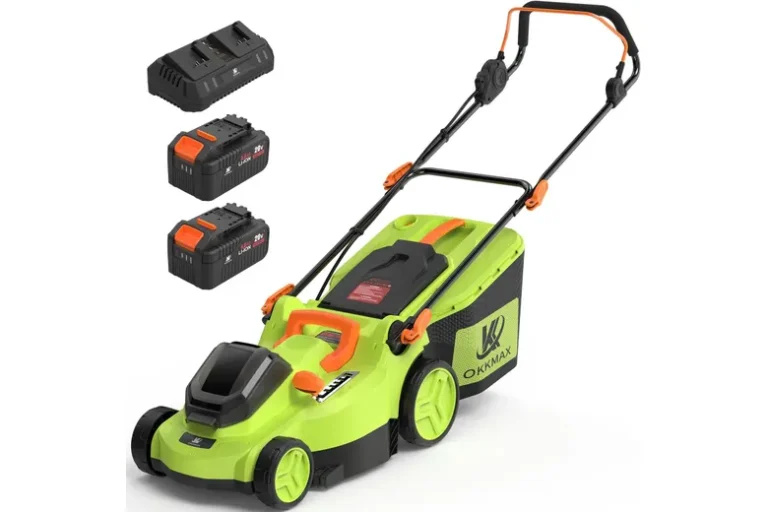
- Electric Battery: Best for medium yards, quiet operation.
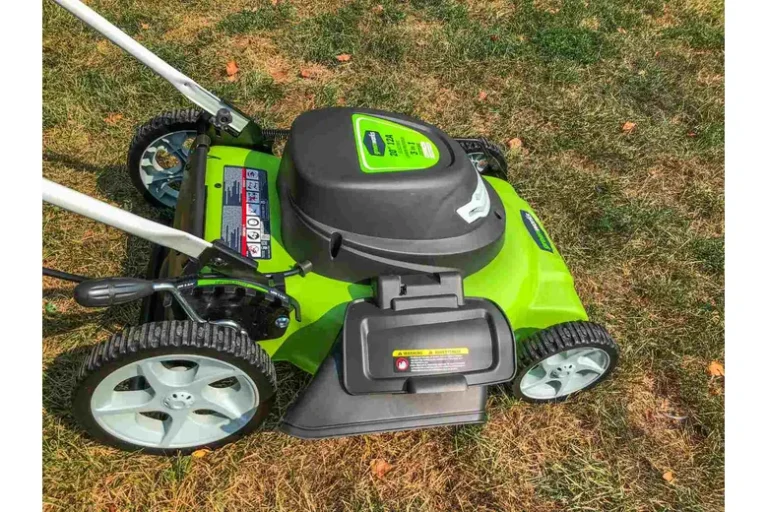
- Gas Push: Best for medium lawns, reliable power.
- Gas Self-Propelled: Best for medium to large, hilly yards.
- Ride-On: Best for large lawns over 1 acre.
- Zero-Turn: Best for large lawns with many obstacles.
⚠️ Important Note
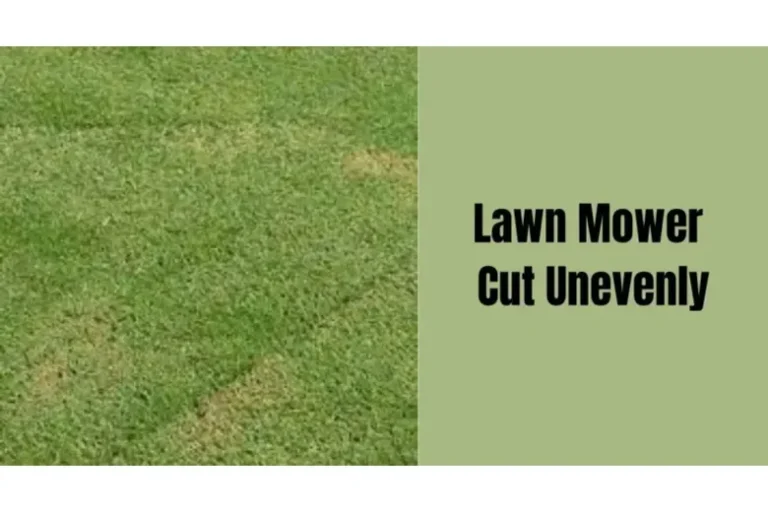
Never mow wet grass. It clogs the mower deck and causes uneven cuts. Wait until the grass is dry for best results.
Key Mower Features That Matter
When evaluating mower features to consider, start with deck width. A wider deck cuts faster but may be harder in tight spaces. For small lawns, 14-18 inches is fine. For large lawns, 20-22 inches is better. Next, cutting height adjustment. Look for easy, lever-operated adjustments. Some mowers offer single-lever adjustment for all wheels. Others need manual changes. Also check mulching capability. Mulching mowers chop grass fine and return nutrients to the soil. Bagging collects clippings. Side discharge is for tall grass. Many mowers offer all three options.
Engine power is key for gas mowers. More cubic centimeters (cc) means more power. For most lawns, 140-190 cc is enough. For thick or wet grass, choose 190 cc or more. For electric mowers, look at voltage and amp hours. Higher voltage (e.g., 60V) gives more torque. Higher amp hours (e.g., 6 Ah) give longer run time. For battery mowers, consider charge time. Fast chargers can recharge in 30 minutes. Also check if the battery is interchangeable with other tools from the same brand.
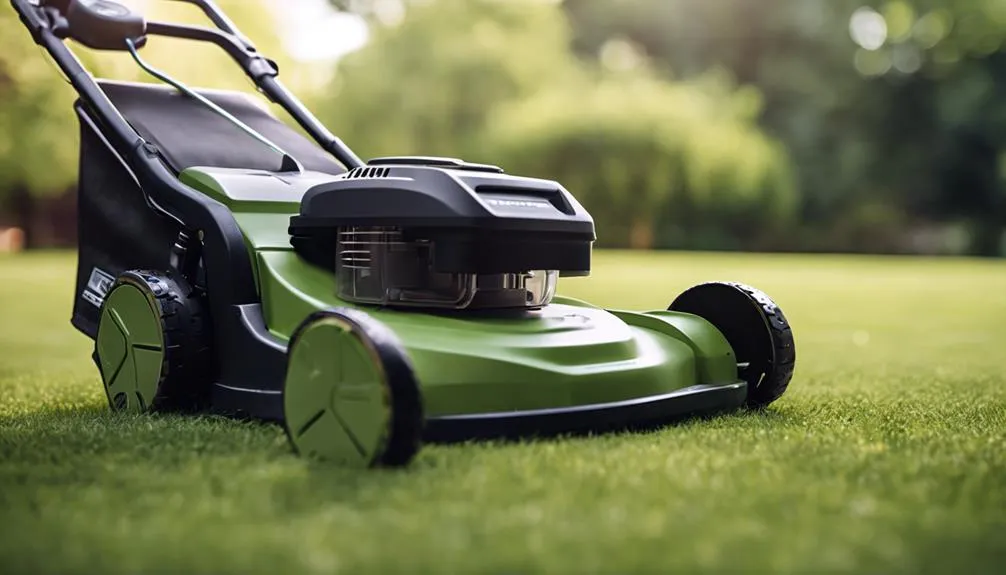
Image source: Soul Sanctuaries
Additional features include: self-propelled drive system (rear-wheel, front-wheel, or all-wheel drive), variable speed control, electric start, foldable handle for storage, and grass bag capacity. For rough terrain, consider a mower with larger rear wheels (8-10 inches) for better traction. Also, check warranty length. Good brands offer 3-5 years for parts and labor. Read customer reviews for real-world reliability.
Budget and Value Considerations
Price ranges vary widely. Reel mowers cost $50-$150. Corded electric mowers cost $100-$200. Battery mowers cost $200-$600. Gas push mowers cost $150-$500. Self-propelled gas mowers cost $300-$800. Ride-on mowers cost $1,000-$4,000. Zero-turn mowers cost $2,000-$5,000+. Your budget should align with your lawn size and desired features. Do not overspend on features you do not need. A simple push mower is fine for a small flat lawn. A high-end self-propelled may be wasted on a tiny yard.
Consider long-term costs too. Gas mowers need fuel and oil. Electric mowers need electricity and occasional battery replacement (every 3-5 years). Batteries are expensive to replace. Factor that into your choice. Also, maintenance costs: gas mowers need annual tune-ups. Electric mowers need blade sharpening and cleaning. Self-propelled systems may need belt replacement. Buy from reputable brands with good parts availability. This saves headaches later.
Some tips for getting value:
- Set a realistic budget based on lawn size.
- Prioritize features that save time (self-propelled, wide deck).
- Read reviews for long-term durability.
- Consider buying last year’s model for discounts.
- Check for seasonal sales in spring and fall.
Mower Safety and Maintenance Tips
Safe mowing practices prevent accidents. Always wear sturdy shoes, long pants, and eye protection. Clear the lawn of rocks, sticks, and toys before mowing. Never mow in reverse unless necessary. Keep children and pets away. For gas mowers, refuel when the engine is cool. Store fuel in approved containers. For electric mowers, use a GFCI outlet for corded models. Do not mow in the rain or wet grass.
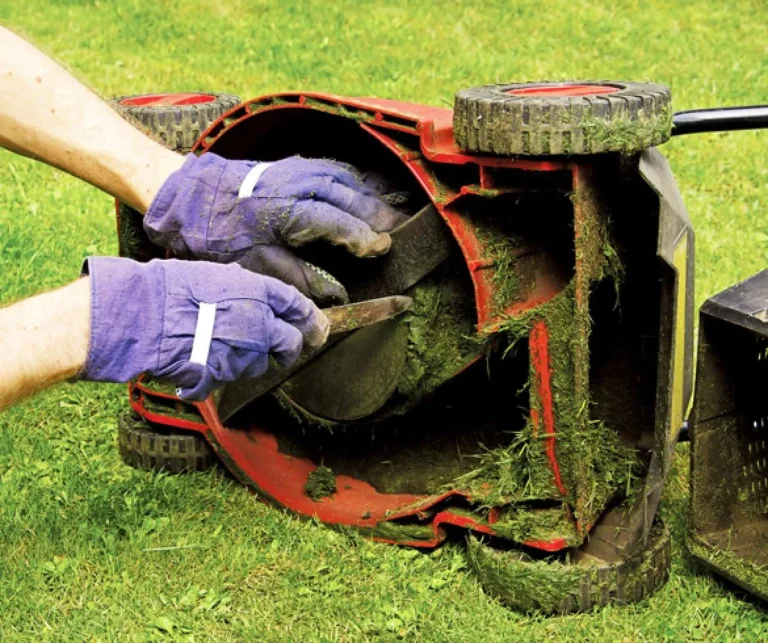
Maintenance extends mower life. For gas mowers, change oil yearly, replace spark plugs every two years, and clean air filters regularly. For electric mowers, keep vents clear, lubricate wheels, and tighten bolts. Sharpen blades at least once a season. A dull blade tears grass, leading to brown tips. You can sharpen yourself or take to a shop. Also, check the belt on self-propelled mowers. Replace if worn.

Store mowers properly. For gas mowers, drain fuel or add stabilizer before winter storage. For electric, remove batteries and store indoors. Keep blades elevated off the ground. Clean the deck after each use to prevent rust. Following these tips ensures your mower lasts many years.
Frequently Asked Questions
What size lawn mower do I need for 1/2 acre?
For a 1/2 acre lawn, a self-propelled gas mower with a 20-22 inch deck is ideal. It balances speed and maneuverability.
Is a gas or electric mower better for the environment?
Electric mowers are better for the environment because they produce zero emissions. However, consider the electricity source and battery disposal.
How often should I sharpen my mower blade?
Sharpen your mower blade at least once per season. If you mow over rocks or roots, sharpen more often. A sharp blade gives a clean cut.
Can I use a battery mower on a steep hill?
Yes, many battery mowers have self-propelled drive and good traction. However, battery runtime may be shorter on slopes due to higher power draw. Choose a model with a high voltage battery.
Conclusion
Choosing the right mower depends on your lawn size, terrain, and preferences. This lawn mower buying guide covered key factors like type, power source, and features. For small lawns, electric push or reel mowers work best. For medium lawns, self-propelled gas or battery mowers offer convenience. For large lawns, ride-on or zero-turn mowers save time. Always prioritize safety and maintenance to extend your mower’s life.
Remember to measure your lawn, check the slope, and set a budget. Test drive mowers if possible to feel the weight and controls. With the right mower, mowing becomes an easy, satisfying task. Happy mowing!