What Causes Lawn Mowing Problems and Solutions
If you own a lawn, you understand the importance of regular mowing. However, many homeowners face frustrating lawn mowing problems and solutions that turn a simple chore into a headache. From uneven cuts to scalped patches, these issues can ruin the look of your yard. This comprehensive guide explores the root causes of common mowing problems and provides actionable solutions to achieve a lush, healthy lawn. Whether you’re a beginner or a seasoned gardener, you’ll learn how to troubleshoot and prevent these issues for good.
Mowing seems straightforward, but small mistakes can lead to big problems. Grass scalping causes significant damage by cutting too low. Uneven lawn mowing creates a bumpy appearance. Mowing wet grass clogs your mower and leaves clumps. Dull mower blade solutions are often overlooked. And proper mowing height is crucial for grass health. In this article, we delve into each issue with practical tips and expert advice.
By the end, you’ll know exactly how to identify and fix these problems. You’ll also learn preventive measures to keep your lawn looking its best. Let’s start with the key takeaways.
Key Takeaways
- Main Point: Most mowing problems stem from incorrect technique, dull blades, or improper timing.
- Actionable Advice: Always mow with sharp blades and at the right height for your grass type.
- Best Choice/Practice: Follow the one-third rule: never cut more than one-third of the grass blade length at a time.
- Expert Insight: Scalping is often caused by mowing too low or over uneven terrain—raise your deck height.
- Summary: Fixing mowing problems requires sharp blades, correct height, dry grass, and consistent patterns.
Common Lawn Mowing Problems and Their Root Causes
Understanding why mowing problems occur is the first step to solving them. Many issues trace back to equipment condition, technique, or environmental factors. Let’s explore the most frequent problems.
Grass Scalping: Causes and Prevention
Grass scalping causes include mowing too low, hitting bumps, or using a mower deck that is uneven. When you cut grass too short, you remove the leaf surface needed for photosynthesis. This weakens the grass and invites weeds. To prevent scalping, measure your mowing height. For cool-season grasses like fescue, keep it at 3-4 inches. For warm-season grasses like Bermuda, 1-2 inches is better. Always adjust your deck on a flat surface.
Another cause of scalping is mowing over dips or mounds. If your lawn has uneven terrain, your mower deck may dip into low spots. Consider leveling the ground or using a mower with a floating deck. Also, avoid mowing when the grass is wet, as it bends and gets cut unevenly.
Uneven Lawn Mowing: Why It Happens
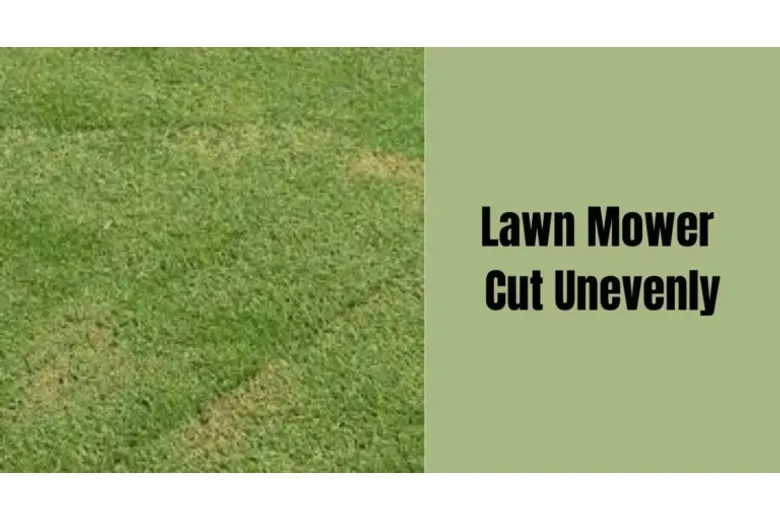
Uneven lawn mowing results from dull blades, inconsistent speed, or a misaligned deck. Dull blades tear grass instead of cutting it cleanly, leaving ragged tips that turn brown. A common solution is to sharpen blades after every 25 hours of use. Also, check your mower’s tire pressure—uneven tires cause the deck to tilt. Mow at a steady pace, and overlap each pass by a few inches.
If your lawn still looks uneven, try changing your mowing pattern. Mow in opposite directions each time to prevent grass from leaning. This also reduces soil compaction.
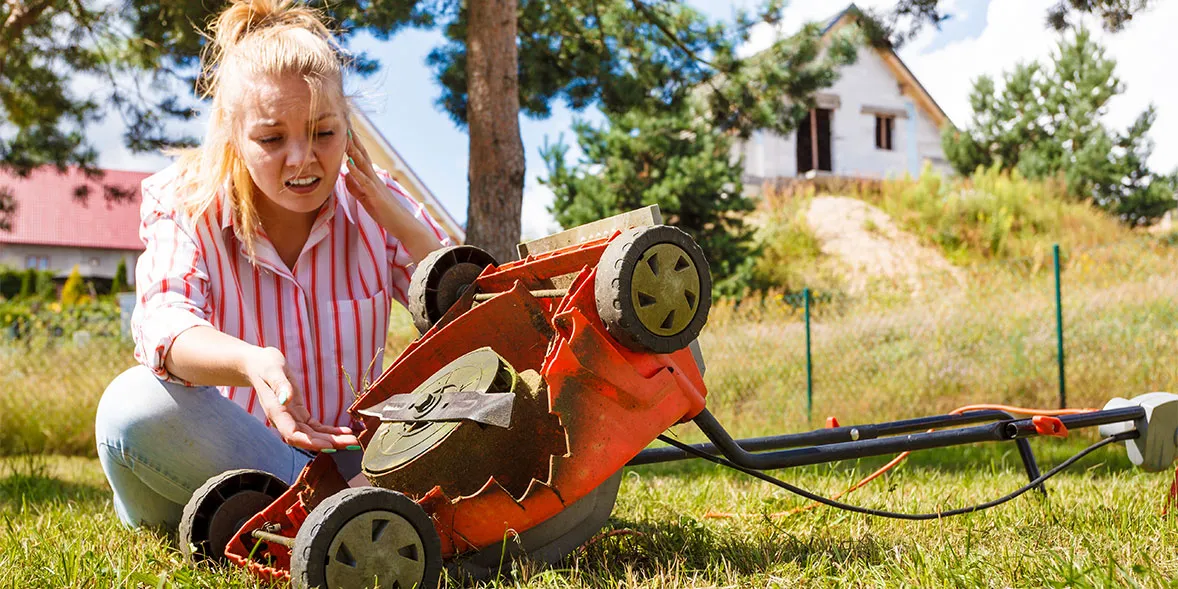
Image source: Product
For more tips on maintaining a green lawn after mowing, check out our guide on How to Keep Your Lawn Green After Mowing.
Mowing Wet Grass and Its Consequences
Mowing wet grass is a common mistake. Mowing wet grass clogs the mower deck, creates clumps, and promotes disease. Wet grass bends under the blade, leading to an uneven cut. It also sticks to the mower, reducing efficiency. The best practice is to wait until the grass is dry. If you must mow when dew is present, use a mower with a high-lift blade and mow at a slower speed.
After mowing wet grass, clumps can smother your lawn. Rake them up or mow again to spread them. To prevent clumping, keep your blade sharp and mow frequently. For more on equipment, read our How to Buy a Lawn Mower for Home – Buying Guide.
Dull Mower Blade Solutions: Sharpening and Replacement
A dull blade is a major culprit behind poor mowing. Dull mower blade solutions involve regular sharpening or replacement. Signs of a dull blade include torn grass, browning tips, and increased mowing time. Sharpen your blade with a file or angle grinder every 20-25 hours. Replace it if it’s bent or chipped. Always balance the blade after sharpening to avoid vibration.
Proper sharpening technique: remove the blade, secure it in a vise, and file at a 30-degree angle. Reinstall with the sharp edge facing the mower deck. For electric mowers, check the manual for blade removal instructions. A sharp blade cuts cleanly, promoting faster healing and a greener lawn.
💡 Pro Tip
To avoid dull blade issues, sharpen your mower blade after every 25 hours of use. A sharp blade cuts cleanly, reducing stress on the grass and promoting faster recovery.
Proper Mowing Height: The Foundation of Lawn Health
Proper mowing height varies by grass type. Cool-season grasses thrive at 2.5-4 inches, while warm-season grasses prefer 1-3 inches. Cutting too low stresses the grass and encourages weeds. Use the one-third rule: never remove more than one-third of the leaf blade in a single mowing. This ensures enough leaf area for photosynthesis. Adjust your mower deck regularly, especially during seasonal transitions. In summer, raise the height to shade the soil and conserve moisture. In cooler months, lower it slightly.
To find the ideal height for your grass, measure after mowing. Use a ruler from the soil to the leaf tip. Keep a record and adjust as needed. Remember, grass grows faster in spring and fall, so mow more frequently.
Image source: Theturffarm
Other Common Mowing Issues and Fixes
Mower Leaving Stripes or Ruts
Stripes are often from a bent blade or uneven deck. Check blade balance and deck level. Ruts come from mowing the same pattern repeatedly. Vary your direction each time. Also, avoid mowing when the soil is soft.
Grass Clumping
Clumps occur from cutting too much at once or wet grass. Follow the one-third rule and mow when dry. Use a side-discharge mower for better spreading.
Brown Tips After Mowing
Brown tips usually indicate dull blades or scalping. Sharpen your blade and raise the height. Water deeply after mowing to help recovery.
⚠️ Important Note
Never mow when the grass is wet, as it clogs the mower, creates clumps, and can spread diseases. Always wait until the grass is dry to ensure a clean cut and healthy lawn.
Table: Comparison of Mowing Methods
Here is a quick comparison of different mowing approaches and their benefits.
| Feature/Method | Details & Benefit |
|---|---|
| Mulching | Returns clippings to lawn; adds nutrients and reduces waste. |
| Bagging | Removes clippings; prevents thatch buildup but removes nutrients. |
| Side-Discharge | Spreads clippings evenly; good for tall grass. |
| Reel Mowing | Scissor-like cut; ideal for short, fine lawns. |
| Rotary Mowing | Common and versatile; suitable for most lawns. |
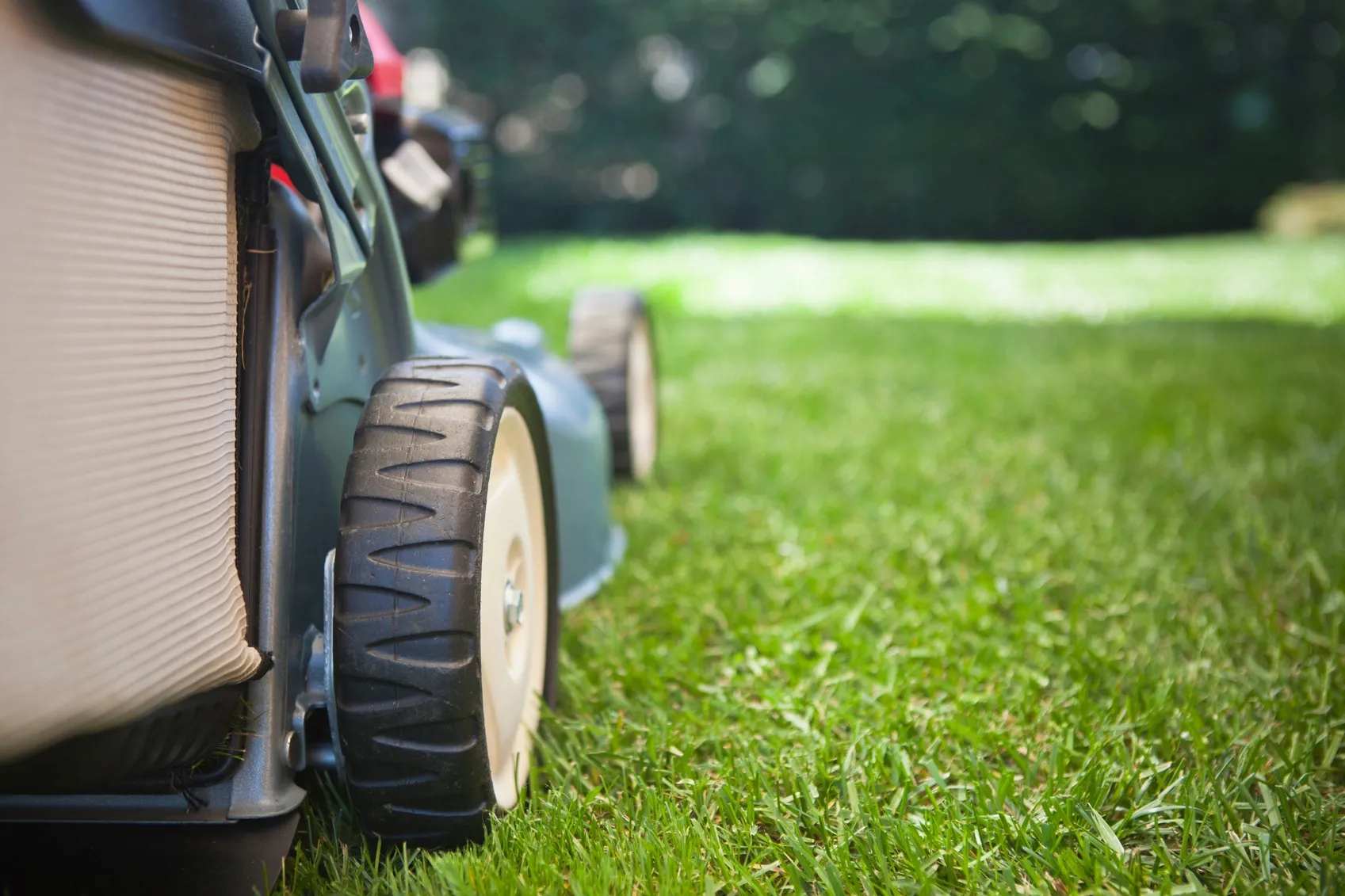
Image source: Nutrilawn
Frequently Asked Questions
How often should I sharpen my mower blade?
Sharpen your blade every 20-25 hours of mowing, or at least once per season. Dull blades tear grass, causing brown tips and disease.
Can mowing wet grass damage my lawn?
Yes. Mowing wet grass clogs the mower, creates clumps, and spreads fungal diseases. Always mow when grass is dry.
What is the best height to mow my lawn?
It depends on grass type. Cool-season grasses: 2.5-4 inches. Warm-season: 1-3 inches. Use the one-third rule to avoid scalping.
Why does my lawn look uneven after mowing?
Possible causes: dull blade, uneven tire pressure, misaligned deck, or mowing too fast. Check blade sharpness and deck leveling.
Conclusion
Mowing problems are common but fixable. By understanding the causes—such as grass scalping causes, uneven lawn mowing, and dull mower blade solutions—you can take corrective action. Always use sharp blades, mow at the right height, and avoid wet grass. Follow the one-third rule and vary your patterns. With these tips, your lawn will look healthy and vibrant. Remember, consistent care prevents most issues. Happy mowing!