How to Buy a Lawn Mower for Home – Buying Guide
Buying your first lawn mower for home can feel overwhelming with so many options. You need a machine that fits your yard size, terrain, and budget. This guide will help you choose the perfect mower without confusion. We cover everything from power types to key features. By the end, you’ll know exactly what to look for.
Your lawn is an extension of your home. A well-maintained yard boosts curb appeal and provides a space for family fun. The right mower makes this task easy and even enjoyable. Whether you have a small patch or a sprawling lawn, there’s a mower for you. Let’s start with the basics.
First, think about your lawn mower buying guide goals. Do you want a quick, light mower? Or one that can handle tough grass? Consider your time and physical ability. Modern mowers offer features like self-propulsion and electric start. These make mowing less of a chore. The key is matching the mower to your specific needs.
Key Takeaways
- Main Recommendation: For most homeowners, a battery-powered self-propelled mower offers the best mix of power and convenience.
- Key Buying Factor: Yard size is the most important factor – it determines the mower type and power source you need.
- Who It is For: Homeowners with lawns up to 1/2 acre will benefit most from electric mowers; larger yards may need gas.
- Value Highlight: Self-propelled models reduce physical effort significantly, making mowing faster and less tiring.
- Expert Verdict: Always test drive if possible and prioritize features like cutting deck size and ease of maintenance.
Understanding Your Yard’s Needs
Before shopping, measure your lawn. This is crucial for finding the best lawn mower for small yard or a large one. A small yard (under 1/4 acre) works with a push reel or electric mower. Medium yards (1/4 to 1/2 acre) benefit from a self-propelled electric or gas mower. Large lawns (over 1/2 acre) often require a riding mower or zero-turn.
Also note the terrain. Is it flat or hilly? Slopes demand a self-propelled mower for safety and ease. Rocky or uneven ground may need a mower with larger wheels. Obstacles like trees and flower beds require a mower with good maneuverability. These factors directly influence your choice.
Gas vs Electric Mowers
The gas vs electric lawn mower debate is central to any purchase. Gas mowers are powerful and run as long as you have fuel. They are ideal for large, thick lawns. But they require more maintenance: oil changes, air filters, and spark plugs. They are also louder and emit fumes.
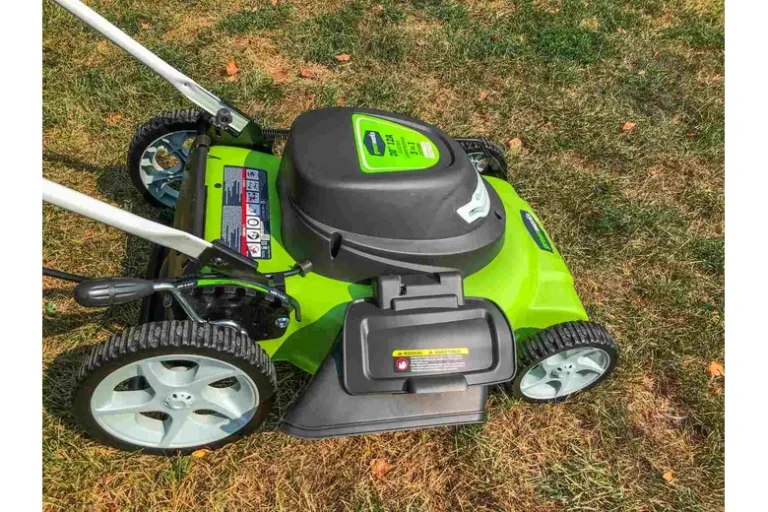
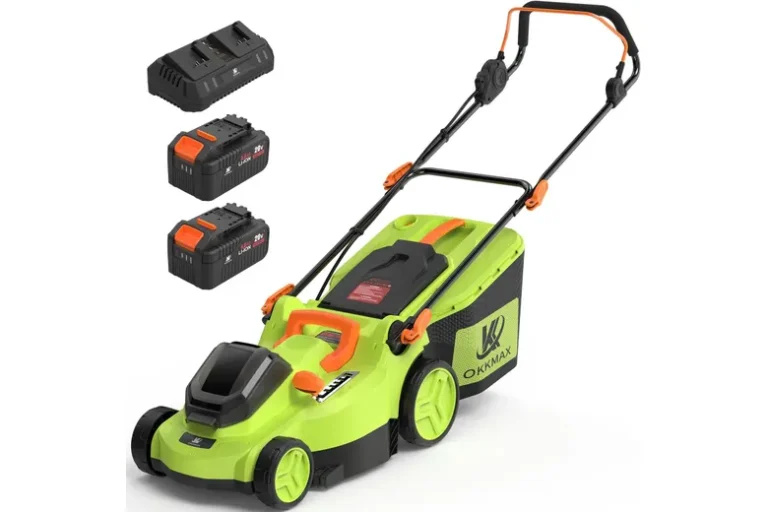
Electric mowers come in corded and battery varieties. Corded mowers offer unlimited runtime but are limited by extension cord length. Battery mowers are quiet, clean, and easy to start. Modern lithium-ion batteries last 30-60 minutes, enough for most yards. For yards under 1/2 acre, electric is often the best choice. Battery technology improves each year, making them a strong competitor to gas.
💡 Pro Tip
Always measure your lawn’s slope and obstacles before choosing between a push and self-propelled mower. Steep slopes require more torque and better traction.
Key Features to Consider
Lawn mower cutting deck size directly affects mowing speed. A wider deck covers more ground per pass. For small yards, a 16-20 inch deck works. For medium, 20-22 inches. Large yards may need 46+ inches on a riding mower. But deck size must match your yard’s obstacles. Too wide and you can’t navigate tight spaces.
Another key feature is height adjustment. Easy-to-use levers let you choose the perfect grass length. Some mowers have a single lever for all wheels. Others require individual adjustments. Self-propelled mowers have a drive system that moves the mower forward. You control the speed. This reduces fatigue, especially on slopes. For uneven lawns, a self-propelled lawn mower is a game-changer.
⚠️ Important Note
Never attempt to mow wet grass; it clogs the deck and can damage the engine. Wait until the grass is dry for a clean cut and to avoid slipping.

Self-Propelled vs Push Mowers
Deciding between a push mower and a self-propelled lawn mower depends on your yard and physical fitness. Push mowers require you to provide all the momentum. They are cheaper and lighter. They work well on flat, small lawns. But on hills or large areas, they tire you quickly.
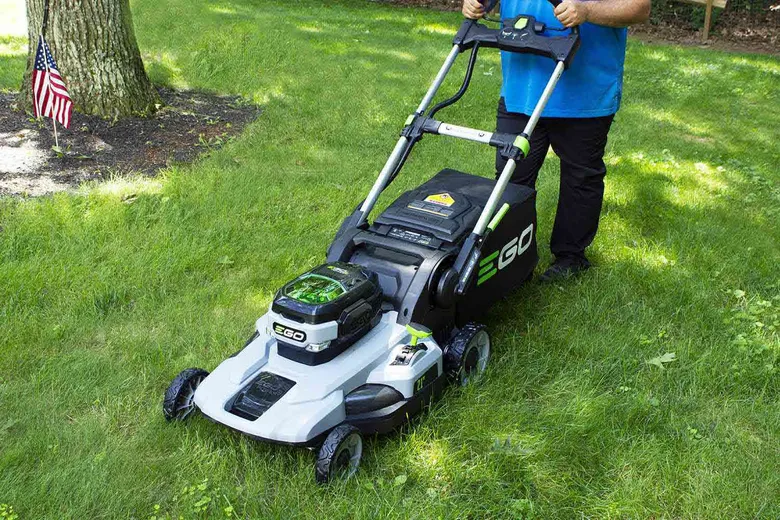
Self-propelled mowers have a transmission that drives the wheels. You simply guide the mower. This is a huge help if you have a sloped yard or limited strength. Most self-propelled mowers offer variable speed control. Some have front-wheel, rear-wheel, or all-wheel drive. Rear-wheel drive works best on slopes. Front-wheel is good for flat lawns. Self-propelled mowers save time and energy, making mowing less of a workout.
Lawn Mower Maintenance Tips
Proper maintenance extends your mower’s life. For gas mowers, change oil annually. Replace the air filter and spark plug every season. Sharpen the blade at least once a year. Electric mowers need less maintenance: just keep the battery charged and store in a dry place. Clean the deck after each use to prevent grass buildup.
- Always use fresh fuel for gas mowers to avoid stale gas problems.
- Check the blade balance; an unbalanced blade causes vibration.
- Inspect the wheels and drive cable for wear on self-propelled models.
Regular care keeps your mower starting easily and cutting cleanly. Refer to your owner’s manual for specific intervals. For a more detailed guide on matching mower type to your lawn, check out our article on How to Choose a Right Lawn Mower for You.
Budget Considerations
Mower prices vary widely. Push reel mowers start under $100. Battery electric mowers range from $200 to $500. Gas push mowers are $150 to $400. Self-propelled models run $300 to $800. Riding mowers start around $1,500. Set a budget based on your yard size and desired features.
- For tight budgets, a manual reel mower works for small, flat lawns.
- Mid-range: a battery self-propelled mower offers great value.
- Invest in a gas mower if you have a large or tough lawn.
Remember that maintenance costs add up. Gas mowers need fuel and oil. Electric mowers require battery replacement after a few years. Factor these into your total cost of ownership.

Frequently Asked Questions
What size mower do I need for a 1/4 acre yard?
A 20-inch deck push or self-propelled mower works well. Electric or gas both suit this size.
Is a gas or electric mower better for the environment?
Electric mowers produce zero emissions at the point of use. Gas mowers emit pollutants, but newer models are cleaner. Battery mowers are the greenest choice.
Do I need a self-propelled mower on flat land?
Not strictly, but self-propelled reduces fatigue even on flat lawns, especially if the lawn is large or you push uphill at the end.
How often should I sharpen the mower blade?
Sharpen the blade at least once per mowing season. If you hit rocks or roots, sharpen more often. A dull blade tears grass, causing brown tips.
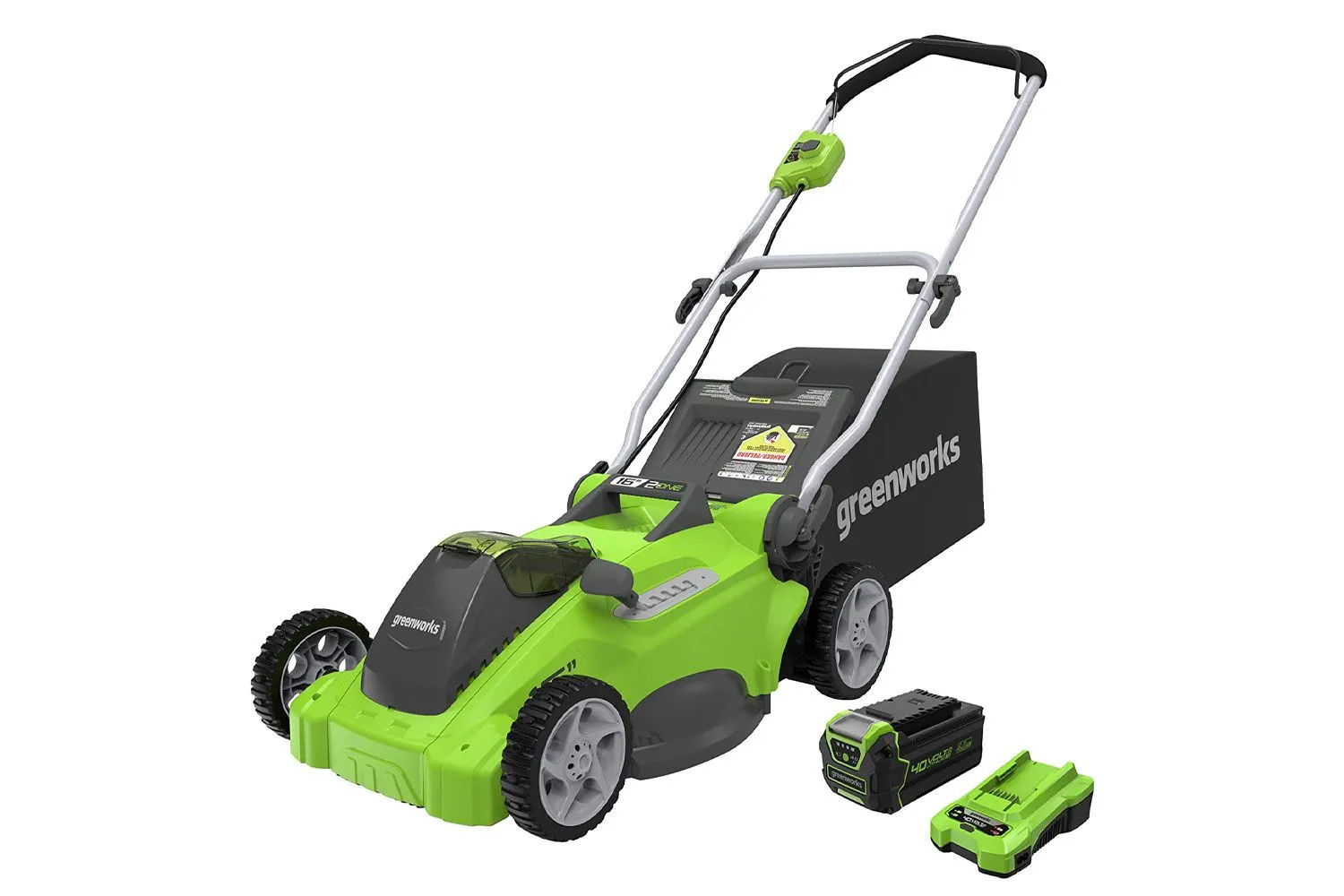
Image source: Com
Conclusion
Choosing the right lawn mower for home starts with understanding your yard. Measure your lawn, consider the terrain, and decide what features matter most. Gas mowers offer raw power for big jobs. Electric mowers are quiet and clean. Self-propelled models make mowing effortless.
We recommend a battery-powered self-propelled mower for most homeowners. It balances power, convenience, and eco-friendliness. Always check the lawn mower cutting deck size and ease of height adjustment. Test the weight and maneuverability if possible. Follow our lawn mower buying guide and you’ll find a mower that makes lawn care a pleasure, not a chore.