What is the Best Lawn Mowing Method
Finding the best lawn mowing method is key to a healthy, green lawn. Many people think mowing is simple, but the right technique makes a big difference. This guide explains top lawn mowing techniques, proper grass cutting height, mowing frequency, and the debate between mulching vs bagging. Follow these lawn care tips for a lawn that thrives.
The first step is knowing your grass type. Cool-season grasses need different care than warm-season ones. Also, the season affects how you mow. In spring, grass grows fast. In summer, it slows down. Adjust your method accordingly.
A good mowing routine saves time and money. It also prevents pests and diseases. Let’s dive into the details of the best method.
Key Takeaways
- Main Point: The best method combines proper height, frequency, and mowing pattern.
- Actionable Advice: Always follow the one-third rule: never cut more than one-third of the grass blade.
- Best Choice/Practice: Mulching is best for regular mowing; bagging for long grass or disease control.
- Expert Insight: Sharpen blades every 25 hours for a clean cut that heals quickly.
- Summary: Adapt your method to season, grass type, and weather for optimal results.
Choosing the Right Mowing Technique
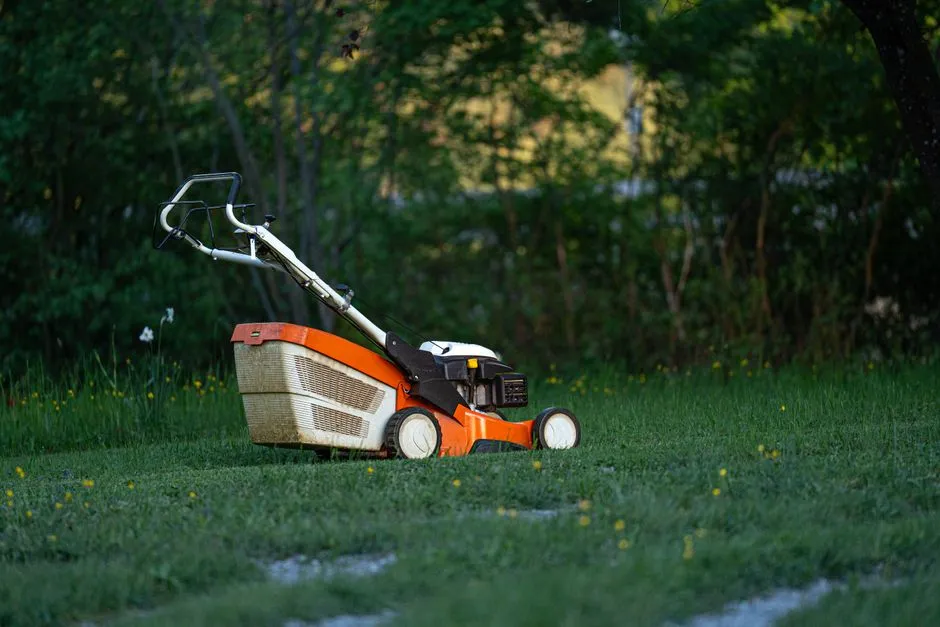
There are three main lawn mowing techniques: mulching, bagging, and side discharge. Each has its place. Mulching returns finely chopped clippings to the lawn. This feeds the soil and reduces fertilizer needs. Bagging removes clippings for a clean look. It is best when grass is wet or long. Side discharge spreads clippings across the lawn. It works fast but can leave piles.
For most lawns, alternating between mulching and bagging works well. Use mulching in spring and fall when growth is steady. Use bagging in summer to reduce stress. Always use a sharp blade. A dull blade tears grass, causing brown tips.
Setting Proper Grass Cutting Height
Proper grass cutting height is crucial. Taller grass has deeper roots. It shades the soil, keeping it cool and moist. For cool-season grasses like fescue, keep height at 3–4 inches. For warm-season like Bermuda, keep at 1–2 inches. Adjust height based on season. In summer, raise the deck to reduce stress. In spring, lower it gradually.
Never cut more than one-third of the blade at once. If grass is tall, mow high, then mow again a few days later. This prevents shock. A simple way to remember is the “one-third rule.” Measure your grass before mowing. Set the blade to cut only the top third. For example, if grass is 4 inches tall, cut to about 2.5 inches. This keeps the lawn healthy.
💡 Pro Tip
Always mow when grass is dry to prevent clumping and disease. Sharpen blades every 25 hours of use for a clean cut that heals faster.
Establishing a Mowing Frequency
Mowing frequency depends on growth rate. In peak season, mow every 5–7 days. In slow growth, every 10–14 days. Never let grass get too tall. If you wait too long, you break the one-third rule. That weakens the lawn. A good schedule keeps grass at a consistent height.
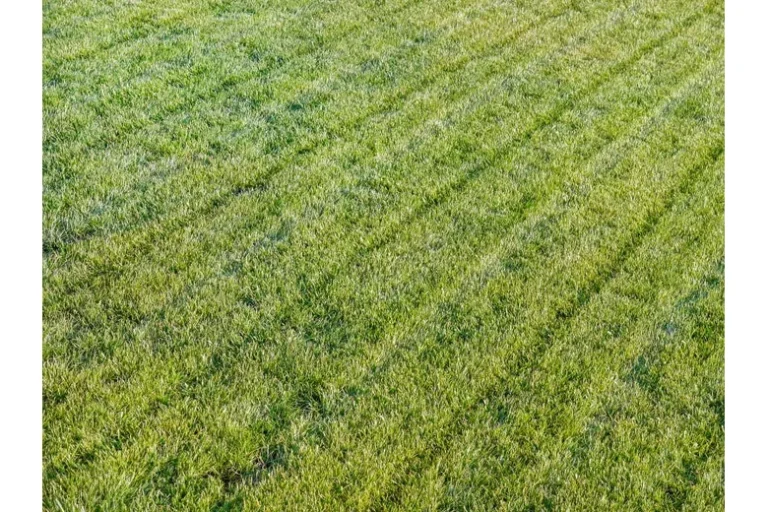
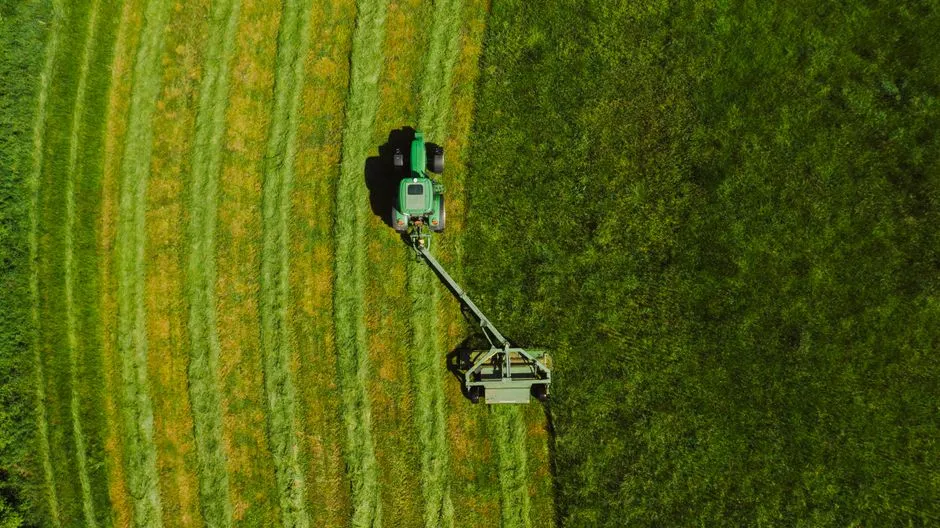
Check growth by eye. If grass looks uneven or has flower heads, it is time to mow. Use a sharp blade for clean cuts. Dull blades make grass ragged and prone to disease. Also, change mowing patterns each time. Mow north-south one week, east-west the next. This prevents ruts and upright growth.
⚠️ Important Note
Never cut more than one-third of the grass blade length at a time. Cutting too short stresses grass and invites weeds and disease.
Mulching vs Bagging: Which Is Best?
The debate of mulching vs bagging often comes down to personal preference. Mulching returns nutrients. It saves time on disposal. It also reduces the need for fertilizer by up to 30%. However, if grass is wet or diseased, bagging is better. Bagging removes infected clippings and prevents spread.
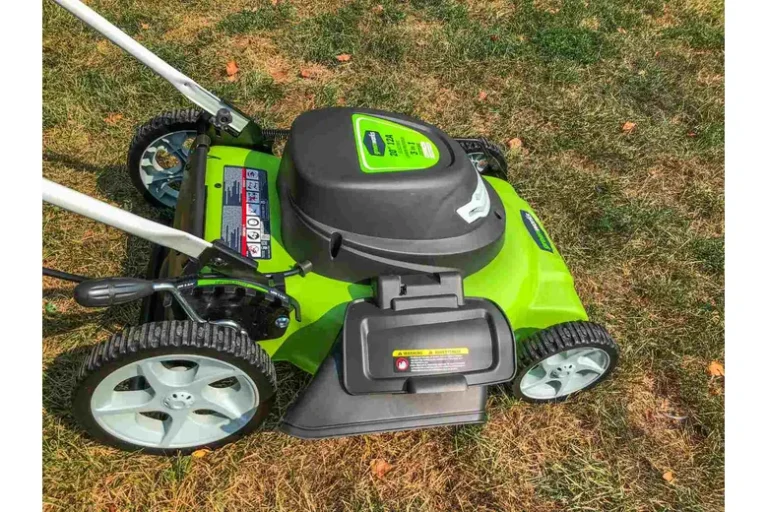
For a healthy lawn, use mulching most of the time. Use bagging for the first and last mow of the season. Also, if you have leaves on the lawn, mulch them. This adds organic matter. But if leaves are thick, bag them to prevent smothering. Check your mower’s mulching kit. Not all mowers mulch well. Some need a special plug or blade.
Essential Lawn Care Tips for Best Results
Here are key lawn care tips to pair with your mowing method. Water deeply but infrequently. This encourages deep roots. Mow in the morning after dew dries. Wet clippings clump and can cause disease. Keep blades sharp. A sharp blade cuts clean, which heals faster. Also, clean the mower deck after each use. Grass buildup reduces efficiency.
- Change patterns each mow to avoid ruts.
- Leave clippings on the lawn when mulching, unless they are thick.
- Trim edges with a string trimmer for a tidy look.
- Aerate once a year to reduce compaction.
- Overseed in fall to fill thin spots.
For more details on keeping your lawn green, check out our guide on How to Keep Your Lawn Green After Mowing. And if you need a new mower, read How to Buy a Lawn Mower for Home – Buying Guide.
Frequently Asked Questions
How often should I mow my lawn?
Mow every 5–7 days during active growth. In slower seasons, every 10–14 days. Always follow the one-third rule.
Is mulching better than bagging?
Mulching is better for feeding the lawn. Bagging is best for wet grass, disease, or when grass is very long.
What is the best grass cutting height?
For cool-season grass, 3–4 inches. For warm-season, 1–2 inches. Adjust for season: higher in summer, lower in spring and fall.
Should I mow when the grass is wet?
No. Wet grass clumps and can clog the mower. It also spreads disease. Wait until the grass is dry.
Conclusion
The best lawn mowing method combines the right technique, height, and frequency. Mulching is ideal for regular mowing. Bagging is for special cases. Always mow with sharp blades and never cut too short. Adapt to your grass type and season.
A healthy lawn starts with smart mowing. Apply these lawn care tips consistently. You will see greener, thicker grass. Enjoy your outdoor space with confidence.