What Makes Grass Grow Better After Mowing
Understanding what makes grass grow better after mowing is key to a lush, healthy lawn. Proper mowing isn’t just about cutting—it’s a strategic act that influences grass recovery after mowing, turf health, and overall grass growth rate. By adjusting your mowing habits, you can transform your yard into a vibrant green space.
Many homeowners think mowing is simple maintenance, but it actually sends a strong signal to your grass. The cut triggers growth responses, and how you handle that cut decides whether your grass thrives or struggles. Let’s explore the essential factors that promote rapid, healthy regrowth.
This guide covers everything from lawn mowing height to mowing frequency, so you can give your lawn the care it deserves. You’ll learn practical steps to boost recovery and enjoy a denser, greener lawn all season long.
Key Takeaways
- Main Point: Correct mowing height and frequency are vital for fast grass recovery after mowing.
- Actionable Advice: Always follow the one-third rule—never cut more than one-third of the blade length at once.
- Best Practice: Mow when grass is dry and keep mower blades sharp to prevent tearing.
- Expert Insight: Higher lawn mowing height encourages deeper roots and better turf health.
- Summary: Consistent mowing frequency combined with proper watering and nutrition maximizes grass growth rate.
The Science of Grass Recovery After Mowing
When you mow, you remove part of the leaf blade. The grass must then use stored energy to grow new leaves. This process is called grass recovery after mowing. If you cut too much, the plant struggles because it lacks enough leaf area to photosynthesize. This slows down the grass growth rate and weakens turf health.
Think of grass like a solar panel. More leaf surface means more energy production. So, leaving a taller cut after mowing helps the grass bounce back faster. Studies show that maintaining the correct lawn mowing height can double the root depth, making your lawn more drought-resistant and hardy.
How the One-Third Rule Boosts Growth
The golden rule is: never remove more than one-third of the grass blade in a single mow. This simple habit ensures the plant retains enough leaf area to keep producing food. It also reduces shock, leading to quicker grass recovery after mowing. If you let your grass grow too tall and then chop it down, you stress the plant badly.
Optimal Lawn Mowing Height for Different Grass Types
Each grass species thrives at a specific lawn mowing height. Cool‑season grasses like fescue and Kentucky bluegrass prefer a taller cut, around 3 to 4 inches. Warm‑season grasses like Bermuda and zoysia do well at 1 to 2 inches. Cutting at the right height encourages deeper roots and denser growth, improving turf health.
- Cool‑season grasses: 3–4 inches – promotes shade and moisture retention.
- Warm‑season grasses: 1–2 inches – allows more sunlight to reach the crown.
- Fine fescue: 2.5–3.5 inches – ideal for low‑maintenance lawns.
- Tall fescue: 3–4 inches – excellent for drought tolerance.
Adjust your mower deck to match your specific grass type. In summer, raise the cutting height slightly to protect roots from heat stress. In spring and fall, lower it a bit to encourage thicker growth. Remember, a proper lawn mowing height directly influences grass growth rate and overall vigor.
💡 Pro Tip
Mow in the early morning or late afternoon when grass is dry and temperatures are cooler. This reduces stress and speeds recovery.
The Role of Mowing Frequency in Grass Growth Rate
Mowing frequency matters just as much as height. If you mow too seldom, you remove too much leaf at once, shocking the plant. If you mow too often, you never give the grass a chance to build up energy. The ideal frequency strikes a balance based on growth rate.
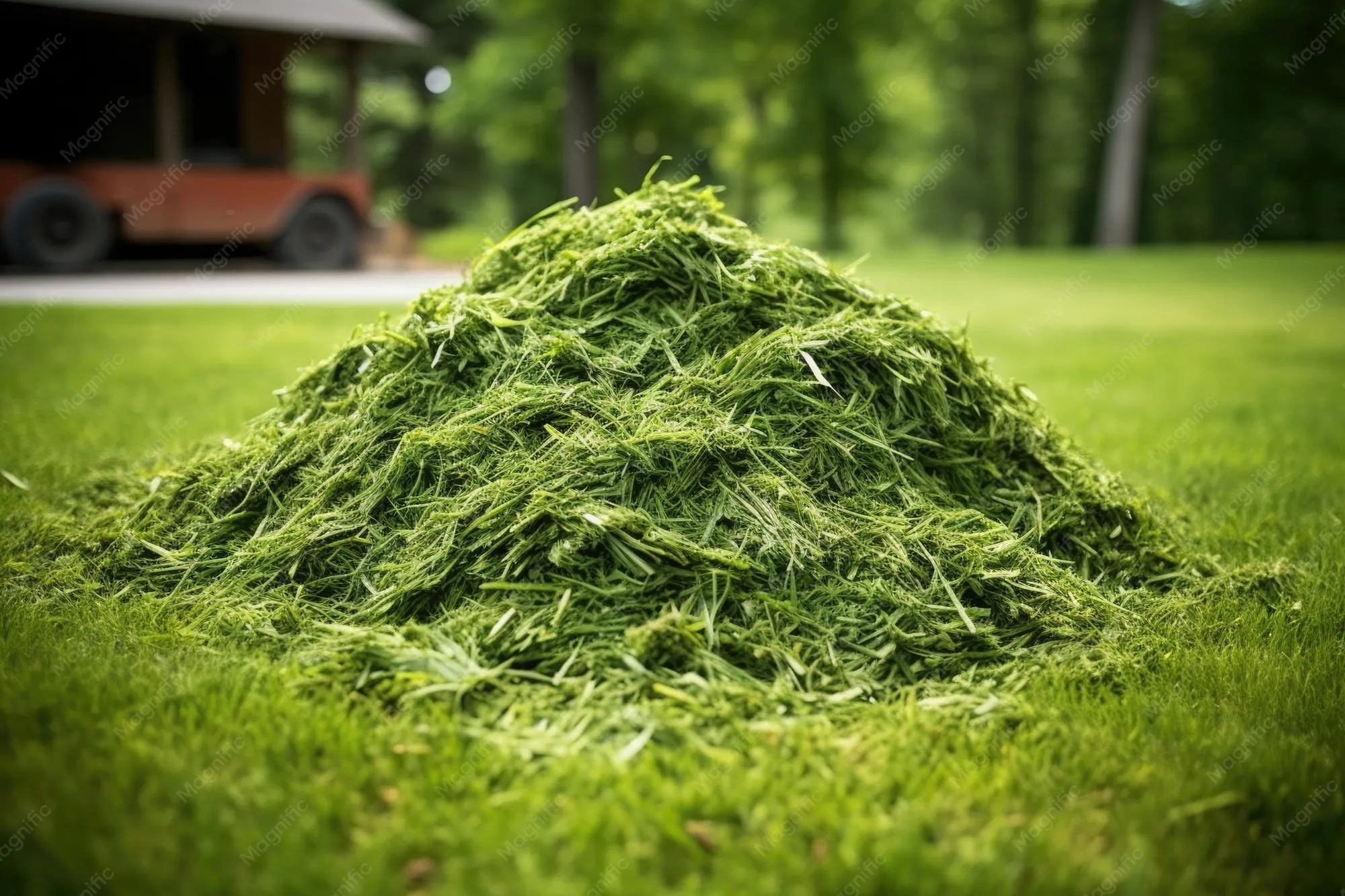
Image source: Freepik
During peak growing seasons, mow every 5–7 days. In slower growth periods, every 10–14 days is fine. Watch for the one‑third rule: when the grass has grown about 1.5 inches above your target height, it’s time to mow. Consistent mowing frequency keeps the lawn even and reduces stress on individual plants, speeding up grass recovery after mowing.
Seasonal Mowing Frequency Adjustments
Spring and fall bring rapid growth, so you’ll mow more often. Summer heat slows growth, so mow less. Adjust your schedule based on the actual growth of your lawn, not a fixed calendar. This dynamic approach improves turf health and prevents scalping.
⚠️ Important Note
Never cut wet grass. It clumps, tears unevenly, and can damage your mower. Wait until the grass is completely dry to mow.
Sharpen Mower Blades for Cleaner Cuts
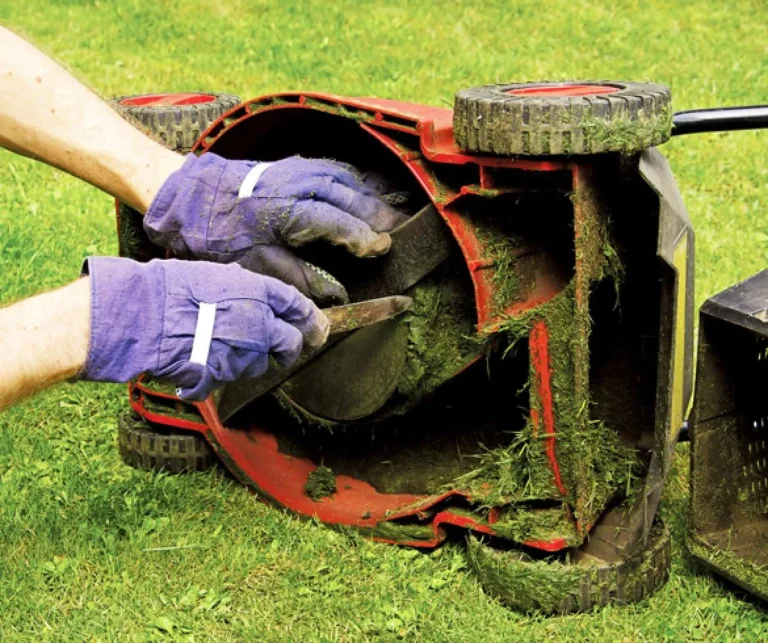
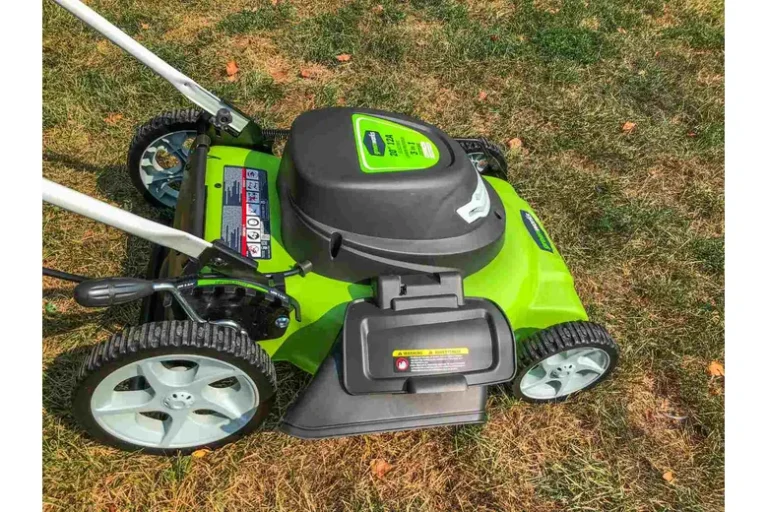
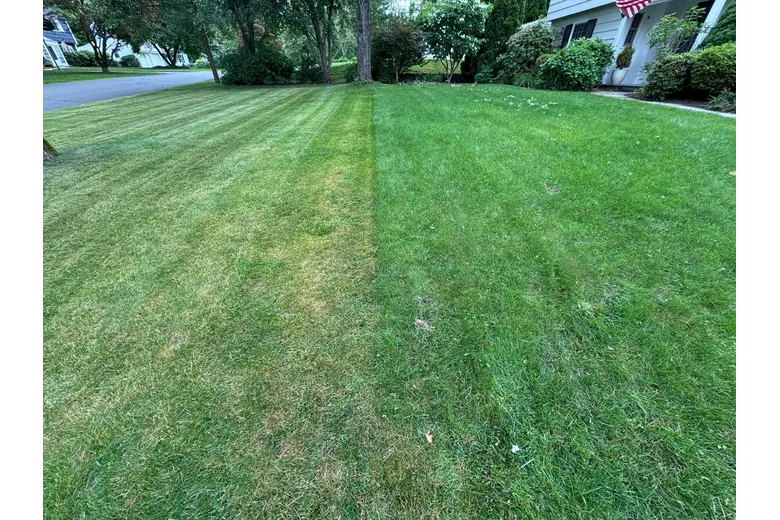
A sharp blade makes all the difference in grass recovery after mowing. Dull blades tear the grass, leaving ragged edges that turn brown and invite disease. Clean cuts heal faster, reducing water loss and stress. Aim to sharpen your mower blade at least once a month during the growing season.
- Signs of dull blades: frayed leaf tips, yellow streaks, uneven cut.
- Sharpening frequency: after every 10–15 hours of use.
- Use a file or grinder to maintain a 30‑degree angle.
Sharp blades also reduce the pull on the grass, preventing the entire plant from being yanked out. This simple maintenance step dramatically improves grass growth rate and overall lawn appearance. For more details, check out our guide on how to keep your lawn green after mowing.
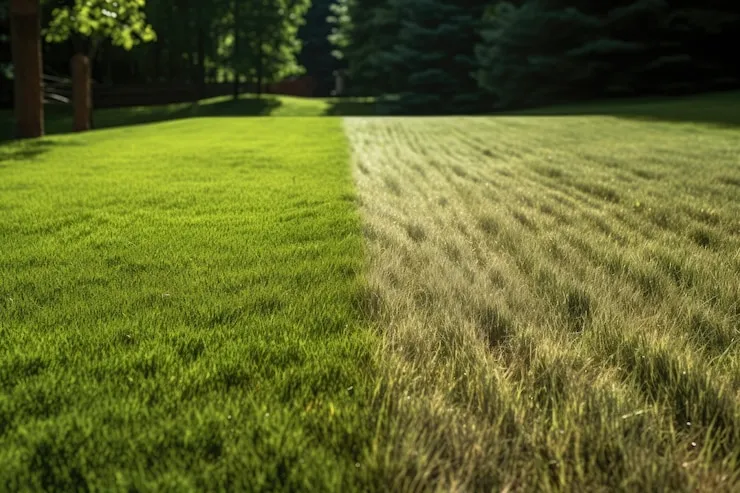
Image source: Freepik
Watering and Nutrition After Mowing
After mowing, your grass needs extra care to recover. Water deeply but infrequently to encourage deep roots. Aim for about 1 inch of water per week, including rainfall. Fertilize with a slow‑release nitrogen product to fuel leaf growth without causing a surge that requires more mowing. Proper nutrition boosts grass growth rate and strengthens turf health.
- Water in the early morning to reduce evaporation.
- Apply fertilizer based on soil test results.
- Avoid over‑fertilizing, which can stress the lawn.
Also, consider leaving grass clippings on the lawn. They decompose quickly and return nutrients to the soil, reducing the need for additional fertilizer. This practice is known as grasscycling and supports grass recovery after mowing naturally.
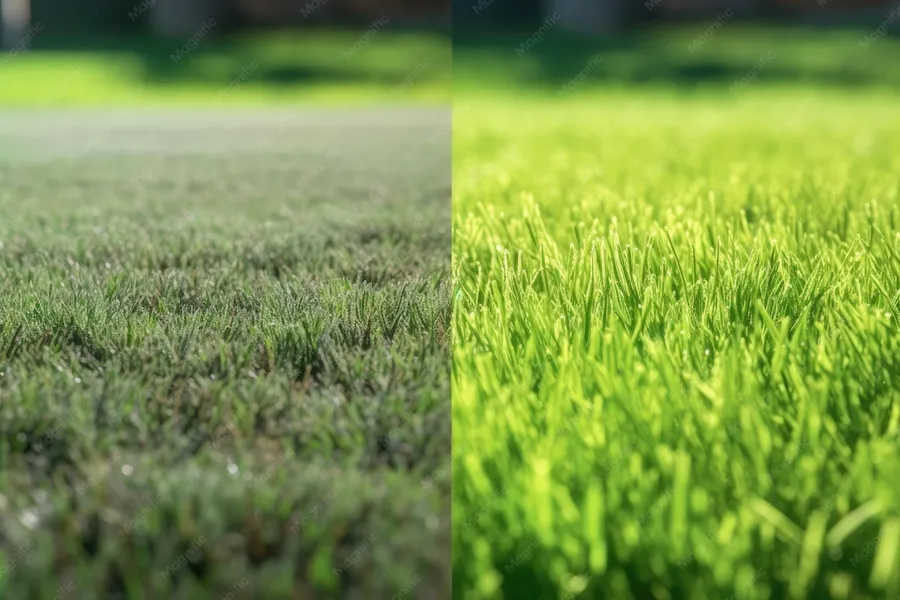
Image source: Freepik
Summary Best Practices for Post‑Mowing Growth
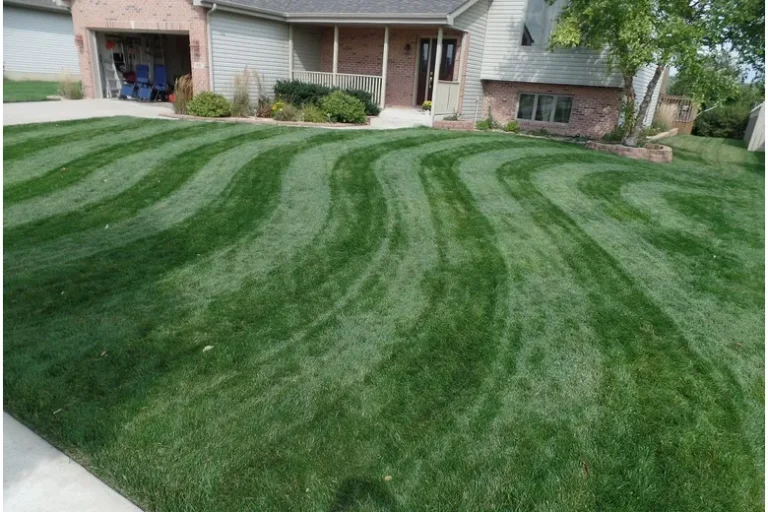
To maximize growth after mowing, combine the right height, frequency, blade sharpness, and aftercare. Keep your mower deck clean to avoid disease spread. Mow in different directions each time to prevent soil compaction and encourage upright growth. Follow these steps, and you’ll see a noticeable improvement in grass growth rate and overall lawn beauty.
Frequently Asked Questions
Why does my grass turn brown after mowing?
Brown tips often come from dull blades tearing the grass. Sharpen your blade and water deeply to help recovery.
Is it better to mow high or low?
Higher mowing is better for most grasses. It shades the soil, reduces weeds, and encourages deeper roots.
How often should I mow for the fastest growth?
Mow often enough to remove only one‑third of the blade. During peak growth, that may mean every 5‑7 days.
Should I bag clippings or leave them?
Leave clippings on the lawn unless they are too long. They return nutrients and support healthy growth.
Conclusion
Knowing what makes grass grow better after mowing empowers you to care for your lawn with confidence. Focus on lawn mowing height, mowing frequency, and sharp blades. Support recovery with proper watering and nutrition. By applying these science‑backed tips, you’ll enjoy a thick, green lawn that recovers quickly and stays healthy all year.
Start today by checking your mower blade and measuring your current cutting height. Small changes lead to big results. Your lawn will thank you with faster growth and a vibrant appearance.