How to Keep Your Lawn Green After Mowing
If you want to keep your lawn green after mowing, you need to follow proper techniques. Many people cut their grass too short or water it at the wrong time. This leads to brown patches and weak growth. The key is to understand how grass responds to cutting. You can avoid stress and maintain a lush, green lawn with simple changes. This guide shares post-mowing lawn care tips that work. You will learn about optimal grass cutting height, watering after mowing, and lawn recovery techniques. Our goal is to help you prevent browning after mowing and enjoy a healthy yard all season.
Mowing is more than just trimming grass. It affects the plant’s ability to photosynthesize and store energy. When you cut too much, the grass goes into shock. It loses moisture and turns yellow. But with the right approach, you can minimize stress. You can keep your lawn looking like a golf course. Let us dive into proven methods.
First, understand that grass blades are like solar panels. They capture sunlight to make food. If you remove too many blades, the plant struggles. It must use stored energy to regrow. That is why mowing high and often is best. Follow the one-third rule: never cut more than one-third of the leaf height at once. This simple tip can make a huge difference.
Key Takeaways
- Main Point: Mowing at the right height keeps grass healthy and green.
- Actionable Advice: Never cut more than one-third of the grass height per mow.
- Best Practice: Water deeply in the morning to help recovery after mowing.
- Expert Insight: Sharp mower blades create clean cuts that heal faster.
- Summary: Consistent care after mowing prevents browning and promotes lush growth.
Mastering the Right Mowing Technique
To keep your lawn green after mowing, start with the mowing itself. Use a sharp blade. Dull blades tear the grass, leaving ragged edges that turn brown. Sharp blades make clean cuts that heal quickly. Check your blade monthly during the growing season. Sharpen it or replace it as needed. Also, mow when the grass is dry. Wet grass clumps and can clog the mower. It also leads to uneven cuts.
Set your mower deck to the optimal grass cutting height. For most cool-season grasses like fescue and bluegrass, keep it at 3 to 4 inches. Warm-season grasses like Bermuda do best at 1.5 to 2.5 inches. Taller grass shades the soil, reduces evaporation, and crowds out weeds. It also develops deeper roots. Taller grass recovers faster from mowing stress. Never scalp your lawn. Scalping exposes the soil to sun and encourages weeds.
Follow the one-third rule strictly. If your grass is 4 inches tall, only cut it to about 2.7 inches. This may mean mowing more often during peak growth. But it is better than taking off too much at once. Also, vary your mowing pattern each time. Mowing the same direction every week can cause soil compaction and ruts. Alternate between north-south, east-west, and diagonal patterns. This encourages upright growth and reduces stress.
Watering Strategies for Post-Mowing Recovery
Watering after mowing is critical for recovery. The grass loses moisture through the cut tips. It needs water to heal and grow. But timing matters. Water early in the morning (before 10 a.m.) so the grass can dry during the day. Night watering leaves blades wet overnight, inviting disease. Deep, infrequent watering is better than light daily sprinkles. Aim for 1 to 1.5 inches of water per week, including rainfall.
After mowing, give the lawn a light watering if it appears dry. But do not overwater. Too much water can drown the roots and promote fungus. Use a rain gauge or a simple tuna can to measure the amount. Water until the soil is moist 6 inches deep. This encourages deep root growth. Deep roots make the lawn more drought-tolerant and resilient after mowing.
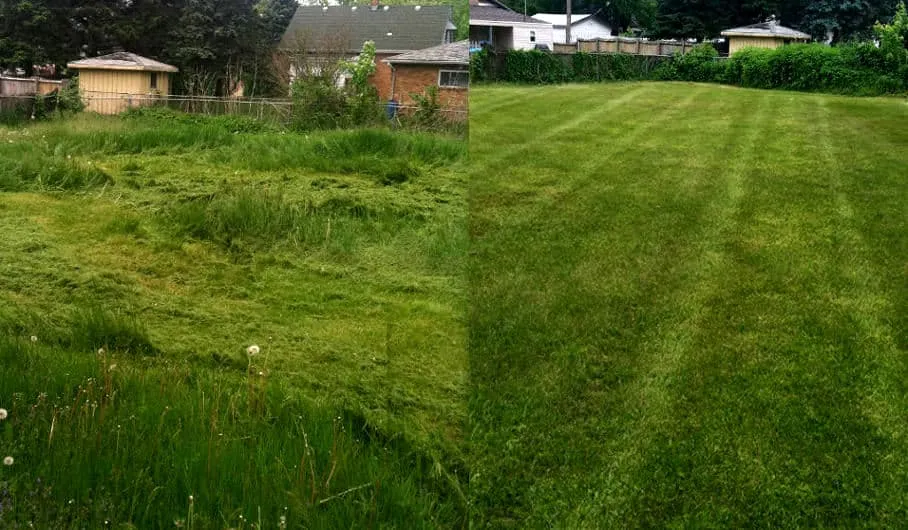
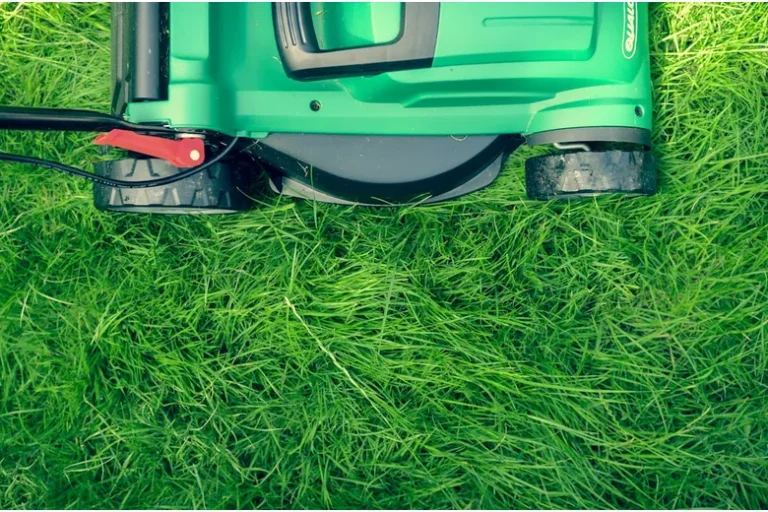
Image source: Homeandgardenlawncare
Here are signs that your lawn needs water after mowing:
- Footprints remain visible on the grass for more than a few minutes.
- The grass blades fold in half or appear dull blue-gray.
- The soil feels dry an inch below the surface.
If you see these signs, water immediately. But avoid watering during the hottest part of the day. Most water will evaporate before it reaches the roots. Post-mowing lawn care tips often emphasize proper hydration. It is one of the easiest ways to prevent browning after mowing.
💡 Pro Tip
Mow in the morning after the dew dries but before the heat of the day. This gives the grass time to heal before nightfall.
Fertilizing and Lawn Recovery Techniques
Lawn recovery techniques go beyond mowing and watering. Fertilizing helps the grass rebuild after cutting. But timing is everything. Do not fertilize right after mowing. The grass is stressed and cannot absorb nutrients well. Wait a day or two. Then apply a balanced, slow-release fertilizer. This provides steady nutrients without burning the grass.
Use a fertilizer with a ratio like 20-5-10 (nitrogen-phosphorus-potassium). Nitrogen promotes green growth. But too much can cause rapid, weak growth that needs more mowing. Follow package directions. Also, consider using organic options like compost or manure tea. They improve soil health over time. Aerating the lawn once a year also helps. Aeration reduces soil compaction and allows water and nutrients to reach the roots. Combine that with overseeding in the fall for a thicker lawn.
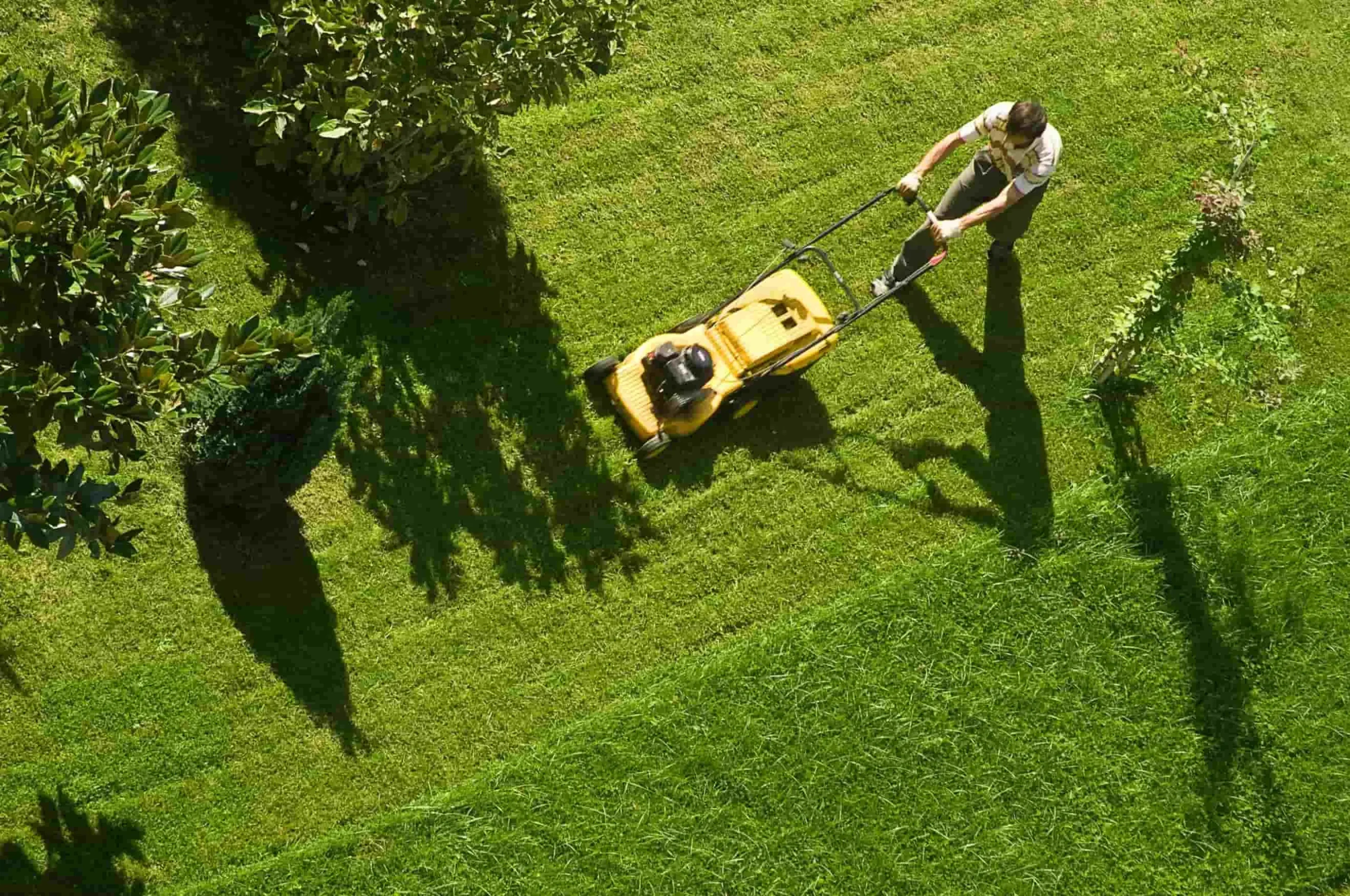
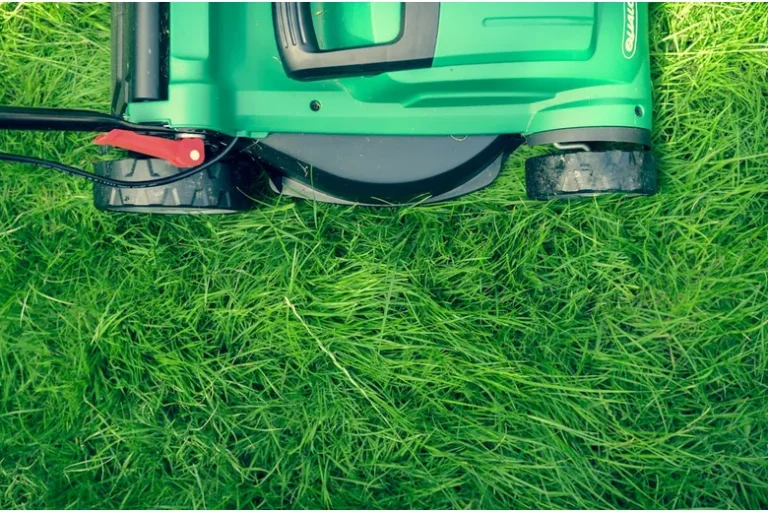
Image source: Storables
Another recovery technique is to leave grass clippings on the lawn. This is called grasscycling. Clippings decompose quickly and return nutrients to the soil. They provide up to 25% of the lawn’s fertilizer needs. As long as the clippings are not too long, they do not cause thatch. Mulching mowers chop clippings finely. This is a great post-mowing lawn care tip to recycle nutrients.
⚠️ Important Note
Never cut more than one-third of the grass blade length at once. This reduces stress and prevents browning.
Preventing Browning After Mowing
To prevent browning after mowing, avoid common mistakes. The main cause is cutting the grass too short. Scalping exposes the lower stems that are not adapted to sunlight. They turn brown quickly. Also, mowing during drought stress can cause browning. If the lawn is already dry, wait for rain or water before mowing.
Another cause is dull mower blades. Ragged cuts lose more water and invite disease. Check your blades every few weeks. Also, clean the underside of the mower deck to prevent rust and debris from spreading. If you see brown tips after mowing, adjust your height or sharpen your blade. Sometimes browning is a sign of fungal disease. In that case, improve air circulation and reduce thatch.
Here are quick steps to prevent browning after mowing:
- Mow when the grass is dry and not stressed.
- Use a sharp blade for clean cuts.
- Keep mowing height high (3-4 inches for cool-season grass).
- Water deeply after mowing if needed.
Following these steps will keep your lawn green even in high traffic areas. For more on mowing fundamentals, read our detailed guide on How to Mow Your Lawn for Better Results.
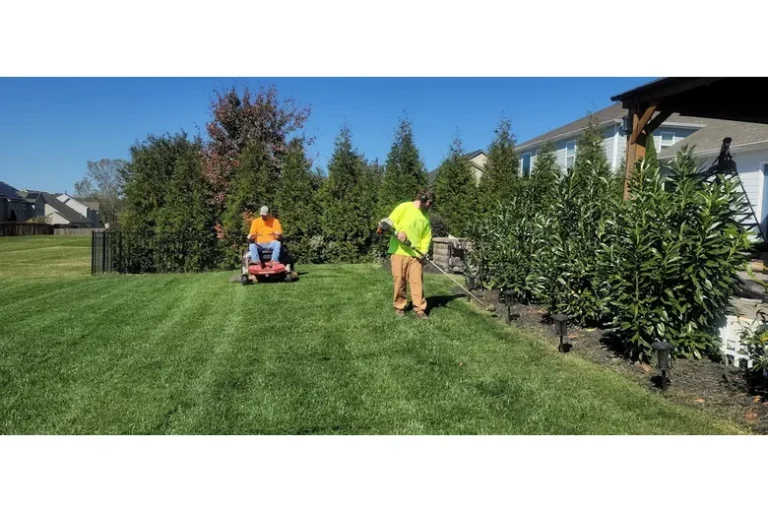
Image source: Freepik
Seasonal Care Adjustments
Your lawn’s needs change with the seasons. In spring, grass grows fast. Mow frequently but keep height moderate. Do not cut too low after winter. In summer, raise the mowing height to 4 inches. Taller grass shades the soil and retains moisture. Reduce mowing frequency during drought. Water deeply but less often. In fall, lower the height gradually. This prevents snow mold and encourages root growth. In winter, stop mowing once grass goes dormant.
Each season requires different post-mowing lawn care tips. For example, in summer, watering after mowing is crucial. In fall, focus on fertilization and aeration. Adjusting your practices based on weather and grass type will keep your lawn green year-round. Never mow when frost is on the grass. It damages the blades. Also, avoid mowing when the ground is very wet; it can cause ruts.
Here is a comparison of mowing heights by season for cool-season lawns:
- Spring: 2.5 to 3.5 inches
- Summer: 3.5 to 4 inches
- Fall: 2.5 to 3 inches
- Winter: No mowing or only if needed at 2 inches
By following seasonal adjustments, you reduce stress and promote healthy growth.
Frequently Asked Questions
How soon after mowing should I water my lawn?
Water immediately if the grass shows signs of stress. Otherwise, wait until early morning the next day. Avoid watering in the evening to prevent disease.
Can mowing at the wrong time of day cause browning?
Yes. Mowing in the afternoon heat stresses the grass. The best time is mid-morning after dew dries but before the sun gets intense.
Does leaving grass clippings help keep the lawn green?
Yes. Grass clippings return nitrogen and moisture to the soil. They act as a natural mulch that keeps the lawn green.
How often should I sharpen my mower blade?
Sharpen every 25 hours of use or at least once per mowing season. Dull blades cause brown tips.
Conclusion
Keeping your lawn green after mowing is not hard. You just need the right habits. Always use a sharp blade and follow the one-third rule. Mow at the optimal grass cutting height for your grass type. Water deeply after mowing to support recovery. Use lawn recovery techniques like proper fertilization and grasscycling. By doing these things, you can prevent browning after mowing and enjoy a vibrant lawn all year.
Remember, a healthy lawn starts with smart mowing. Take care of your grass, and it will take care of your yard. Implement these tips, and you will see the difference in just a few weeks. Happy mowing!