How to Mow Your Lawn for Better Results
How To Mow Your Lawn For Better Results starts with understanding key lawn care principles. Mowing is not just about cutting grass. It affects your lawn’s health and appearance. The right technique can make a big difference. In this guide, we will cover everything you need. You will learn about lawn mowing tips, grass cutting height, mowing patterns, and more. Let us dive into the details.
Many homeowners struggle with lawn care. They cut grass too short. They mow too often. They ignore blade sharpness. These mistakes cause thin, patchy lawns. With the right knowledge, you can avoid these issues. You will get a lush, green lawn. This article provides lawn care techniques that work. Follow these steps for amazing results.
Mowing is a weekly chore for many. But doing it well takes practice. You need to know your grass type. You need to choose the right height. You need to change your pattern. All these factors matter. Let us start with the basics.
Key Takeaways
- Main Point: Mow high and often to promote deep roots and shade out weeds.
- Actionable Advice: Set your mower deck to the highest recommended height for your grass type.
- Best Practice: Follow the one-third rule: never cut more than one-third of the blade length.
- Expert Insight: Sharp blades are crucial. Dull blades tear grass, causing disease.
- Summary: Consistent, proper mowing leads to a healthier, more beautiful lawn.
Setting the Right Grass Cutting Height
Grass cutting height is the most important factor. Cutting too low stresses the plant. It exposes soil to sun and weeds. The general rule is to mow high. Cool-season grasses like fescue do best at 3 to 4 inches. Warm-season grasses like Bermuda prefer 1 to 2 inches. Adjust based on the season. In summer, raise the height. This helps the lawn retain moisture. In fall, lower it slightly to prevent snow mold. Always measure the height after mowing. Use the one-third rule. Never remove more than one-third of the leaf blade. If grass is 6 inches tall, cut to 4 inches. This keeps the lawn healthy. It also encourages deeper roots.
Different grass types need different heights. Check your grass type. Use a ruler to measure. Many mowers have adjustable decks. Set your mower to the correct height. Lawn mowing tips suggest starting high. Then lower gradually if needed. A common mistake is scalping. Scalping removes too much grass. It causes bare spots. Avoid this by raising the mower. Also, keep the deck level. An uneven deck cuts at different heights. This gives a patchy look. Check the deck regularly. Adjust the wheels if needed. A level cut is key for a uniform lawn.
Mastering Mowing Patterns for a Healthy Lawn
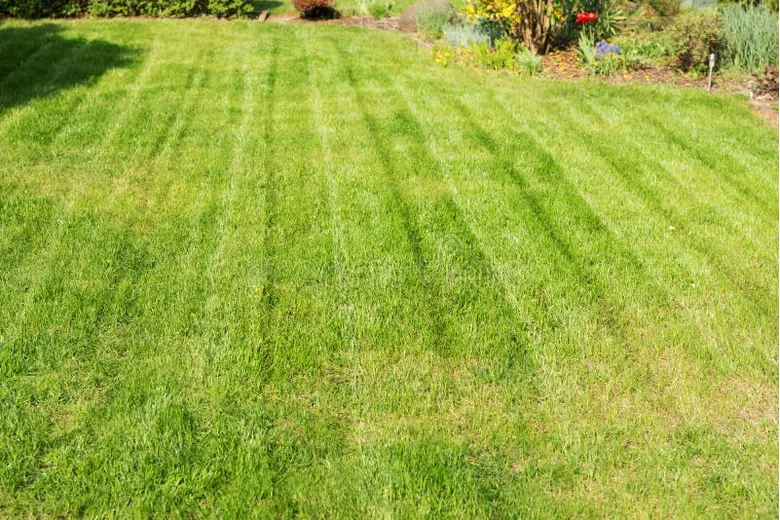
Mowing patterns affect how grass stands and grows. Using the same pattern each time causes ruts. Grass blades lean in one direction. This leads to uneven growth. It also tires the lawn. Change your pattern every mow. Try mowing north-south one week. Then east-west the next. You can also do diagonal patterns. This helps grass stay upright. It also reduces soil compaction. Another benefit is better light absorption. Each blade gets more sunlight. This promotes thicker growth. Lawn care techniques include pattern rotation. It is simple but effective.
To create patterns, use stripes. Stripes are visual lines from light reflection. They do not harm the lawn. To get stripes, use a roller mower. Or attach a striping kit. Mow in straight lines. Turn at the ends. Overlap slightly to avoid missed spots. Patterns also help with drainage. They guide water away from your house. A good pattern makes your lawn look wider. It also hides imperfections. Experiment with different patterns. Find what works for your yard. Remember to vary the direction each time.
Image source: Freepik
💡 Pro Tip
Mow when grass is dry to prevent clumping and disease. Wet grass sticks to the mower deck and can spread fungus.
The Critical Role of Mower Blade Sharpening
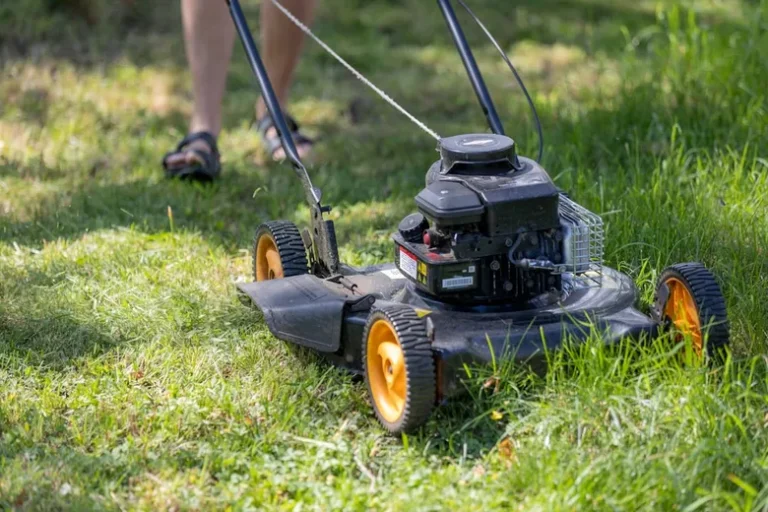
Mower blade sharpening is often overlooked. Dull blades tear grass instead of cutting. This causes frayed edges. The grass turns brown. It becomes prone to disease. Sharp blades give a clean cut. The lawn heals faster. It looks greener. You should sharpen your blades at least once a season. More often if you hit rocks. A simple test: look at the grass tips. If they are brown or ragged, sharpen the blade. You can do it yourself with a file. Or take it to a shop. Keep a spare blade for quick changes. Always disconnect the spark plug before removing the blade. Safety first.
Sharp blades also save fuel. They cut efficiently. The mower does not strain. This extends the engine life. Check the blade balance after sharpening. An unbalanced blade vibrates. It damages the mower. Use a blade balancer. Or hang it on a nail. The blade should stay level. If one side drops, file it more. A well-balanced blade gives a smooth cut. It also reduces noise. Lawn mowing tips recommend sharpening every 25 hours of use. But it depends on your lawn. Larger lawns need more frequent sharpening. A sharp blade makes mowing easier. It also improves the health of your lawn.
Image source: Freepik
⚠️ Important Note
Never cut more than one-third of the grass blade at once. Cutting too much shocks the plant and leads to brown tips and weak growth.
Timing Your Mow: When and How Often
Mowing at the right time is crucial. Early morning or late afternoon is best. Avoid midday heat. The grass is stressed then. Also avoid mowing when wet. Wet grass clumps. It clogs the mower. It can also spread disease. Wait until the grass is dry. Usually after the dew evaporates. Mow in the evening if needed. But give the lawn time to heal before night. Mowing in the heat can burn the grass. The cut ends dry out quickly. This causes brown tips. So choose a cooler time of day.
How often should you mow? It depends on growth rate. During peak spring, mow every 5 to 7 days. In summer, every 7 to 10 days. In fall, slow down. Let the grass go a bit longer before winter. The rule is to mow often enough to only remove the top third. That means mowing when the grass is about one-third taller than your desired height. For example, if you want 3 inches, mow when it reaches 4.5 inches. This keeps the lawn healthy. It also reduces clippings. Lawn care techniques include mulching instead of bagging. Mulching returns nutrients to the soil. Use a mulching mower. Or leave the clippings on the lawn. They decompose quickly. They provide nitrogen. This reduces fertilizer needs. But if the grass is too long, bag the clippings. They can smother the lawn. Use common sense.
Additional Lawn Care Techniques for a Lush Lawn
Lawn care techniques go beyond mowing. Water deeply but less often. This encourages deep roots. Water in the morning to reduce evaporation. Avoid frequent shallow watering. It makes grass dependent. Fertilize according to your grass type. Use a slow-release nitrogen fertilizer. Avoid over-fertilizing. It can burn the lawn. Aerate the soil once a year. This reduces compaction. It allows water and air to reach roots. Dethatch if the thatch layer is over half an inch. Thatch is dead grass and roots. It blocks water. Use a dethatching rake or machine. Overseed in fall to fill bare spots. Choose a seed that matches your lawn. Keep the soil moist until seeds germinate.
Control weeds with proper mowing and care. A thick lawn crowds out weeds. Use pre-emergent herbicides in spring. Post-emergent for existing weeds. But avoid chemicals if possible. Hand-pull weeds. Or use natural remedies. Edging gives a clean border. Use a string trimmer or edger. Define beds and paths. A well-edged lawn looks professional. Also trim around trees and fences. Mowing close to obstacles can damage the mower. Use a trimmer for those spots. Regular maintenance keeps your lawn healthy. Lawn mowing tips include checking tire pressure. Low tires cause uneven cuts. Inflate tires to the recommended level. Also lubricate mower parts. Change the oil regularly. A well-maintained mower gives better results.
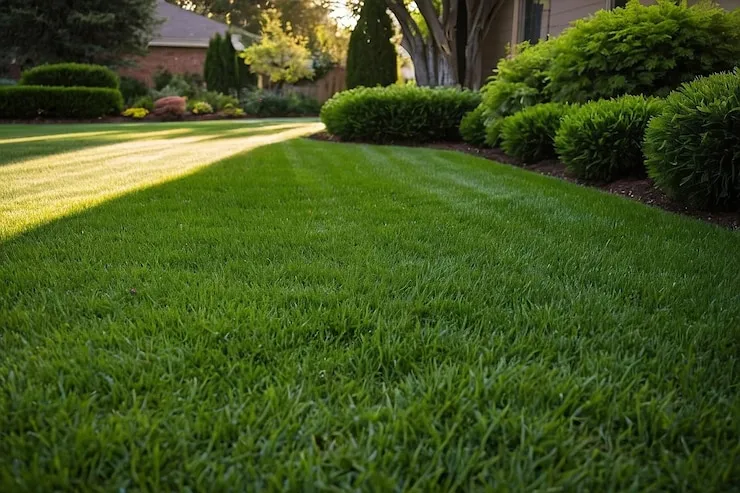
Image source: Freepik
Frequently Asked Questions
What is the best height to mow my lawn?
The best height depends on your grass type. Cool-season grasses like fescue should be 3 to 4 inches. Warm-season grasses like Bermuda do best at 1 to 2 inches. Always follow the one-third rule.
How often should I mow my lawn?
Mow often enough to remove only the top third of the grass. During fast growth, this means every 5 to 7 days. In slower periods, every 10 to 14 days.
Should I leave grass clippings on the lawn?
Yes, if the clippings are short. They decompose quickly and return nutrients to the soil. Use a mulching mower for best results. If the grass is long, bag the clippings to avoid smothering the lawn.
How do I know when to sharpen my mower blade?
Look at the grass tips after mowing. If they are brown, ragged, or frayed, it is time to sharpen. Also, if the mower vibrates or leaves uneven cuts, check the blade.
Conclusion
Mowing your lawn correctly is not hard. It just takes knowledge and consistency. Follow the tips in this guide. Set the right grass cutting height. Change your mowing patterns. Keep your blade sharp with regular mower blade sharpening. Use other lawn care techniques like proper watering and fertilizing. Your lawn will reward you with a thick, green carpet. Start today. Apply these lawn mowing tips. You will see better results in just a few weeks. Enjoy your beautiful lawn!