How to Use a Lawn Mower Properly
Lawn mower safety is the most important topic for every homeowner. A clean and healthy lawn boosts your home curb appeal. Proper operation protects you, your family, and your property. This guide teaches you how to use a lawn mower properly from start to finish.
Every year, many people suffer injuries due to improper use. Following basic lawn mower safety tips prevents most accidents. You will learn how to prepare the machine and protect your hearing and eyes. We also cover effective grass cutting techniques for a beautiful result.
Using a machine correctly extends its life and reduces repair costs. This article explains the steps for how to start a lawn mower safely. You will understand the importance of routine lawn maintenance steps. Read the entire guide before you operate any equipment.
Key Takeaways
- Main Point: Always inspect your machine and clear debris before you start.
- Actionable Advice: Wear sturdy shoes, eye protection, and hearing protection.
- Best Choice/Practice: Use sharp blades and change them at the start of each season.
- Expert Insight: Mow when the grass is dry to prevent slipping and disease.
- Summary: Follow these steps to achieve a healthy lawn safely and efficiently.
Preparation And Safety Checks
Pre-Operation Inspection
Before you operate any equipment, you must perform a thorough check. A quick inspection prevents mechanical failure and personal injury. Start by examining the lawn mower blade for cracks or heavy rust. Replace any damaged part immediately for safe cutting.
Check the fuel level if you have a gas model. Look for leaks in the tank or lines. For electric models, ensure the cord is intact and free of cuts. Never use a mower if the safety features are broken or missing.
Personal Protective Equipment
Wearing the right gear is a core part of lawn mower safety tips. Sturdy gloves protect your hands from cuts and vibration. Safety glasses shield your eyes from flying debris and insects.
Ear protection is vital for loud machines. Long pants and closed-toe shoes prevent leg and foot injuries. Avoid wearing loose clothing that could get caught in the moving parts.
- Sturdy work gloves
- Impact-resistant eye protection
- Hearing protection like earplugs
- Long pants and durable shoes
Site Preparation
Clear the area of toys, sticks, rocks, and garden hoses. These objects can become dangerous projectiles. Pick up any loose rocks that could dent the housing or break the lawn mower blade.
Check for pests like snakes hiding in tall grass. Mowing over them is a serious hazard. Remove large obstacles to ensure a smooth and safe operation.
Starting The Machine Correctly
How To Start A Lawn Mower
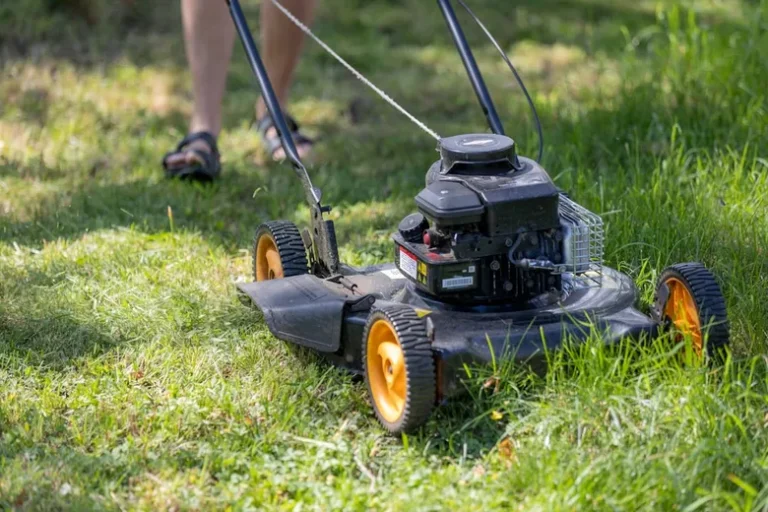
Learning how to start a lawn mower correctly saves time and frustration. For push mowers, first ensure the blade is engaged. Pull the starter cord smoothly and firmly. If the engine is cold, prime it with fresh fuel if needed.
Riding mowers often have a key or switch. Sit firmly on the seat and apply the parking brake first. Turn the key or press the start button until the engine fires. Let it run for a few seconds before moving.
Never leave the machine running unattended. This simple rule is the foundation of lawn mower safety tips. It prevents rollovers and injuries to children or pets.
Troubleshooting Common Issues
If the engine sputters, check the air filter and spark plug. A dirty filter reduces power and efficiency. A worn spark plug makes starting difficult or impossible.For gas models, old fuel can gum up the system. Use fresh gasoline and the correct oil mix. Listen for unusual sounds that indicate internal problems.
💡 Pro Tip
Mow dry grass, vary patterns, and keep blades sharp for best results.
Effective Grass Cutting Techniques
Mowing Patterns And Height
Height adjustment is critical for lawn health. Never cut more than one-third of the blade height at once. Scalping stresses the grass and invites disease.
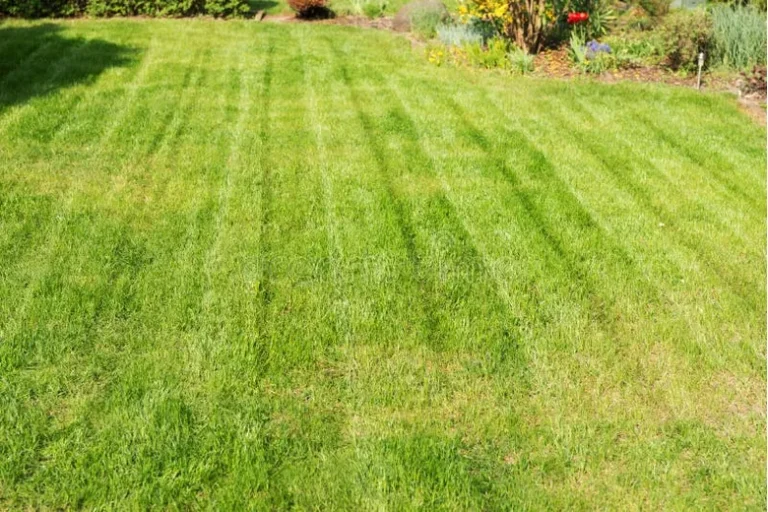
Vary your mowing pattern each time. This prevents soil compaction and ruts. Straight lines are fine, but consider alternating directions weekly.
- Cut when the grass is dry for clean slices
- Overlap passes slightly to avoid missed strips
- Sharpen the lawn mower blade every season
Bagging Vs Mulching
Mulching returns nutrients to the soil, reducing fertilizer needs. Use mulching mode when grass is cut to the proper height. Bagging is better when grass is long or wet to prevent clumping.
Leaving clippings on the lawn is a form of lawn maintenance steps. It acts as a natural fertilizer and conserves moisture. Choose the method that fits your schedule and lawn condition.
⚠️ Important Note
Never remove safety guards or operate while the blade is engaged.
Advanced Maintenance Practices
Seasonal Care
End-of-season care ensures your machine is ready when you need it. Drain old fuel or use a fuel stabilizer to prevent gumming. Clean the undercarriage to remove grass buildup.
Storage is just as important as use. Keep the machine in a dry place to prevent rust. For electric mowers, store the battery in a cool environment. These steps protect your investment.
When To Seek Professional Help
Some repairs are too dangerous or complex for DIY. If the engine will not start after basic checks, consult a professional. Strange noises or vibrations can indicate serious issues.
Safety systems like blade brakes should be handled by experts. Attempting complex fixes without skill may void warranties or cause injury. Know your limits.
Troubleshooting And Optimization
Performance Tuning
Optimizing performance involves small but important habits. Keep the wheels clean to ensure smooth movement. Check tire pressure regularly for riding models.
Inspect belts and cables for wear. Replace them at the first sign of fraying. A well-tuned machine uses less effort and produces better results.
Environmental Considerations
Electric mowers produce zero emissions, making them eco-friendly choices. Gas models emit fumes, so use them in well-ventilated areas.
Consider the noise level if you have neighbors. Quieter machines reduce community complaints. Responsible use supports a peaceful environment.
Frequently Asked Questions
How often should I mow my lawn?
During peak growth, mow once a week. In slower seasons, every two weeks may suffice. Adjust based on rainfall and temperature.
Frequent light mowing is healthier than infrequent heavy cutting. This practice supports strong root development and dense growth.
What is the best time of day to mow?
Early morning or late afternoon is ideal. The grass is cooler, reducing stress on the plant. Dew can make cutting difficult, so avoid very early dew if possible.
Mowing during extreme heat stresses both you and the machine. Plan your schedule around cooler parts of the day.
Can I mow wet grass?
It is not recommended. Wet grass clumps and clogs the discharge chute. It also spreads diseases across the lawn. Wait for conditions to improve.
If you must mow, clean the underside of the deck frequently. This prevents clippings from sticking and causing uneven cuts.
How do I winterize my lawn mower?
Winterization prevents damage during cold storage. Change the oil and filter before storing for long periods. Run the tank low to avoid stale fuel issues.
Clean the machine thoroughly and store it in a dry location. Cover the unit to protect it from dust and moisture until spring.
Conclusion
Using a lawn mower properly requires attention to safety and technique. Consistent practice of lawn mower safety tips builds confidence and skill. You protect your investment and your well-being.
Follow the grass cutting techniques and lawn maintenance steps outlined here for a vibrant lawn. This guide serves as your foundation for safe and effective yard care. Apply these principles consistently for excellent results.