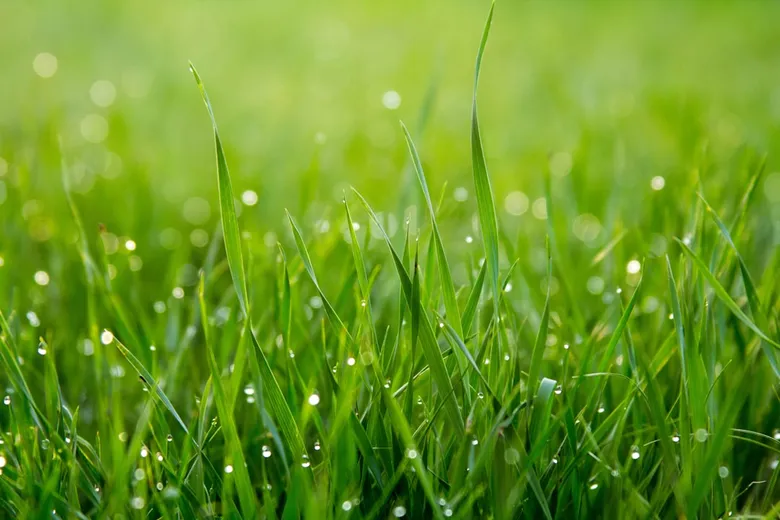
How to Care Lawn Grass
Caring for your lawn is a rewarding task that boosts your home’s curb appeal and provides a space for relaxation. Learning how to care lawn grass is essential for a vibrant, healthy yard. This guide covers everything from mowing to watering, fertilization, weed control, and aeration. Follow these steps to achieve the lawn of your dreams.
Proper lawn care starts with understanding your grass type and soil conditions. Each season brings different challenges and opportunities. With the right techniques, you can maintain a lush green lawn all year round. Let’s dive into the key practices that make a difference.
Consistency is vital. Simple habits like mowing at the correct height and watering deeply but infrequently can transform your lawn. This article provides actionable tips you can implement today.
Key Takeaways
- Main Point: Master the basics of mowing, watering, and fertilizing for a healthy lawn.
- Actionable Advice: Follow a consistent grass watering schedule and mow at the right height.
- Best Choice/Practice: Use slow-release fertilizer and aerate annually for best results.
- Expert Insight: Timely weed control prevents invasive species from overtaking your lawn.
- Summary: Combine regular maintenance with seasonal adjustments for a thriving lawn.
Understanding Your Lawn’s Needs
Every lawn is unique. The first step in how to care lawn grass is to identify your grass type, whether cool-season or warm-season. This determines your mowing height, watering frequency, and fertilization schedule. Also test your soil pH to ensure nutrients are available.
Soil compaction is a common issue. Compacted soil restricts root growth and water absorption. Performing a simple soil test will reveal if you need amendments such as lime or sulfur. Proper soil preparation sets the foundation for a healthy lawn.
Another factor is sunlight. Most grasses need at least 4-6 hours of direct sunlight daily. If your lawn has shady areas, select shade-tolerant grass varieties. Understanding these basics will help you create a tailored lawn care plan.
Mastering Lawn Mowing Tips
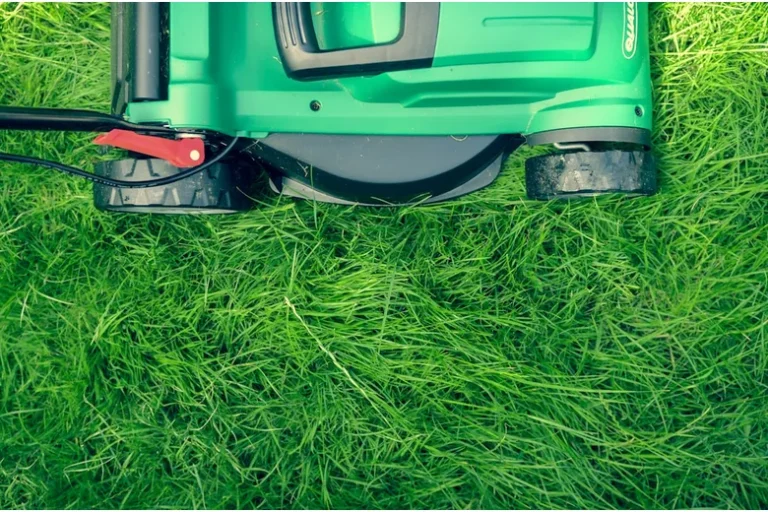
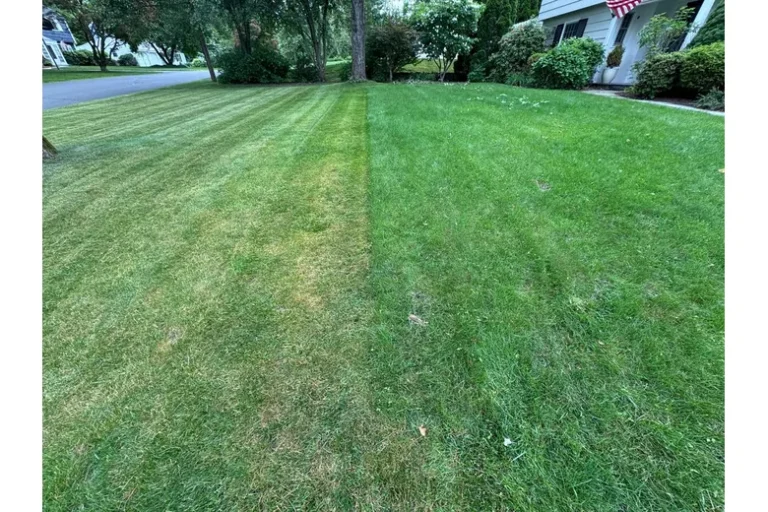
Mowing is a core part of how to care lawn grass. Lawn mowing tips include cutting at the correct height—generally 2.5 to 4 inches depending on the grass type. Taller grass shades the soil, reduces weeds, and promotes deeper roots. Never cut more than one-third of the blade length at once.
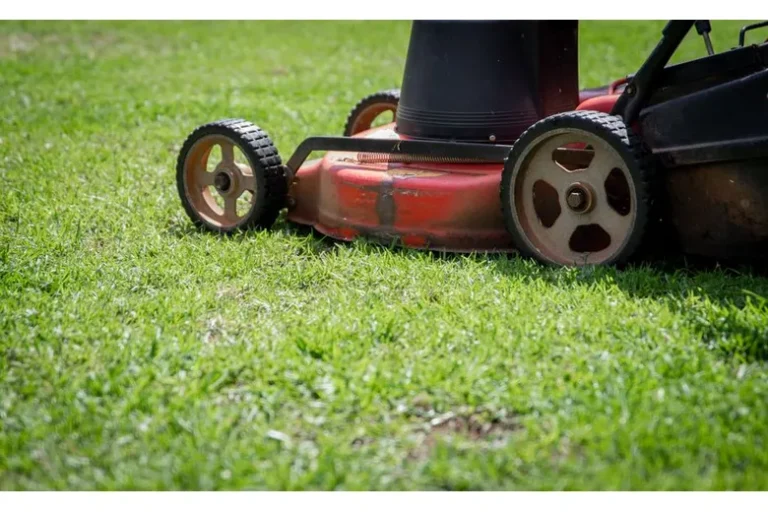
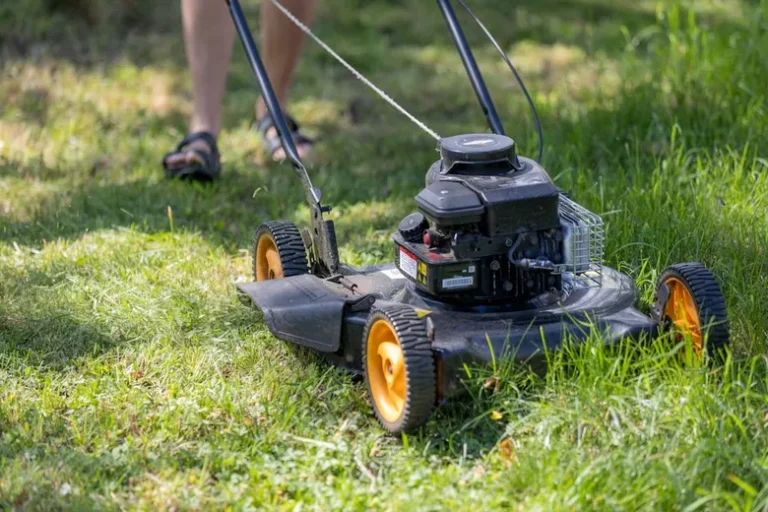
Keep your mower blade sharp. Dull blades tear grass, causing brown tips and disease. Mow when the grass is dry, and vary your mowing pattern to prevent soil compaction. Leave grass clippings on the lawn to return nutrients to the soil (grasscycling).
For a detailed guide on mower maintenance, read our How to Buy a Lawn Mower for Home – Buying Guide. It covers essential features for a perfect cut.
💡 Pro Tip
Set your mower blade to the highest recommended setting for your grass type. Taller grass shades the soil, reducing water evaporation and weed germination.
Optimizing Grass Watering Schedule
Watering deeply and infrequently is the secret to a drought-tolerant lawn. A proper grass watering schedule involves watering 1-1.5 inches per week, including rainfall. Water early in the morning to reduce evaporation and disease risk.
Use a rain gauge or tuna can to measure water output. Adjust your schedule based on weather and soil type. Sandy soils need more frequent watering; clay soils hold moisture longer. Overwatering leads to shallow roots and fungal problems. Signs of underwatering include wilting and footprints that remain visible.
Consider installing a smart irrigation controller for convenience. For more lawn care basics, see our Essential Guide to Lawn Care Success.
⚠️ Important Note
Never water your lawn in the evening. Wet grass overnight encourages fungal diseases. Always water early morning to allow grass blades to dry during the day.
Lawn Fertilization Essentials
Lawn fertilization provides essential nutrients for growth and color. Apply a balanced fertilizer (e.g., 10-10-10) in early spring and fall for cool-season grasses, or late spring and summer for warm-season grasses. Use slow-release formulas to feed gradually.
Test your soil before fertilizing to avoid excess nutrients. Too much nitrogen can burn grass and harm the environment. Follow package rates carefully. Organic options like compost are also effective. Fertilize when the grass is dry and water lightly after application.
- Spring: Apply fertilizer with higher nitrogen for green-up.
- Summer: Use a balanced or low-nitrogen formula to avoid stress.
- Fall: Boost potassium for root development and winter hardiness.
Remember that weed control and fertilization go hand in hand. A thick, healthy lawn crowds out weeds naturally. If weeds appear, use spot treatments rather than blanket applications.
Weed Control and Soil Aeration
Effective weed control starts with prevention. Pre-emergent herbicides in spring stop weed seeds from germinating. Post-emergent herbicides target existing weeds. For a chemical-free approach, pull weeds by hand or use corn gluten meal.
Soil aeration relieves compaction and allows air, water, and nutrients to reach roots. Aerate your lawn once a year, ideally in spring or fall. Use a core aerator that removes plugs of soil. After aeration, overseed thin areas and top-dress with compost for best results.
Aeration is especially important for heavily used lawns or those with clay soil. It reduces thatch and improves drainage. Combine aeration with overseeding for a thicker lawn that resists weeds naturally.

Seasonal Lawn Care Calendar
Following a seasonal schedule ensures you never miss a critical task. In spring, focus on raking, fertilizing, and pre-emergent weed control. Summer requires careful watering and mowing at higher heights. Fall is ideal for aeration, overseeding, and winterizing fertilization.
- Spring: Test soil, apply fertilizer, start mowing at correct height.
- Summer: Water deeply, mow less frequently, treat weeds if needed.
- Fall: Aerate, overseed, fertilize with potassium-rich formula.
- Winter: Minimize foot traffic, clean up leaves, prepare for spring.
Adapt this calendar to your local climate and grass type. Consistent care throughout the year yields the best results. Remember that how to care lawn grass is a year-round commitment.

Frequently Asked Questions
How often should I mow my lawn?
Mow once a week during peak growing season. Adjust frequency based on grass growth; never remove more than one-third of the blade height.
What is the best time to water grass?
Early morning (6-10 AM) is ideal. This reduces evaporation and allows grass to dry before night, preventing disease.
How can I control weeds without chemicals?
Maintain healthy grass through proper mowing and watering. Hand-pull weeds and apply corn gluten meal as a natural pre-emergent.
When should I aerate my lawn?
Aerate in early spring or fall when grass is actively growing. Ensure soil is moist for best plug removal.
Conclusion
Mastering how to care lawn grass involves consistent practice of mowing, watering, fertilizing, weed control, and aeration. Start with the basics and gradually refine your routine based on your lawn’s response.
Remember that patience and observation are key. Every lawn is different, but the principles outlined here apply universally. With time and effort, you’ll enjoy a lush, healthy lawn that enhances your outdoor living space.
Take action today: test your soil, adjust your mowing height, and set a watering schedule. Your dream lawn is just a few steps away.