How to Care for Your Lawn
How to care for your lawn is a question every homeowner asks. A lush, green lawn boosts curb appeal and provides a space for relaxation. But achieving that perfect yard requires consistent effort and know-how. In this guide, you will learn essential lawn mowing tips, the ideal grass watering schedule, effective weed control methods, and a complete lawn fertilization guide. We also cover soil pH testing to ensure your grass thrives. Whether you are a beginner or a seasoned gardener, these actionable strategies will transform your lawn.
Many people think lawn care is complicated. But with the right approach, you can maintain a healthy lawn year-round. The secret is understanding your grass type, local climate, and soil condition. Regular mowing, proper watering, and timely fertilization are the pillars of success. This article breaks down each step, so you can follow a simple routine. By the end, you will feel confident in your ability to nurture a vibrant landscape.
Remember, every lawn is unique. What works for your neighbor may not work for you. That is why we emphasize testing and observation. Start with the basics, then adjust based on your lawn’s response. With patience and consistency, you will see remarkable improvement.
Key Takeaways
- Main Point: Consistent lawn care is simple when you follow a seasonal plan tailored to your grass type.
- Actionable Advice: Mow high, water deeply but infrequently, and fertilize based on soil test results.
- Best Choice/Practice: Use slow-release nitrogen fertilizers and sharpen mower blades regularly.
- Expert Insight: Soil pH testing reveals hidden issues—most lawns thrive between 6.0 and 7.0 pH.
- Summary: A healthy lawn requires proper mowing, watering, weeding, and feeding. Start today!
Understanding Your Lawn’s Needs
Before diving into routines, you must know your grass. Cool-season grasses (like fescue) grow best in spring and fall. Warm-season grasses (like bermuda) thrive in summer. Identify your grass type to set the right lawn mowing tips and schedule. Soil pH testing is the first step. Buy a simple test kit from a garden center. Collect soil from several spots and mix. Follow kit instructions. Ideal pH is 6.0 to 7.0. If too acidic, add lime. If too alkaline, add sulfur.
Your lawn also needs sunlight. Most grasses require at least 4–6 hours of direct sun daily. If you have shady areas, consider shade-tolerant varieties or trim tree branches. Proper drainage is another factor. Waterlogged soil leads to disease. Improve drainage by aerating or adding organic matter. Once you understand these basics, you can create a custom care plan.
Lawn Mowing Tips for Healthy Growth
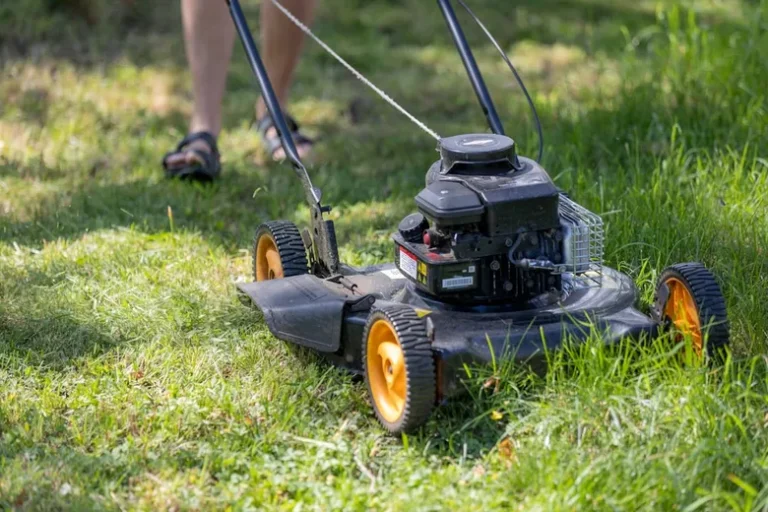
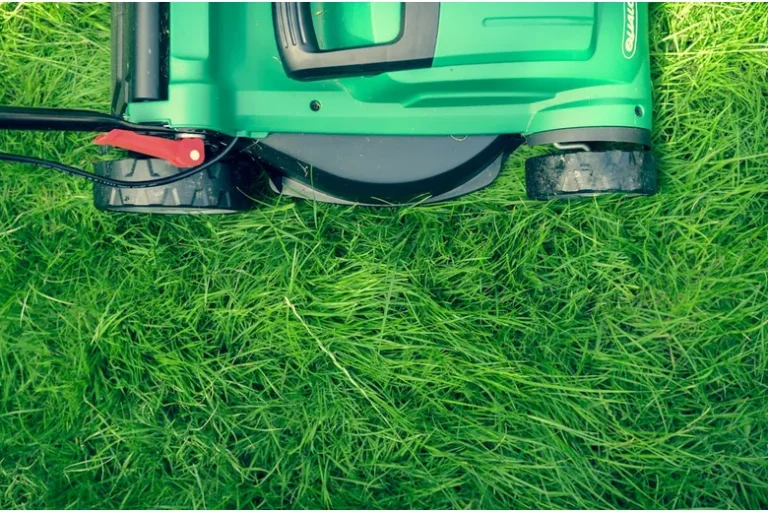
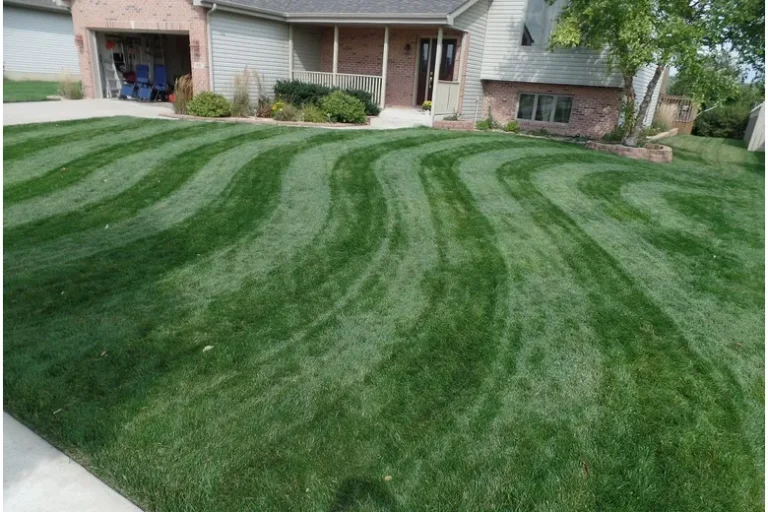
Mowing is more than just cutting grass. The height and frequency affect root depth and weed resistance. Follow the one-third rule: never cut more than one-third of the blade height at once. For most grasses, keep height between 2.5 to 4 inches. Taller grass shades soil, reducing water evaporation and weed germination. Use sharp blades—dull blades tear grass, causing stress and disease.
Mow when the grass is dry. Wet grass clumps and leaves uneven cuts. Alternate your mowing pattern each time to prevent soil compaction and uneven growth. In peak growing season, you may need to mow weekly. During droughts, raise the cutting height and mow less often. Leave grass clippings on the lawn—they return nutrients and reduce fertilizer needs. These lawn mowing tips will keep your grass thick and resilient.
💡 Pro Tip
Water your lawn early in the morning to reduce evaporation and fungal growth. Use a rain gauge to track weekly totals. Deep, infrequent watering encourages deep roots, making your lawn more drought-resistant.
Grass Watering Schedule: How Much and How Often
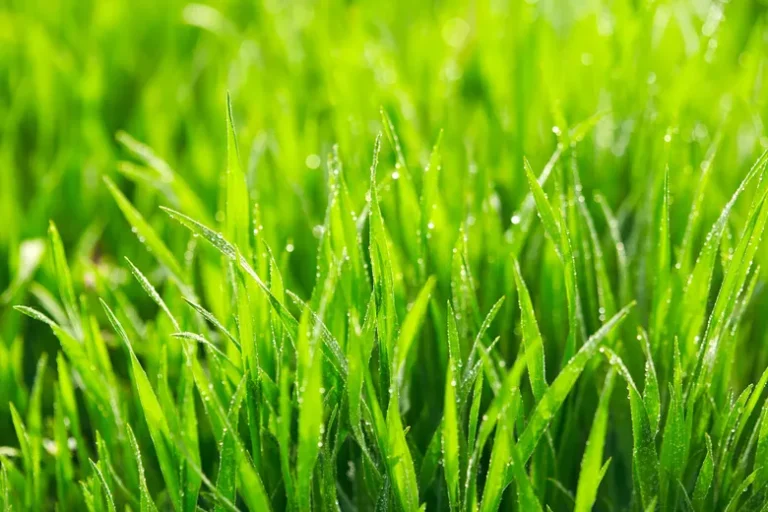
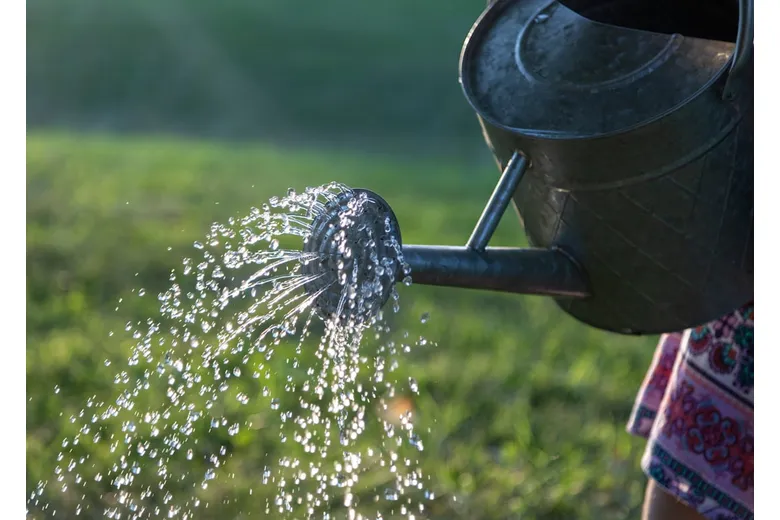
Watering deeply encourages deep roots. Aim for about 1 inch of water per week, including rainfall. Use a tuna can to measure. Water early morning (before 10 a.m.) to reduce evaporation and fungal diseases. Avoid frequent shallow watering—it weakens roots and promotes weeds. Your grass watering schedule should adapt to season: in summer, you may need to water twice weekly; in spring and fall, once a week may suffice.
Watch for signs of wilting: grass folds leaves or turns blue-gray. Footprints that remain visible indicate thirst. Adjust your schedule accordingly. Overwatering is as harmful as underwatering. It leaches nutrients and encourages disease. Use a rain gauge to track natural rainfall. If your area gets heavy rain, skip watering. Consistency is key—irregular watering stresses the lawn.
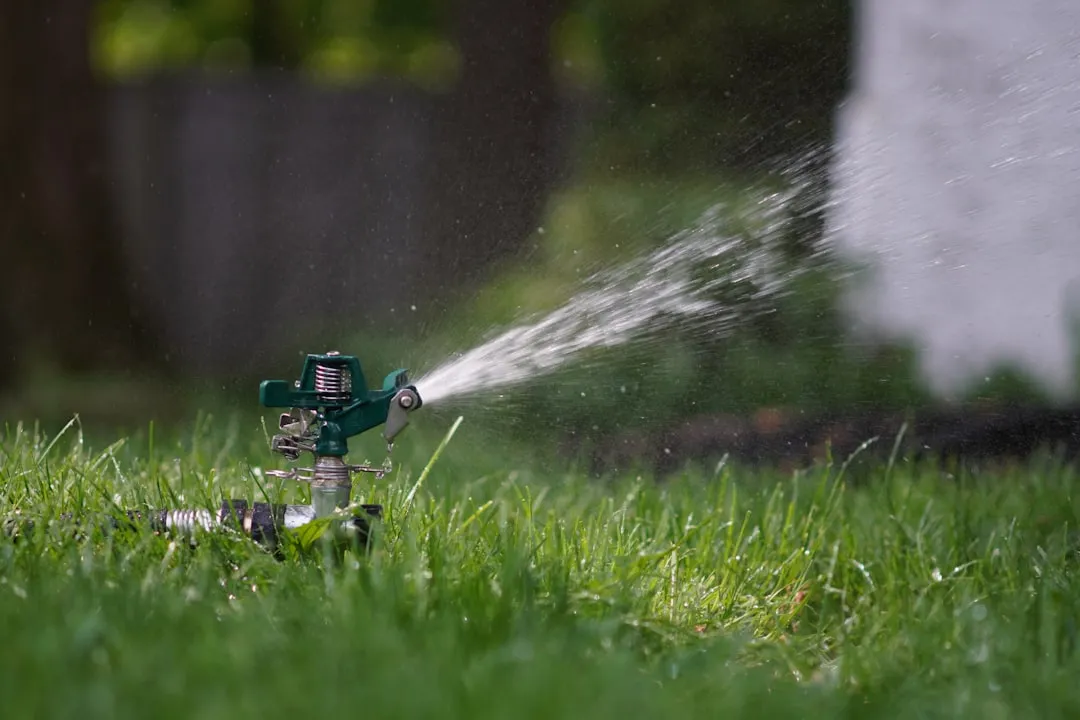
Consider using a smart sprinkler controller that adjusts based on weather. This saves water and prevents overwatering. For small lawns, a manual hose with a sprinkler works fine. Ensure coverage is even—overlap sprinkler patterns to avoid dry spots. Proper watering supports deep root systems, making your lawn more drought-tolerant.
⚠️ Important Note
Never fertilize during a drought or extreme heat—it can burn the grass. Always water immediately after applying synthetic fertilizer, and keep it off driveways to prevent runoff into waterways.
Weed Control Methods That Work
Weeds compete with grass for water, nutrients, and light. The best defense is a healthy, dense lawn. However, if weeds appear, use targeted weed control methods. Start with cultural practices: mow high, fertilize correctly, and water deeply. For existing weeds, hand-pull small infestations. Use a weeder tool to remove roots.
For larger areas, apply pre-emergent herbicides in early spring to prevent crabgrass and annual weeds. Post-emergent herbicides kill existing weeds. Spot-treat rather than blanket spray to protect grass. Choose selective herbicides that kill broadleaf weeds without harming lawn. Read labels carefully. Alternatively, use organic options like corn gluten meal or vinegar for minor issues. Always follow safety guidelines.
Another method is corn gluten meal, a natural pre-emergent. It prevents weed seeds from germinating. Apply in early spring and again in fall. For persistent weeds like dandelions, use a spot spray containing 2,4-D. Remember, a thick lawn is the best weed preventer. Overseed bare patches in fall to crowd out weeds. Combining these weed control methods ensures a weed-free yard without excessive chemicals.
Lawn Fertilization Guide for Optimal Nutrition
Fertilizer supplies essential nutrients: nitrogen (N) for growth, phosphorus (P) for roots, potassium (K) for stress tolerance. A lawn fertilization guide helps you choose the right product and schedule. First, get a soil test to know your soil’s nutrient levels. Based on results, select a balanced fertilizer (e.g., 15-5-10) or a nitrogen-rich one for green-up. Use slow-release formulas to feed gradually.
Fertilize cool-season grasses in early spring and fall. Warm-season grasses benefit from late spring and summer applications. Avoid fertilizing during drought or heat stress—it can burn grass. Apply using a spreader for even coverage. Water lightly after application to move nutrients into soil. Over-fertilization leads to rapid growth, thatch, and pollution. Follow package rates.
Consider organic options like compost or fish emulsion. They improve soil health over time. Synthetic fertilizers provide quick results but can harm beneficial organisms if overused. A yearly top-dressing of compost (½ inch) adds organic matter and nutrients. This lawn fertilization guide ensures your grass gets exactly what it needs, when it needs it.
Soil pH Testing: The Foundation of Lawn Health
Soil pH affects nutrient availability. Most grasses prefer slightly acidic soil (pH 6.0–7.0). Test your soil every 2–3 years. You can buy a DIY kit or send a sample to a lab. DIY kits give quick results. For accuracy, use a lab test through your local extension office. They provide detailed recommendations.
If pH is too low (acidic), add lime. If too high (alkaline), add sulfur or peat moss. Apply amendments in fall or spring, and re-test after a few months. Adjusting pH takes time, but it unlocks nutrients already in soil. This is why soil pH testing is a critical step in how to care for your lawn. Without it, even the best fertilizer may be wasted.
Another benefit: proper pH reduces weed and disease pressure. For instance, crabgrass thrives in low pH. By maintaining optimal pH, you create conditions favorable to grass, not weeds. Make pH testing a regular part of your lawn care routine. It is a small effort with big returns.
Seasonal Lawn Care Calendar
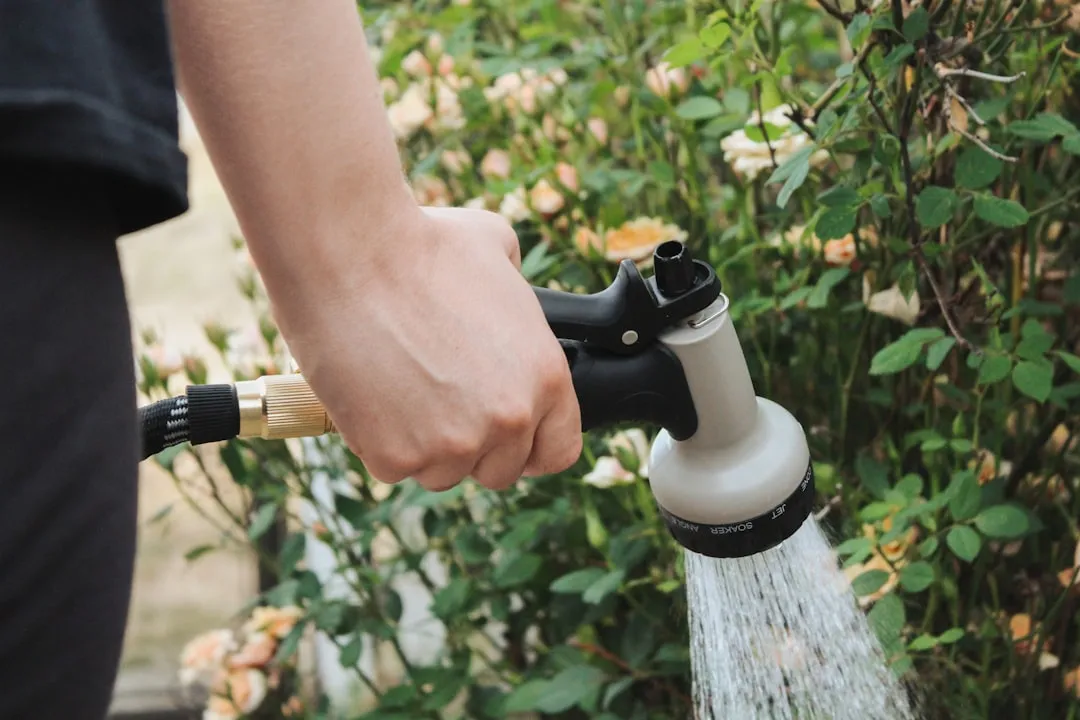
Lawn care changes with seasons. In spring, focus on cleanup, dethatching, and early fertilization. Start mowing when grass reaches 3 inches. Apply pre-emergent weed control. Summer demands careful watering and mowing high. Avoid fertilizing during heat. Fall is for aerating, overseeding, and fertilizing cool-season grasses. It is also the best time for soil pH testing and adjusting. Winter means minimal work—keep off frozen grass and avoid heavy traffic.
Each season has specific tasks. For a complete guide, read our Essential Guide to Lawn Care Success. It covers detailed monthly checklists. Also, if you need a new mower, our How to Buy a Lawn Mower for Home – Buying Guide helps you choose the right model.
Following a seasonal schedule prevents problems before they start. It also spreads out work so you are not overwhelmed. Mark your calendar with reminders. Consistency is the secret to a beautiful lawn.
Frequently Asked Questions
How often should I water my lawn?
Most lawns need about 1 inch of water per week, including rain. Water deeply once or twice a week, early in the morning. Adjust based on weather and grass type.
What is the best height to mow grass?
For most grasses, keep height between 2.5 and 4 inches. Taller grass shades soil, reduces weeds, and promotes deeper roots. Never cut more than one-third of the blade.
When should I fertilize my lawn?
Fertilize cool-season grasses in early spring and fall. Warm-season grasses need feeding in late spring and summer. Always follow a soil test for specific needs.
How do I get rid of weeds without chemicals?
Hand-pull weeds, use a weeder tool, and maintain a thick lawn through proper mowing and watering. Apply corn gluten meal as a natural pre-emergent. Spot-treat with vinegar for small areas.
Conclusion
Knowing how to care for your lawn transforms your yard into a lush, healthy oasis. Start with soil testing, then master mowing, watering, and fertilizing. Use effective weed control and follow a seasonal schedule. These steps are simple but powerful. Your lawn will reward you with beauty and resilience.
Remember, lawn care is a journey. Mistakes happen, but each season you learn. Stay consistent, and do not hesitate to seek help. With this guide, you have all the tools to succeed. Now get outside and enjoy your green space!