How to Get Perfect Lawn Mowing Results
How To Get Perfect Lawn Mowing Results starts with understanding that mowing is both an art and a science. Many homeowners think mowing is just cutting grass, but it is much more. The right approach keeps your lawn healthy, green, and beautiful. This guide shares expert lawn mowing tips to help you achieve a professional look. We cover everything from mowing height to advanced grass cutting techniques. You will learn about lawn striping and the importance of a sharp mower blade. Follow these steps to transform your yard into a showcase.
Your lawn is a living ecosystem. Every cut affects its health. Cutting too short stresses the grass. It leads to weeds and disease. Cutting at the right height encourages deep roots. This makes your lawn drought-tolerant. Mowing frequency also matters. Never remove more than one-third of the leaf blade at a time. That is a cardinal rule. Our lawn mowing tips will help you master timing and technique.
Equipment choice impacts results. A reel mower gives a clean cut. A rotary mower is more common. Either way, keep the blade sharp. A sharp mower blade slices grass cleanly. A dull blade tears it, causing brown tips. That invites disease. We will explain how to check and sharpen your blade. Also, learn about lawn striping patterns. They are not just for show. Striping can actually improve light distribution and growth uniformity.
Key Takeaways
- Main Point: Perfect mowing requires correct height, sharp blade, and proper frequency.
- Actionable Advice: Always follow the one-third rule: never cut more than one-third of the grass height.
- Best Choice/Practice: Sharp blades and consistent mowing schedule yield the best results.
- Expert Insight: Lawn striping is not just cosmetic; it can enhance lawn health by directing light.
- Summary: Master these fundamentals for a lush, healthy lawn that stands out.
Selecting the Right Mowing Height
Mowing height is the most critical factor. Different grass types have different ideal heights. Cool-season grasses like fescue and bluegrass should be 2.5 to 4 inches tall. Warm-season grasses like Bermuda and Zoysia do well at 1 to 2 inches. Cutting too low scalps the lawn. It exposes soil and encourages weeds. Cutting too high can lead to thatch buildup. Use your mower’s height adjustment to set the right level. Measure after mowing to confirm.
Adjust height seasonally. In summer, raise the blade to shade the soil. This retains moisture and reduces stress. In spring and fall, you can cut slightly lower. But never go below the recommended minimum for your grass type. For a perfect lawn, change height gradually. Do not drop more than half an inch at a time. This prevents shock. Your lawn mowing tips should include a seasonal plan for height adjustments.
Here are quick guidelines for common grass types:
- Tall Fescue: 3-4 inches
- Kentucky Bluegrass: 2.5-3.5 inches
- Bermuda Grass: 1-2 inches
- Zoysia Grass: 1-2.5 inches
Measure your grass after mowing. Do not estimate. Use a ruler for accuracy. This simple step prevents mistakes. Remember, a taller lawn shades the soil. It reduces water evaporation. It also crowds out weeds. So err on the higher side if unsure. Your lawn will thank you.
Grass Cutting Techniques for a Clean Finish
Grass cutting techniques go beyond pushing a mower. The pattern you use matters. Mow in different directions each time. This prevents grass from leaning and ruts from forming. Use a straight line for a uniform look. Overlap each pass by a few inches. This avoids missed strips. For slopes, mow across the slope, not up and down. This prevents erosion and mower tipping.
Consider the time of day. Mow in the morning after dew dries. Wet grass clogs the mower and clumps on the lawn. It also spreads disease. Dry grass cuts cleanly. If you must mow in heat, do it later in the afternoon. Avoid mowing during the hottest part of the day. This reduces stress on the grass. Also, keep mower blades sharp. A sharp mower blade gives a clean cut. Dull blades tear the grass. That leads to ragged edges that turn brown.
Here are five essential techniques for a professional finish:
- Alternate mowing direction each time (e.g., north-south one week, east-west next).
- Use a slow, steady pace to avoid stripping.
- Keep the mower deck clean for better airflow.
- Mulch clippings to return nutrients—unless clippings are too long.
- Edge after mowing for clean borders.
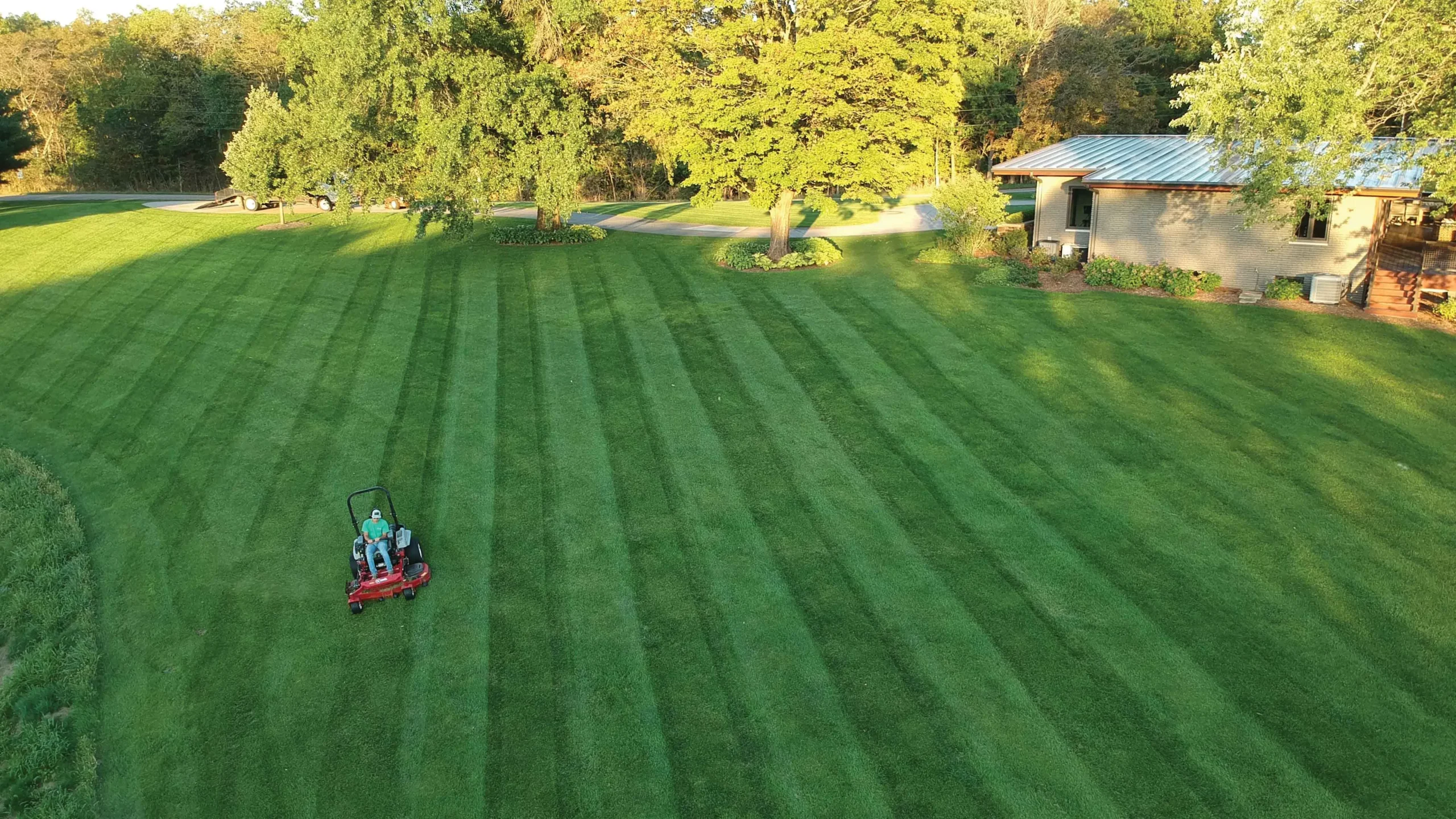
Image source: Backyard
💡 Pro Tip
For professional stripes, mow at a consistent speed and use a roller. Mow in opposite directions each time to avoid grain formation.
Mastering Lawn Striping Patterns
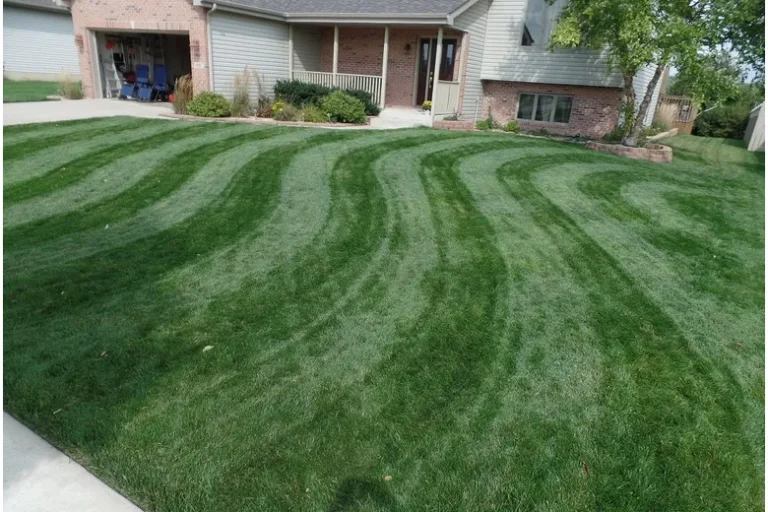
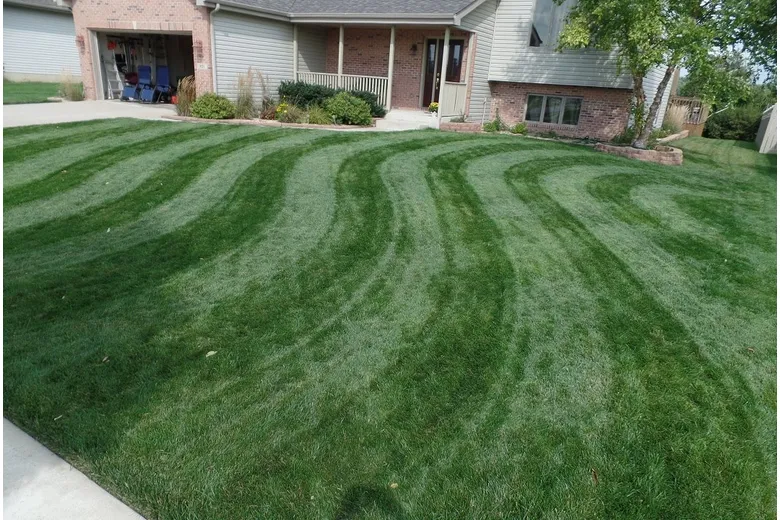
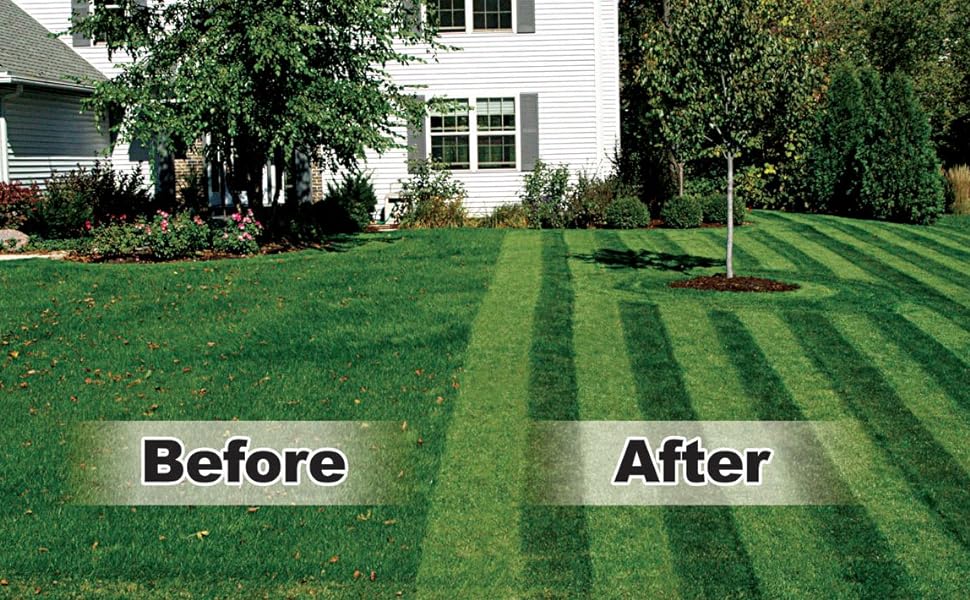
Lawn striping is the art of creating light and dark bands by bending grass in opposite directions. It gives a manicured, athletic field look. You do not need special equipment—just a roller on your mower or even a weighted drag. The key is to mow in straight lines and alternate direction each pass. The light reflects off the bent grass differently. This creates the stripe effect. For a checkerboard, mow in two perpendicular directions on consecutive mowings.
Striping also has practical benefits. The alternating direction prevents grass from laying flat. It encourages upright growth. Striping can also help distribute sunlight and foot traffic. However, do not stripe every time. Vary patterns to avoid compacting soil in the same direction. For best results, mow high (3-4 inches) for deeper stripes. Shorter grass does not bend as much. Also, keep the grass dry. Wet grass does not stripe well.
Try these popular patterns:
- Straight Lines: Simple, classic look. Mow back and forth in parallel lines.
- Checkerboard: Mow north-south one week, east-west the next.
- Diamond: Mow diagonally in both directions over two weeks.
- Waves or Curves: For creative freedom, but harder to maintain.
Remember, lawn striping works best with a roller. Some mowers have built-in rollers. If not, attach a lawn striping kit. You can also drag a heavy pipe or a section of chain-link fence. The weight bends the grass. For perfect stripes, mow at a consistent speed. Do not stop mid-stripe. That creates a visible pause mark.
⚠️ Important Note
Never mow when the grass is wet. Wet clippings clump and can smother the lawn, leading to disease and brown patches.
Maintaining a Sharp Mower Blade
A sharp mower blade is non-negotiable for perfect results. Dull blades tear grass, causing frayed ends that turn yellow. This stresses the lawn and invites disease. Sharpening your blade should be part of your regular maintenance. Check it every 25 hours of mowing. Look for nicks, dents, or a dull edge. You can sharpen with a file, angle grinder, or take it to a shop. Balance the blade after sharpening—an unbalanced blade causes vibration and uneven cutting.
How to sharpen: Remove the blade (disconnect spark plug first!). Clamp it in a vise. Use a file at the original angle (usually 30-45 degrees). File until the edge is shiny and burr-free. Then check balance by hanging the blade on a nail. If one side dips, file more on the heavy side. Reinstall with the sharp side facing the deck. Always wear gloves. A sharp blade cuts clean and reduces mowing time. It also uses less fuel. For more details, see our guide on how to keep your lawn green after mowing.
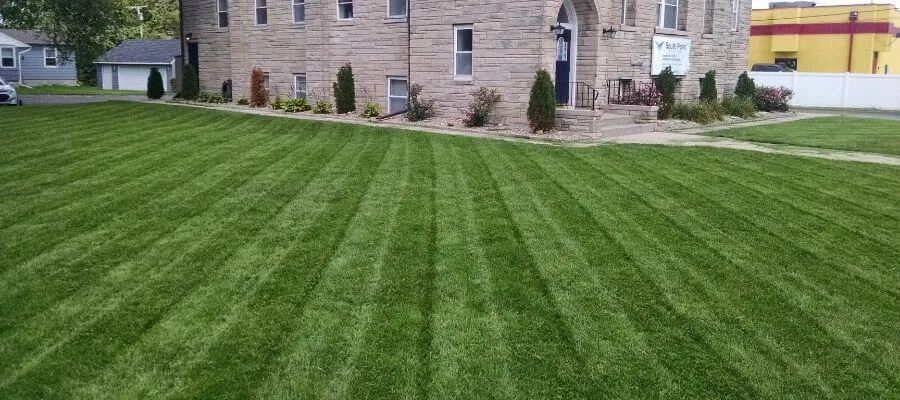
Image source: Milorganite
Mowing Frequency and Timing
How often should you mow? It depends on growth rate. In spring, you may need to mow every 5-7 days. In summer, every 7-10 days. During drought, mow less often. Never let grass grow more than one-third above the ideal height before mowing. For example, if your ideal is 3 inches, mow when it reaches 4.5 inches. That means the cut removes only 1.5 inches. This rule keeps grass healthy. Frequent mowing encourages denser turf. It also prevents weeds from seeding.
Time your mowing for early morning or late afternoon. Avoid midday heat. Also, do not mow when grass is wet. Wet grass clumps and leaves piles. That smothers the lawn. If you must mow wet, collect clippings. For the best lawn mowing tips on timing, check our post on how to mow your lawn for better results. Consistency matters. A regular schedule helps grass adapt. It also makes mowing easier over time.
Dealing with Common Mowing Challenges
Every lawn has trouble spots. Slopes, trees, and edges require special care. On slopes, push mow across the slope for safety. Use a self-propelled mower. For steep slopes, consider a walk-behind trimmer. Around trees, mow in a circle. Keep the mower at least a foot from the trunk to avoid bark damage. Use a string trimmer for edges. This gives a clean border. Also, watch for rocks and sticks. They can damage blades and project dangerously.
Tall grass after a vacation? Do not cut it all at once. Raise the blade and mow, then lower over several days. This gradual approach prevents shock. If clippings are long, bag them. Otherwise, they will smother the grass. For uneven terrain, use a reel mower for a precise cut. Adjust your mowing speed on bumps. Take your time. Rushing leads to scalping and missed spots.
Frequently Asked Questions
What is the best mowing height for my lawn?
The best height depends on grass type. Cool-season grasses: 3-4 inches. Warm-season: 1-2 inches. Keep it tall in summer to retain moisture.
How often should I sharpen my mower blade?
Sharpen every 25 hours of use or at least once per mowing season. Check for nicks regularly. A sharp blade is essential for lawn mowing tips.
Can I mow wet grass?
It is not recommended. Wet grass clogs the mower and clumps. It can also spread disease. Wait until the grass is dry.
What is the one-third rule?
Never cut more than one-third of the grass blade length at once. This prevents stress and keeps the lawn healthy.
Conclusion
Perfect lawn mowing results come from attention to detail. You now have the knowledge: set the right mowing height, use proper grass cutting techniques, experiment with lawn striping, and always maintain a sharp mower blade. Apply these lawn mowing tips consistently. Your lawn will become the envy of the neighborhood.
Remember, mowing is not a chore—it is a skill. Practice makes perfect. Adjust based on your lawn’s unique conditions. Stay patient. Over time, you will develop a routine that works. Enjoy the process and the results. A beautiful lawn adds value to your home and joy to your life.