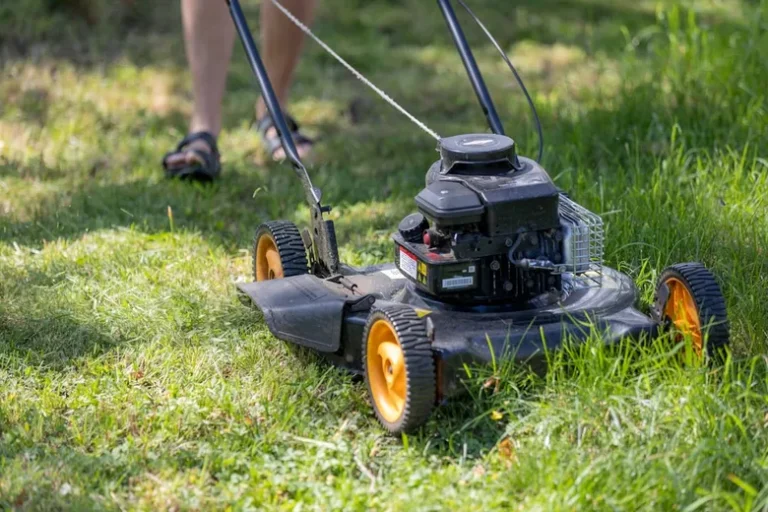
How to Change the Oil on Lawn Mower
Knowing how to change the oil on lawn mower is a vital maintenance task that keeps your engine running smoothly and extends its life. Regular oil changes remove contaminants and ensure proper lubrication. This comprehensive guide will walk you through every step, from gathering tools to disposing of old oil. Whether you own a push mower or a riding mower, the process is similar. Follow along to keep your equipment in top shape.
Changing your mower’s oil every 50 hours of use or at least once per season is recommended by most manufacturers. Neglecting this simple task can lead to engine wear, overheating, and costly repairs. With a few basic tools and about 30 minutes, you can perform a lawn mower oil change yourself and save money on professional service.
In this guide, you’ll learn the exact steps, the right lawn mower oil type to use, and tips for draining lawn mower oil efficiently. We also cover important safety precautions and lawn mower maintenance best practices. Let’s get started.
Key Takeaways
- Main Point: Changing your mower’s oil regularly prevents engine damage and improves performance.
- Actionable Advice: Always warm up the engine before draining to allow oil to flow freely.
- Best Choice/Practice: Use the oil viscosity recommended in your owner’s manual, usually SAE 30 or 10W-30.
- Expert Insight: Check the oil level after refilling and run the engine briefly to circulate oil before checking again.
- Summary: With the right tools and 30 minutes, you can easily change oil yourself and extend your mower’s life.
Why Regular Oil Changes Matter
Engine oil lubricates internal parts, reduces friction, and helps cool the engine. Over time, oil breaks down and accumulates dirt, debris, and combustion byproducts. If you neglect lawn mower oil change, these contaminants can cause sludge and varnish buildup, leading to reduced performance and engine failure. Regular lawn mower maintenance includes changing oil to keep the engine clean and efficient.
Most manufacturers recommend changing oil after the first 5 hours of use for a new mower, then every 50 hours or once a season. For heavy use, change more often. A well-maintained mower starts easier, runs smoother, and lasts longer. It also helps maintain fuel efficiency and reduces emissions.
Tools and Materials You Need
Before you begin, gather the following items:
- Engine oil (check your manual for the correct lawn mower oil type and viscosity)
- Oil drain pan or container
- Socket or wrench set (to remove drain plug)
- Funnel (to avoid spills)
- Shop rags or paper towels
- Gloves (optional but recommended)
- Oil filter wrench (if your mower has an lawn mower oil filter)
- New oil filter (if applicable)
Having the right tools makes draining lawn mower oil cleaner and faster. Choose a drain pan large enough to hold all the old oil. If your mower has an oil filter, purchase a replacement that matches your engine model.
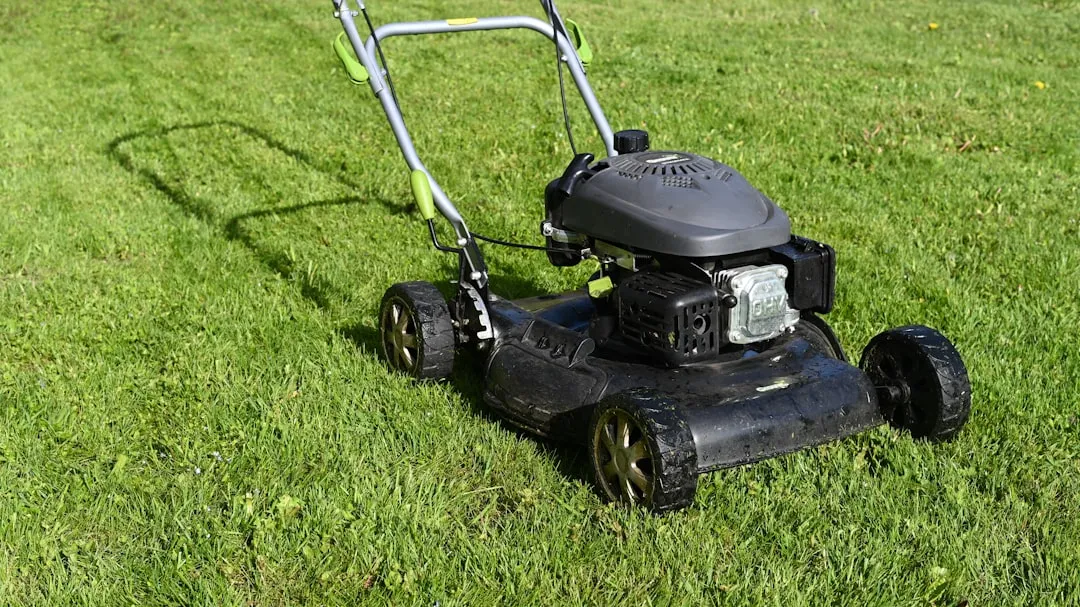
💡 Pro Tip
To drain oil faster and more completely, run the engine for 3–5 minutes to warm the oil. Warm oil flows like honey and removes more sediment. Also, tilt the mower toward the drain side slightly (but away from the air filter) to collect every drop.
Step-by-Step Oil Change Process
Step 1: Prepare the Mower
Run the engine for a few minutes to warm the oil. Warm oil flows faster and drains more completely. Park the mower on a level surface and turn off the engine. Disconnect the spark plug wire to prevent accidental starting. Remove the oil cap or dipstick to allow air to enter, aiding drainage.
Step 2: Drain the Old Oil
Place the drain pan under the oil drain plug. Use a socket or wrench to remove the plug carefully. Let the oil drain completely. On some mowers, you may need to tilt the mower to drain more oil, but avoid tipping it toward the air filter side. Inspect the old oil for metal particles or excessive dirt, which may indicate internal wear.
Step 3: Replace the Oil Filter (If Equipped)
If your mower has an oil filter, remove the old one using an oil filter wrench. Apply a thin layer of new oil to the rubber gasket of the new filter. Screw it on by hand until snug, then tighten an extra half turn. Never over-tighten.
Step 4: Refill with New Oil
Reinstall the drain plug and tighten it securely. Place a funnel in the oil fill tube and pour in the recommended amount of new oil. Check your owner’s manual for capacity and lawn mower oil type. Use a measuring cup if needed. Replace the oil cap or dipstick.
Step 5: Check Oil Level
Run the engine for a minute, then shut it off. Wait a few minutes for oil to settle. Remove the dipstick, wipe it clean, reinsert fully, then remove again. The oil level should be between the minimum and maximum marks. Add more oil if necessary. Do not overfill.
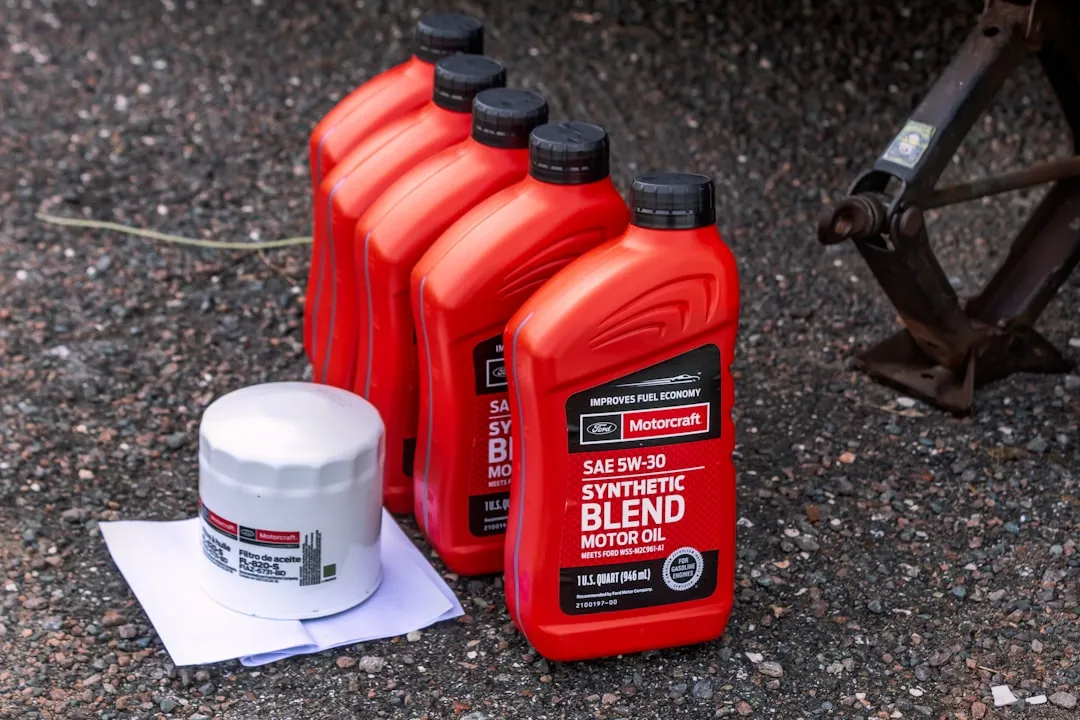
⚠️ Important Note
Never overfill the oil tank. Check the dipstick after adding a small amount and repeat until the level is between the minimum and maximum marks. Overfilling can cause leaking, smoking, and engine damage. Also, always dispose of used oil at a recycling center—never pour it down a drain or into the ground.
Choosing the Right Oil Type
Using the correct lawn mower oil type is crucial for engine protection. Most small engines require SAE 30 viscosity for warm-weather operation. For colder climates, 10W-30 is a good multi-grade option. Synthetic oils provide better protection and longer intervals but cost more. Always check your owner’s manual for the recommended oil classification, typically API service classification SJ or higher.
Common Oil Viscosities
- SAE 30: Best for temperatures above 40°F (4°C). Common in push mowers and tractors.
- 10W-30: Suitable for a wider temperature range (above 0°F). Often used in newer engines.
- 5W-30: For very cold conditions. Rarely needed but available.
Using the wrong viscosity can cause poor lubrication or increased wear. Do not use automotive oil additives or mixes. Stick to the manufacturer’s recommendation for your specific engine.
Disposing of Used Oil Properly
Used motor oil is hazardous waste and must be disposed of responsibly. Never pour it down drains, on the ground, or in trash cans. Collect the old oil in a sealed container and take it to a local recycling center, auto parts store, or waste facility that accepts used oil. Many municipalities have free drop-off programs. Proper disposal protects the environment and complies with local regulations.
You can also reuse the drain pan for future oil changes. Label it clearly to avoid mixing with other fluids. Recycling one gallon of used oil can save energy and produce new lubricants. Do your part for lawn mower maintenance and the planet.
For more guidance on selecting the right equipment, check out our guide on How to Buy a Lawn Mower for Home to ensure you choose a reliable machine that suits your needs.
Frequently Asked Questions
How often should I change the oil in my lawn mower?
Change oil after the first 5 hours for a new mower, then every 50 hours or at least once per season. If you use the mower heavily, change more frequently.
Can I use car oil in my lawn mower?
It depends. Most lawn mowers require SAE 30 or 10W-30 oil. Some car oils may work, but check the manual. Avoid energy-conserving oils with friction modifiers, as they can cause clutch slippage in some mowers.
What happens if I put too much oil in my lawn mower?
Overfilling can cause oil to leak into the air filter, smoke, or damage the engine. Always check the dipstick and add oil gradually.
Do all lawn mowers have an oil filter?
No. Many push mowers do not have an oil filter. Riding mowers and larger engines often do. Check your owner’s manual to see if your model includes an lawn mower oil filter.
Conclusion
Learning how to change the oil on lawn mower is a simple yet crucial part of lawn mower maintenance. With basic tools and regular care, you can keep your engine running reliably season after season. Remember to warm the engine, use the correct lawn mower oil type, and dispose of old oil properly. By following this step-by-step guide, you save money and extend the life of your equipment.
For additional help choosing the perfect mower for your yard, read our article on How to Choose a Right Lawn Mower for You. Consistent oil changes and overall care will ensure your mower starts every time and cuts grass efficiently.