How to Drain a Lawn Mower Oil
How to drain a lawn mower oil is a simple yet essential skill for any lawn mower owner. Regular oil changes keep your engine healthy and extend its life. This guide walks you through the entire process, from gathering tools to proper small engine oil disposal. You don’t need to be a mechanic to do this job yourself.
Changing your lawn mower oil at least once a season prevents engine wear and buildup. The process takes about 15 minutes. It also saves you money on professional maintenance. Follow these steps to keep your mower in top shape.
Before you start, make sure you have the right materials. You will need fresh oil, a drain pan, a wrench, and a funnel. Always consult your owner’s manual for the correct oil type and capacity. This article focuses on how to drain a lawn mower oil safely and efficiently.
Key Takeaways
- Main Point: Learning how to drain a lawn mower oil is a quick, DIY task that protects your engine.
- Actionable Advice: Always drain oil when the engine is warm but not hot; warm oil flows out faster.
- Best Choice/Practice: Use a high-quality oil recommended by your mower’s manufacturer for best results.
- Expert Insight: After draining, replace the oil filter if your mower has one to ensure complete lawn mower oil replacement.
- Summary: Regular lawn mower maintenance including oil changes keeps your mower reliable and extends its lifespan.
Prepare for the Oil Change
Safety first. Park your mower on a flat, level surface. Disconnect the spark plug wire to prevent accidental starting. Gather your supplies: new oil, a drain pan (capacity enough to hold old oil), a socket wrench or combination wrench, a funnel, and shop rags. If your mower has an oil filter, you’ll need a filter wrench and a new filter. This preparation makes the lawn mower oil change smooth and stress-free.
Select the Right Oil
Check your owner’s manual for the correct oil viscosity (e.g., SAE 30, 10W-30) and API service classification. Using the wrong oil can damage the engine. For most modern mowers, SAE 30 is common for warm weather, while 10W-30 works in a wider temperature range. Always use high-detergent oil designed for small engines. This step is crucial for proper lawn mower maintenance and engine longevity.
While preparing, also consider your mower type. Walk-behind mowers usually have a drain plug at the bottom. Riding mowers may have a drain tube. Knowing your mower’s design helps you drain oil from lawn mower without mess. Always have a plan for small engine oil disposal – never pour old oil down drains or onto the ground. Recycle it at an auto parts store or local waste facility.
Step-by-Step: How to Drain a Lawn Mower Oil
Follow these simple steps to drain oil from lawn mower efficiently. The process is similar for most push and riding mowers. Always ensure the engine is cool enough to touch but still warm to allow the oil to flow freely.
Step 1: Warm Up the Engine
Run the mower for 3-5 minutes to warm the oil. Warm oil drains faster and carries more contaminants. Do not let the engine get hot – warm is ideal. This step makes the lawn mower oil change more effective.
Step 2: Position the Drain Pan
Locate the oil drain plug under the mower deck or on the side of the engine. Place the drain pan directly under the plug. If your mower has a drain tube, attach a hose to direct oil into the pan. This prevents spills and makes how to drain a lawn mower oil a clean job.
Step 3: Remove the Drain Plug
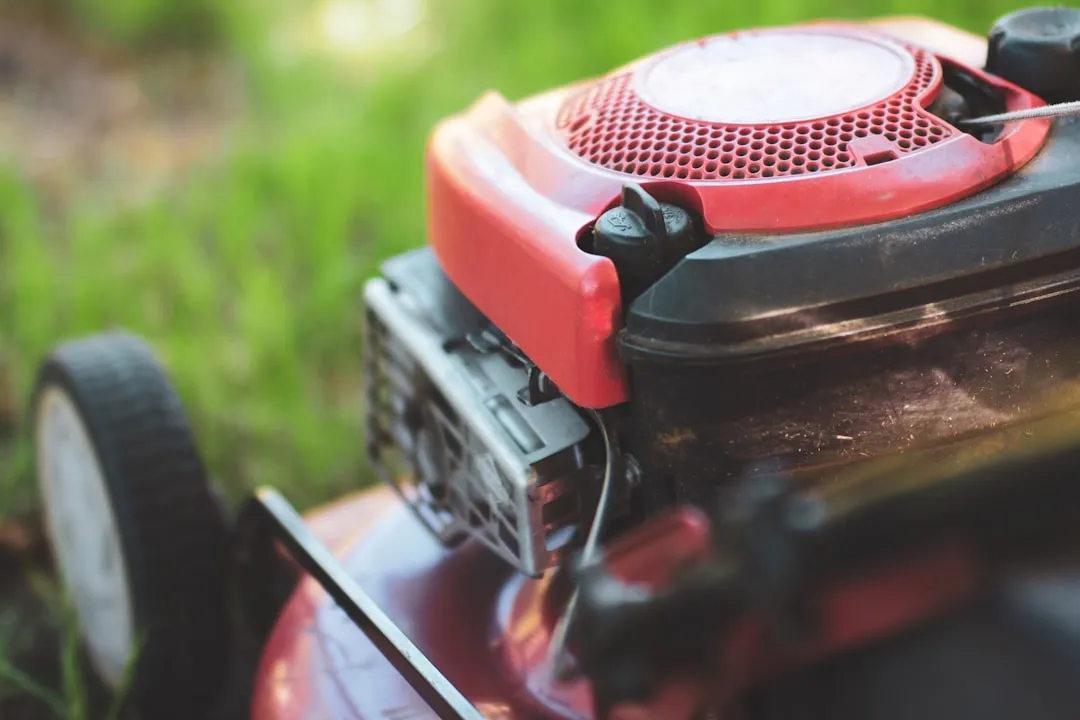
Use the correct wrench to loosen the drain plug. Turn it counterclockwise until it can be removed by hand. Be careful as a little oil may seep out. Let the oil drain completely into the pan. This usually takes 2-3 minutes. While draining, you can also remove the oil fill cap to speed up flow.
💡 Pro Tip
Always warm the engine for a few minutes before draining. Warm oil flows faster and drains more completely, removing more contaminants.
Replace the Oil and Filter
After the old oil has fully drained, reinstall the drain plug. Tighten it securely but do not overtighten. If your mower has a oil filter, remove the old one using a filter wrench. Apply a thin coat of new oil to the new filter’s gasket, then screw it on by hand until snug. This step ensures complete lawn mower oil replacement.
Add New Oil
Pour a small amount of new oil into the engine using a funnel. Check the dipstick and fill to the correct level. Do not overfill. It’s better to add a little at a time. Start with about half the capacity, then check. Repeat until the level is between the marks. Proper lawn mower maintenance includes correct oil levels.
After filling, replace the oil fill cap and clean up any spills. Reconnect the spark plug wire. Start the engine and let it run for a minute. Check for leaks around the drain plug and filter. Turn off the engine and recheck oil level, adding more if needed. This final check is a key part of how to drain a lawn mower oil correctly.
⚠️ Important Note
Never dispose of used oil by pouring it on the ground or down drains. Always recycle used oil at an auto parts store or hazardous waste facility.
Proper Disposal of Used Oil
Never throw used oil in the trash or pour it on the ground. It is hazardous to the environment. Take it to a recycling center like an auto parts store or a household hazardous waste facility. Many places accept up to five gallons per visit. This responsible small engine oil disposal protects the planet and complies with regulations.
- Store used oil in a clean, leak-proof container with a tight lid.
- Label the container as “used motor oil.”
- Keep separate from other fluids like gasoline or coolant.
Recycling used oil helps conserve resources. One gallon of used oil can produce new lubricating oil. Also, used oil filters can be recycled. Drain them thoroughly and take them to the same collection site. Proper disposal completes the lawn mower oil change process responsibly.

Common Mistakes to Avoid
Many DIYers make simple errors during a lawn mower oil change. Avoid these to keep your mower healthy. One common mistake is draining oil when the engine is cold – the oil is thicker and doesn’t drain completely. Always warm it up slightly. Another error is overtightening the drain plug, which can strip threads. Hand-tighten plus a quarter turn is enough.
Overfilling or Underfilling
Too much oil can cause foaming and leaks. Too little oil leads to insufficient lubrication. Always check the dipstick after adding oil. A good practice is to add a small amount, wait a minute, then check. This ensures accurate measurement. Remember that lawn mower maintenance includes correct oil levels.
Many neglect to change the oil filter if they have one. A clogged filter reduces oil flow and can damage the engine. Always replace the filter during every oil change. This is a simple but vital step in how to drain a lawn mower oil and replace it.
When to Change Your Lawn Mower Oil
Most manufacturers recommend changing oil after the first five hours of use for a new mower, then every 50 hours or once a season. Check your manual for exact intervals. If you mow in dusty conditions, change more often. Regular oil changes are the cornerstone of lawn mower maintenance and keep your machine reliable.
If the oil looks dark, gritty, or smells like gasoline, change it immediately. Gas in oil indicates a problem with the carburetor or fuel system. Address that issue first. Also, if your mower starts smoking or runs rough, check the oil. Proper lawn mower oil replacement can solve many performance issues.
Frequently Asked Questions
How often should I change lawn mower oil?
Change it every 50 hours of use or once per season. For new mowers, change after the first 5 hours. Always follow your owner’s manual.
Can I use car oil in my lawn mower?
It’s best to use oil specifically for small engines, such as SAE 30 or 10W-30. Car oil may not have the right additives for air-cooled engines.
What happens if I don’t change the oil?
Dirty oil can clog the engine and cause overheating, reduced performance, and eventual engine failure. Regular lawn mower maintenance prevents costly repairs.
How do I dispose of used lawn mower oil?
Take it to an auto parts store or recycling center. Never pour it down the drain or on the ground. Small engine oil disposal should be responsible.
Conclusion
Learning how to drain a lawn mower oil is a valuable skill. It saves you money and keeps your mower running smoothly. With the right tools and steps, you can perform this task in under 20 minutes. Always prioritize safety and proper disposal.
Regular lawn mower oil changes are part of routine lawn mower maintenance. They extend engine life and improve performance. For more help choosing the right mower, read our guide on how to buy a lawn mower for your home. Also, check out our tips on how to choose the right lawn mower for you.