How to Dispose of Lawn Mower
When your lawn mower breaks down beyond repair or you upgrade to a new model, you face the question: how to dispose of lawn mower properly. Many people think it is simple to throw it in the trash. But that can be harmful to the environment and may violate local laws. This guide covers all the best lawn mower disposal options including lawn mower recycling, scrap metal lawn mower drop-offs, and how to dispose of gas lawn mower safely. We explain each method step by step.
Improper disposal of a lawn mower can release oil, gas, and battery acid into the soil. These chemicals pollute groundwater and harm wildlife. Many communities have strict rules about throwing away engines and metal parts. To stay legal and eco-friendly, you need a plan. You can recycle, donate, sell, or take it to a special facility. The right choice depends on the mower’s condition and your location.
This article will help you understand every option. You will learn how to prepare your mower for disposal. We also cover small engine disposal rules and give tips for getting the best value. By the end, you will know exactly what to do with your old machine.
Key Takeaways
- Main Point: You have multiple ways to dispose of a lawn mower. Recycling and scrap metal drop-offs are best for the planet.
- Actionable Advice: Always drain all fluids – oil, gas, and battery acid – before moving the mower for disposal.
- Best Choice/Practice: For gas mowers, recycling centers that accept mixed metals are the most responsible option.
- Expert Insight: Many local waste authorities offer free or low-cost appliance pickup days. Check their schedule first.
- Summary: Don’t just toss it in the trash. Use one of the safe, legal, and eco-friendly methods outlined in this guide.
Lawn Mower Recycling Centers
One of the most popular lawn mower disposal options is taking the machine to a lawn mower recycling center. These facilities specialize in breaking down metal parts and safely handling hazardous fluids. They often accept both push mowers and riding mowers.
Most recycling centers charge a small fee for non-ferrous metals. But many accept steel and iron for free because scrap metal has value. Call ahead to confirm what they take and if they require you to remove the engine or tires.
When you recycle, you keep valuable metals in use. You also prevent oil and gas from leaking into the ground. This method works well for scrap metal lawn mower disposal because mowers contain steel, aluminum, copper, and sometimes brass.
Finding a Recycling Center Near You
Use online tools like Earth911 to find a lawn mower recycling drop-off point. Enter your ZIP code and search for “lawn mower” or “small engine disposal.” Many centers also accept other power equipment, so you can drop off old trimmers or blowers at the same time.
Some centers require you to remove the battery and tires yourself. Others handle everything for a fee. Always call first to avoid wasted trips. This simple step saves time and ensures you meet all requirements.
Scrap Metal Yards for Cash
If your mower is mostly metal and you want to earn money, a scrap metal lawn mower yard is a great option. Scrap yards pay by weight for ferrous and non-ferrous metals. A typical push mower weighs about 40-60 pounds, so you may get $5–10. Riding mowers can bring $20 or more.
You need to remove all non-metal parts like plastic decks, rubber tires, and fabric seats. Most yards also require you to drain fuel and oil. Bring the mower disassembled if possible, as it saves you time and the yard may pay a higher rate.
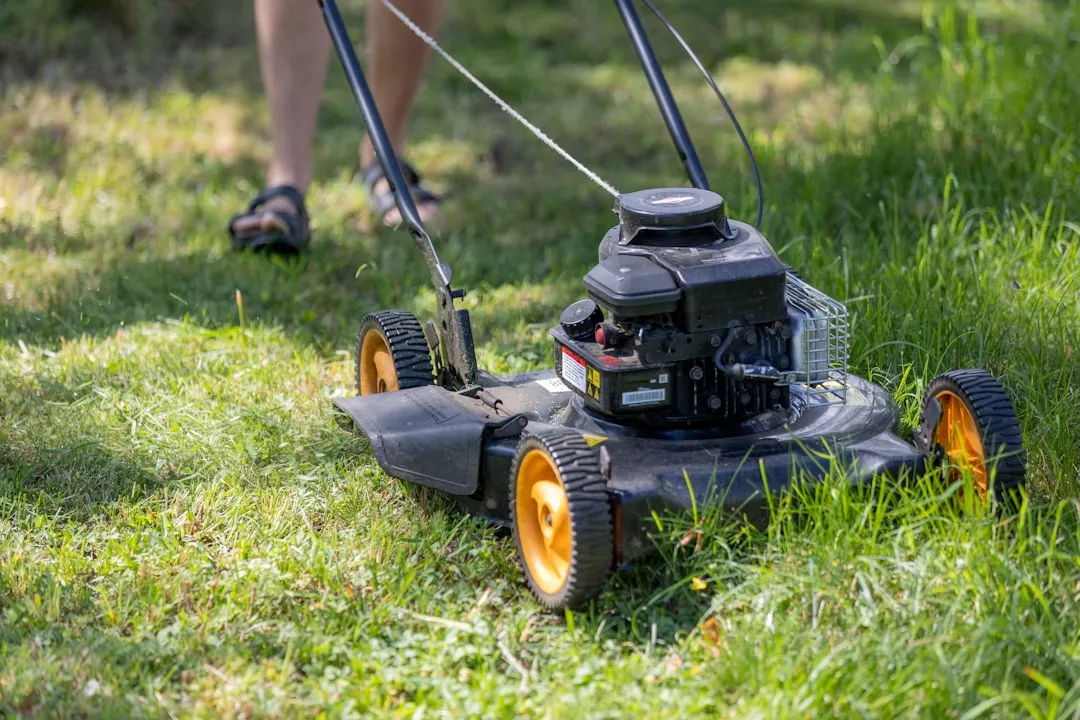
Before you go, check the scrap yard’s policies on small engine disposal. Some accept engines as part of the scrap, while others want them removed. Engines contain valuable metals too, so you may get a higher price keeping them attached. Ask the yard what they prefer.
Preparing Your Mower for the Scrap Yard
Drain all fluids completely. Remove plastic covers, seat cushions, and rubber parts. Cut off any non-metal attachments like grass catchers. Separate metal from non-metal to maximize payout. Bring a magnet to test if parts are ferrous (stick) or non-ferrous (won’t stick). Non-ferrous metals like aluminum pay more.
Wear gloves and safety glasses when disassembling. Mower blades are sharp and springs can snap. Work in a well-ventilated area to avoid fumes from residual gas.
💡 Pro Tip
When taking a lawn mower to a scrap yard, call ahead to ask if they accept engines attached and which metals pay the highest rate. Also, separate non-ferrous metals like aluminum and copper for a better price.
Donate Your Old Mower
If your mower still runs or is in decent shape, consider donating it. Charities like Goodwill, The Salvation Army, and local community workshops often accept used lawn equipment. They may resell it to fund programs or give it to someone in need.
Before donating, ensure the mower is clean and safe to operate. Remove any hazardous fluids if the organization requires it. Some places only take non-gas items due to storage rules. Check their policy on dispose of gas lawn mower fluids – you may need to drain it first.
Donating is one of the best lawn mower disposal options because it extends the life of the equipment. It also keeps it out of landfills. You can also list it on Freecycle or Facebook Marketplace for free pickup.
Tax Deductions for Donations
If you donate to a registered nonprofit, you can deduct the fair market value on your taxes. Keep a signed receipt from the organization. Take a photo of the mower as proof of condition. The deduction typically ranges from $25 to $100 depending on the mower’s age and condition.
Contact the charity first to confirm they accept lawn mowers. Many have limited space for large items. Some even offer free home pickup for donations.
⚠️ Important Note
Never dispose of lawn mower fluids by pouring them on the ground or down drains. Collect oil, gas, and battery acid in sealed containers and take them to a hazardous waste facility. Fines and environmental damage can result from improper disposal.
Municipal Bulk Waste Pickup
Many cities offer bulk waste pickup for large items like lawn mower recycling through special collection days. You place the mower at the curb on a designated date. The city then hauls it away, often sending metal parts to a recycler.
You normally need to schedule this service or follow a seasonal calendar. Some municipalities charge a small fee per item. Others include it in your regular trash service. Check your city’s waste management website for details.
Before you put the mower out, remove all hazardous materials. That means drain oil and gas. Remove the battery if it is removable. Tape any sharp blades to prevent injury to collection workers. Follow your city’s rules to avoid fines or non-collection.
What to Expect on Pickup Day
Place the mower at the curb by 6 a.m. on the scheduled day. Do not block sidewalks or driveways. Some cities require you to separate metal parts from plastics. If you have a riding mower, you may need to drain the fuel tank completely. Check local guidelines for small engine disposal because engines may need to be removed.
If you miss the pickup, you may have to wait until the next collection cycle. Alternatively, you can drive it to a transfer station yourself. Many cities have drop-off centers open year-round.
Sell or Trade In Your Mower
If your mower still works, selling it is a great way to avoid disposal hassle. List it on Craigslist, Facebook Marketplace, or OfferUp. Even a non-running mower can be sold for parts. A broken engine might still have a good deck, wheels, or handle. Many DIY mechanics love cheap project mowers.
Before selling, clean the mower thoroughly – a clean machine sells faster. Take clear photos showing all sides. Be honest about the condition. If you used the guide on buying a lawn mower for home when you purchased it, you can use similar checklist criteria to describe features. This helps buyers know what they are getting.
Some dealers also accept trade-ins when you buy a new mower. Ask at local hardware stores or power equipment shops. They may give you a credit of $20–50 toward a new model. This avoids the need for lawn mower disposal options entirely.
Tips for a Quick Sale
- Price competitively based on similar listings in your area.
- Include a short video showing the mower starting or moving.
- Offer to help load it into the buyer’s truck.
- Meet in a public place for safety.
If you are buying a replacement, check our article on how to choose the right lawn mower for you to find the perfect model.
Frequently Asked Questions
Can I throw a lawn mower in my regular trash?
Most cities do not allow lawn mowers in regular trash because of the fluids and metal parts. You can face fines. Use a bulk pickup or recycling option instead.
How do I dispose of gas from a lawn mower?
Use a siphon pump to remove fuel into an approved container. Take the gas to a hazardous waste facility. Never pour it down the drain or on the ground.
Is it legal to scrap a lawn mower without draining the oil?
No, scrap yards require all fluids to be drained. Oil and gas are hazardous and must be handled properly. Drain them before transport.
What parts of a lawn mower are valuable for scrap?
Copper wiring, aluminum deck, steel frame, and brass fittings have good scrap value. Remove these parts separately if you want maximum cash.
Conclusion
Knowing how to dispose of lawn mower properly keeps your community clean and safe. You have many options: recycle at a center, sell to a scrap yard, donate, use municipal pickup, or sell it yourself. Each method has its own steps, but all protect the environment.
Always drain fluids first. Check local rules. Choose the option that fits your time and money goals. By following this guide, you can responsibly dispose of your old mower and even earn a little cash. Now you can confidently handle your next mower upgrade or replacement.