
Essential Guide to Lawn Care Success
lawn care is the foundation of a beautiful outdoor space. A healthy yard requires consistent attention and proper techniques. Understanding the basics helps you avoid common problems. This guide provides practical steps for maintaining vibrant grass all season. You will learn key strategies for watering, mowing, and protecting your lawn.
Many homeowners struggle with patchy grass and weeds. These issues often stem from incorrect practices. Following a few core principles can transform your yard. Proper soil preparation and nutrient management are vital. Consistent effort ensures your lawn remains lush and green.
Planning Your Lawn Care Routine
Understanding Your Grass Type
Different grass species need specific care. Cool-season grasses grow best in northern climates. Warm-season grasses thrive in southern regions. Identifying your grass type is the first step. This knowledge guides your watering and feeding schedule. You can find this information in local gardening resources or via how to choose a right lawn mower for you.
Climate, sun exposure, and foot traffic affect growth. Observe your lawn throughout the year. Note where grass looks healthy or stressed. Adjust your routine based on these observations. A tailored plan produces the best results.
Essential Maintenance Practices
Mowing Techniques For Health
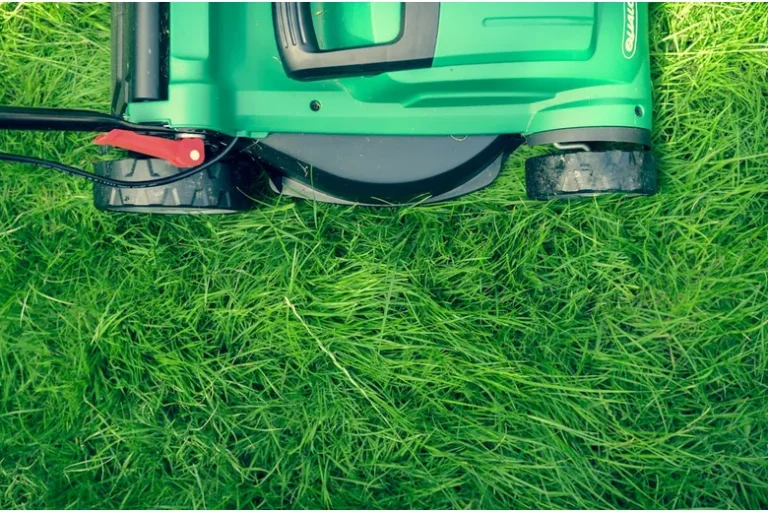
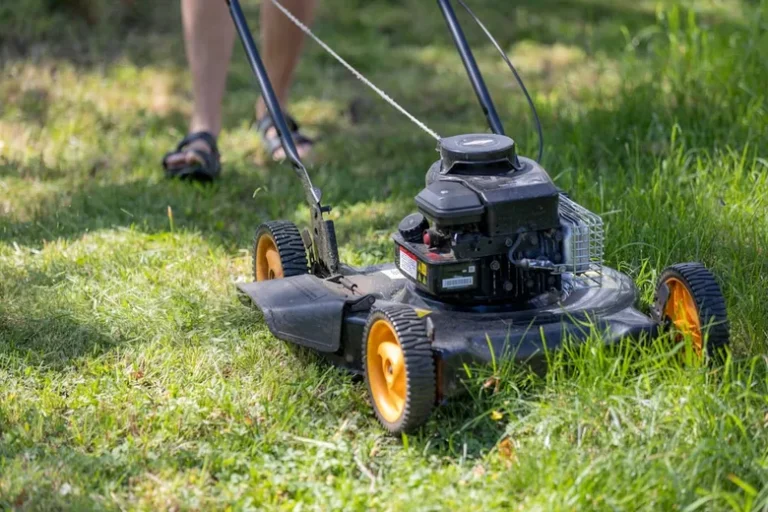
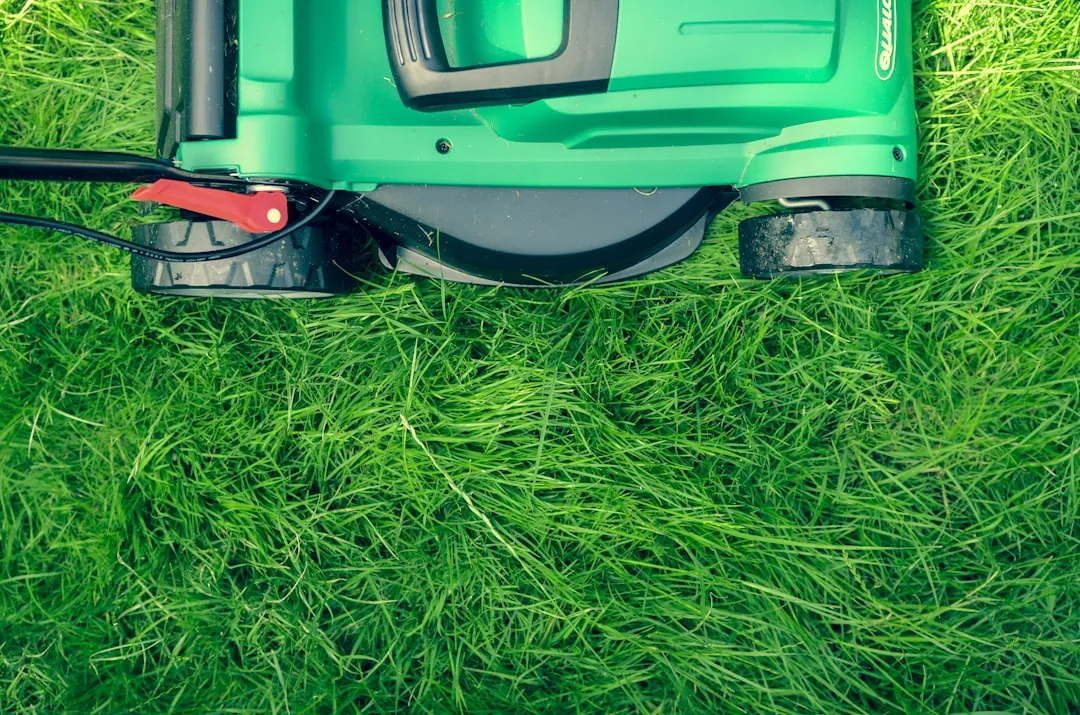
Correct mowing keeps grass strong and dense. Never remove more than one third of the blade height. Cutting too short stresses the plant and invites disease. Sharp mower blades create clean cuts. Dull blades tear the grass, leading to browning. Vary your mowing pattern to prevent soil compaction.
- Mow when the grass is dry to prevent clumping.
- Alternate directions each time you mow.
- Leave clippings to return nutrients to the soil.
- Adjust height seasonally for heat or cold stress.
Following these lawn mowing tips reduces maintenance time. It also promotes deeper root growth. A dense lawn naturally blocks weeds.
💡 Pro Tip
Mow frequently but remove no more than one third of the blade height to reduce stress and promote healthy regrowth.
Watering For Deep Roots
Deep watering encourages roots to grow downward. Shallow watering creates weak surface roots. Apply about one inch of water weekly. Split this into two sessions during hot weather. Water early in the morning to reduce evaporation and disease risk.
Use a rain gauge to track moisture. Avoid watering in the evening. Wet grass overnight invites fungal problems. Check soil moisture before automatic irrigation. A solid lawn watering schedule conserves water and improves lawn health.
Feeding And Protecting Your Lawn
Applying Lawn Fertilizer Correctly
Fertilizer provides essential nutrients for growth. Nitrogen supports leaf color and density. Phosphorus aids root development. Potassium improves disease resistance. Test your soil before applying fertilizer. This prevents overfeeding and waste.
Use a spreader for even coverage. Follow package instructions carefully. Timing matters for effectiveness. Apply cool-season grass in early spring and fall. Warm-season grass benefits from late spring feeding. Proper fertilization leads to dark green, resilient turf.
⚠️ Important Note
Avoid overwatering and evening watering to prevent disease and wasted water.
Effective Weed Control
Weeds compete with grass for water and nutrients. Pre-emergent treatments stop seeds from sprouting. Apply these in early spring before germination. Post-emergent products target existing weeds. Spot treat broadleaf weeds for precision.
Manual removal works for small infestations. Use a weeding tool to extract the entire root. Maintain dense grass to naturally suppress weeds. A healthy lawn is the best weed control. Combine cultural practices with selective herbicides for best results.
Troubleshooting Common Problems
Identifying And Solving Issues
Yellow patches often indicate watering problems. Brown spots may signal disease or pests. Bare areas need overseeding or soil repair. Compacted soil prevents root growth. Aerate the lawn annually to relieve compaction. Thatch buildup blocks air and water. Dethatch in early spring if thickness exceeds half an inch.
Insect damage shows as chewed blades or brown patches. Grubs attract birds and skunks. Use appropriate insecticides if needed. Fungal diseases appear as rings or powdery coatings. Improve air circulation and adjust watering. Quick action prevents permanent damage.
Seasonal Adjustments
Your routine must change with the seasons. Spring focuses on cleanup and feeding. Summer requires heat stress management and drought monitoring. Fall is the prime time for aeration and seeding. Winter needs protection from cold and heavy traffic.
Prepare grass for winter with one final feeding. Remove leaves to prevent smothering grass. Adjust mower height lower for the last cut. These seasonal steps ensure vigor when growth resumes in spring.
Advanced Lawn Care Strategies
Soil Health And Aeration
Soil is the foundation of a thriving lawn. Test pH and nutrient levels yearly. Ideal pH is between 6.0 and 7.0 for most grasses. Amend soil with compost to improve structure. Healthy soil grows deep roots and resists drought.
Aeration relieves soil compaction. It allows air, water, and nutrients to reach roots. Core aeration removes plugs of soil. Perform this task in spring or fall. Overseeding after aeration fills bare spots and thickens turf. This combination rejuvenates tired lawns.
Water Conservation Methods
Efficient watering saves resources and money. Install drip irrigation for beds and edges. Use soaker hoses for precise delivery. Water deeply but infrequently to build resilience. Mulch around trees and shrubs to retain moisture.
Choose drought-tolerant grass varieties for dry climates. Adjust schedules based on rainfall. Avoid runoff by watering in short cycles. Smart controllers monitor weather and soil conditions. These practices support sustainability and a lush yard.

Frequently Asked Questions
How often should I water my lawn?
Water deeply once or twice weekly. Provide one inch of water per session. Increase frequency during extreme heat. Reduce watering during rainy periods. Morning is the best time to water.
When is the best time to mow?
Mow when grass grows, typically every 5 to 7 days. Avoid mowing wet grass. Never remove more than one third of the blade. Keep blades sharp for clean cuts and lawn health.
How do I control grubs naturally?
Encourage birds and beneficial insects. Use milky spore disease or nematodes for organic control. Maintain healthy grass to withstand damage. Check for signs like animals digging in the yard.
Should I bag or mulch grass clippings?
Mulching is generally better. It returns nutrients to the soil. Bag only if clippings clump or smother grass. Use a sharp blade and dry conditions for best results.
Conclusion
Consistent effort and smart practices create a thriving lawn. Understanding your grass and soil leads to better results. Follow this guide for year-round color and density.
Start with soil health, proper watering, and careful mowing. Apply these principles consistently to enjoy a beautiful outdoor space. A healthy lawn enhances your home and lifestyle.