How to Change the Oil of a Lawn Mower
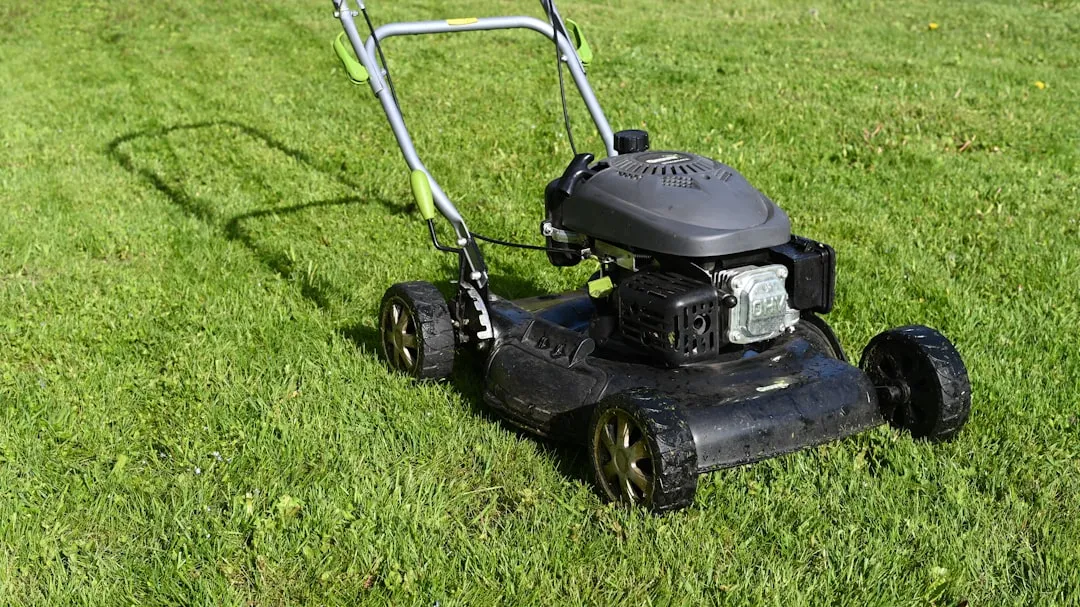
Learning how to change the oil of a lawn mower is essential for keeping your machine running smoothly year after year. Regular lawn mower oil change extends engine life, improves performance, and prevents costly repairs. This guide walks you through every step, from choosing the right oil to proper disposal.
Changing the oil might seem tricky, but it’s a simple task you can do in under 30 minutes. You only need a few basic tools and the correct mower oil type. By performing this small engine oil change annually, you ensure reliable starting and a longer lifespan for your mower.
Whether you own a push mower or a riding mower, the process is similar. This article covers everything you need to know, including mower oil drain methods, oil viscosity recommendations, and safety tips. Stay tuned for expert advice that makes lawn mower maintenance easy.
Key Takeaways
- Main Point: How to change the oil of a lawn mower involves draining old oil, replacing the filter (if equipped), and adding fresh mower oil type.
- Actionable Advice: Always warm up the engine slightly before draining to help oil flow faster and remove more contaminants.
- Best Choice/Practice: Use SAE 30 in warmer months or 10W-30 for year-round use. Check your owner’s manual for the correct capacity.
- Expert Insight: Skipping oil changes is the number one cause of small engine failure. Perform a lawn mower oil change every 50 hours of use or once a season.
- Summary: Regular small engine oil change is cheap insurance. Follow this guide to keep your mower running like new.
Why Regular Lawn Mower Oil Change Matters
Lawn mower maintenance is not complete without timely oil changes. Oil lubricates internal engine parts, reduces friction, and carries away heat. Over time, oil breaks down and gets contaminated with dirt and metal particles. If you neglect how to change the oil of a lawn mower, sludge builds up and can clog passages, leading to overheating or engine seizure.
Most lawn mower engines need an oil change every 50 hours of operation or at least once per mowing season. If you mow frequently or in dusty conditions, change it more often. A clean engine starts easier, runs cooler, and uses less fuel. Plus, you avoid expensive repairs or early replacement.
Another benefit is reduced emissions. Fresh oil burns cleaner, which is better for the environment and your lungs. By mastering how to change the oil of a lawn mower, you also become more confident in other DIY repairs. It’s the first step toward full lawn mower maintenance independence.
Choosing the Right Mower Oil Type
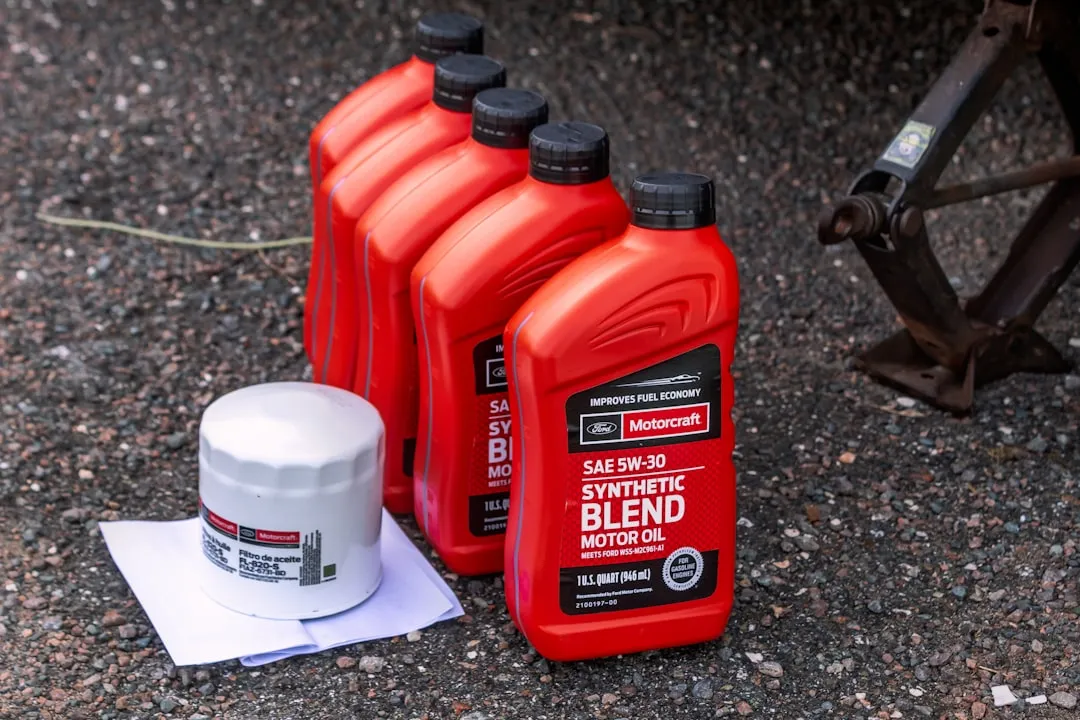
Selecting the correct mower oil type is crucial. Most small engines use SAE 30 viscosity (high-detergent, non-detergent). However, synthetic blends and multi-grade oils like 10W-30 are also common. Always check your owner’s manual first.
SAE 30 works best in warm temperatures above 40°F (4°C). For colder climates, 5W-30 or 10W-30 provides better cold-start protection. Synthetic oils offer superior lubrication and can extend change intervals, but cost more. For standard push mowers, conventional SAE 30 is sufficient.
When buying oil, look for one with the American Petroleum Institute (API) service classification “SJ” or higher. Avoid using automotive oil with energy-conserving additives, as they can cause clutch slippage in some mowers. Stick to oils specifically labeled for lawn mowers or small engines.
💡 Pro Tip
Before draining the oil, run the mower for 5 minutes to warm the engine. Warm oil flows out faster and carries more contaminants. Just be careful not to burn yourself.
Step-by-Step: How to Change the Oil of a Lawn Mower
Follow these steps for a successful lawn mower oil change. Always work on a flat, stable surface. Allow the engine to cool slightly but stay warm to the touch — warm oil drains faster and carries more contaminants.
Tools and Materials Needed
- New oil (correct mower oil type and capacity)
- Drain pan or container
- Socket or wrench (typically 3/8″ or 7/16″ for drain plug)
- Oil filter wrench (if mower has a spin-on filter)
- New oil filter (if applicable)
- Funnel
- Rags or paper towels
- Latex gloves (optional)
Draining the Old Oil
Locate the oil drain plug under the mower deck (or on the side of the engine). Place the drain pan underneath. Carefully remove the plug and let the oil flow out. Some mowers have a dipstick tube that can be used for suction extraction — a neat alternative to crawling under the deck.
If your mower has an oil filter, remove it with the filter wrench. Let the residual oil drain. Wipe the mounting surface clean before installing the new filter. Hand-tighten the new filter about 3/4 turn after the gasket contacts the base.
Adding Fresh Oil
Replace the drain plug and tighten it securely. Using a funnel, pour the recommended amount of new oil into the fill tube. Do not overfill. Check the level with the dipstick. Wipe the dipstick clean, insert it fully, then remove it again. The oil should reach the “full” mark.
Start the engine and let it run for a minute. Shut it off, wait another minute, then recheck the oil level. Top up if necessary. Dispose of the old oil properly — many auto parts stores accept used oil for recycling.
⚠️ Important Note
Never overfill the oil. Overfilling can cause engine damage, smoke, and oil leaks. Always check the dipstick after adding oil and top up gradually to the full mark.
Frequency of Lawn Mower Oil Change
How often should you perform how to change the oil of a lawn mower? For most residential mowers, once per mowing season (spring or fall) is sufficient. If you mow a large lawn or use a commercial mower, change the oil every 25–50 hours of run time.
Some newer mowers have oil change indicators. But the best practice is to keep a log of hours. You can also check the oil’s condition: if it looks dark and gritty, it’s time for a small engine oil change. Black, sludgy oil indicates severe contamination.
Between changes, check the oil level before each use. Low oil can lead to catastrophic engine failure. Also inspect for leaks around the drain plug and filter. Regular attention to lawn mower maintenance ensures reliability.
Common Mistakes to Avoid During Mower Oil Drain
Many DIYers make avoidable errors. One common mistake is using the wrong mower oil type. Using motor oil with friction modifiers can damage the engine. Always pick oil designed for small air-cooled engines.
Another error is overtightening the drain plug. This can strip the threads or crack the oil pan. Hand-tighten the plug and then give it an extra quarter turn with a wrench. Similarly, don’t overtighten the oil filter; hand-tighten plus a half turn is enough.
Also, don’t skip the warm-up step. Cold oil is thick and won’t drain completely. And never pour old oil down the drain or into the trash — it’s illegal and harmful. Recycle it at a collection site.
Frequently Asked Questions
How often should I change the oil in my lawn mower?
Change the oil every 50 hours of use or at least once per season. If you mow in dusty conditions, change it more frequently.
Can I use car oil in my lawn mower?
Only if it’s SAE 30 or 10W-30 without energy-conserving additives. Check the API service rating. Many small engine oils are better.
What happens if I put too much oil in my mower?
Overfilling can cause foaming, increased pressure, and oil leakage. It may also damage seals. Always fill to the proper level on the dipstick.
Do I need to change the oil filter every time?
Yes, if your mower has a replaceable oil filter. Changing the filter ensures the new oil stays clean longer. It’s a quick step that boosts engine protection.
Conclusion
Mastering how to change the oil of a lawn mower is a fundamental skill for any homeowner. Regular lawn mower oil change keeps the engine healthy, improves performance, and saves money in the long run. With the right mower oil type and a simple routine, you can extend your mower’s life by years.
Don’t forget to recycle the used oil and dispose of filters properly. For more helpful lawn mower maintenance tips, check out our guide on buying a lawn mower or learn how to choose the right lawn mower for your needs. Happy mowing!