How to Drain the Oil in a Lawn Mower
How to drain the oil in a lawn mower is a crucial skill for any homeowner who wants to keep their mower running smoothly. Regular oil changes prevent engine wear and extend the life of your machine. In this guide, you’ll learn every step, from preparation to cleanup. We’ll cover the tools you need, common mistakes, and expert tips. Whether you have a push mower or a riding model, this article will help you perform a lawn mower oil change with confidence.
Changing the oil in your mower is part of routine lawn mower maintenance. Neglecting this task can lead to engine damage and poor performance. By following this guide, you’ll save money on repairs and keep your grass looking great. Let’s dive into the process of how to drain oil from mower safely and efficiently.
Key Takeaways
- Main Point: Draining oil regularly keeps your mower engine healthy and extends its lifespan.
- Actionable Advice: Always run the engine for a few minutes before draining to warm the oil for easier flow.
- Best Practice: Use the oil type recommended in your owner’s manual for optimal performance.
- Expert Insight: Tilting the mower toward the oil fill cap helps avoid flooding the air filter during a lawn mower oil change.
- Summary: With the right tools and steps, you can change lawn mower oil in under 30 minutes.
Why You Need to Drain the Oil in a Lawn Mower
Over time, engine oil breaks down and collects contaminants like dirt and metal particles. This dirty oil loses its ability to lubricate and cool the engine. If you don’t drain oil from mower regularly, friction increases, leading to overheating and premature wear. A lawn mower oil change every 50 hours of use or once per season is recommended by most manufacturers. This simple task is the cornerstone of good lawn mower maintenance.
Fresh oil ensures smooth operation and reduces the risk of costly repairs. It also helps your mower start easier and run more efficiently. While the frequency may vary depending on usage, the process of how to drain the oil in a lawn mower remains consistent. Below is a comparison of different methods to help you choose the best approach.
Preparing for a Lawn Mower Oil Change
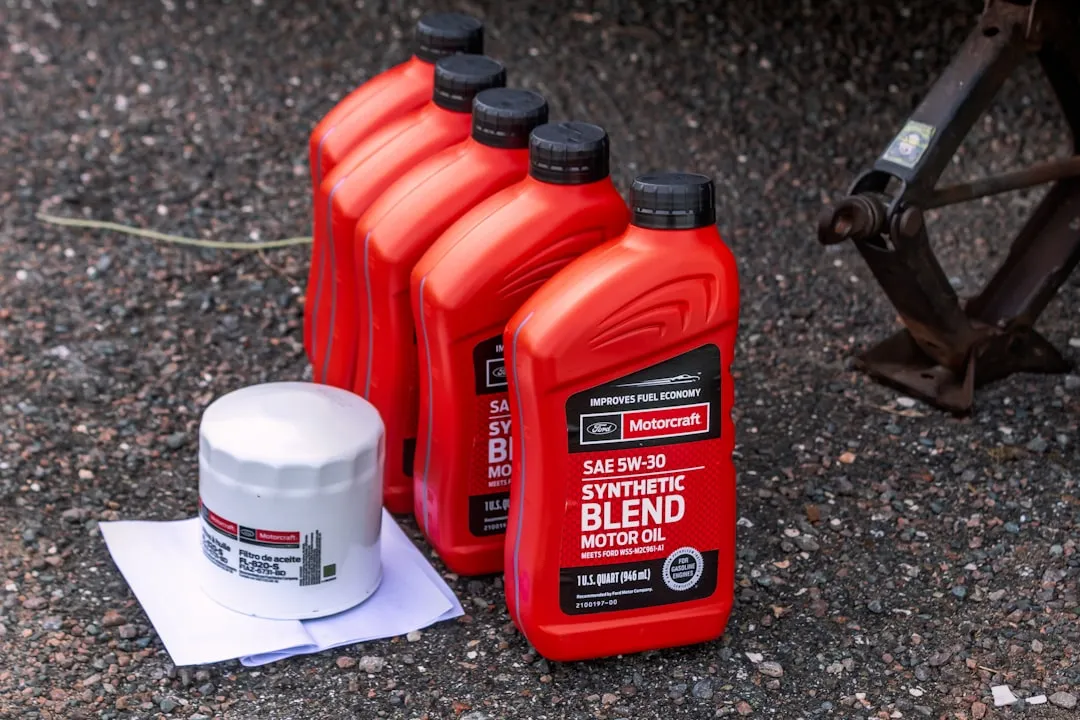
Before you start, gather all necessary tools. You will need a wrench or socket set to remove the lawn mower oil drain plug, an oil pan to catch the old oil, a funnel, and fresh oil that meets your engine’s specifications. Also, have some rags or paper towels handy for spills. It’s wise to wear gloves to keep your hands clean.
Safety is key during a lawn mower oil change. Disconnect the spark plug wire to prevent accidental starting. Work on a flat, level surface to ensure the mower is stable. If the engine is cold, run it for a couple of minutes to warm the oil. Warm oil drains faster and carries more contaminants. Follow the steps below for a smooth process.
- Gather tools: wrench, oil pan, funnel, new oil.
- Disconnect spark plug for safety.
- Run engine briefly to warm oil.
- Locate the oil drain plug under the mower deck.
- Place the oil pan directly under the plug.
💡 Pro Tip
To speed up oil drainage, run the engine for 2–3 minutes before starting. This warms the oil, making it flow faster and carry more contaminants out.
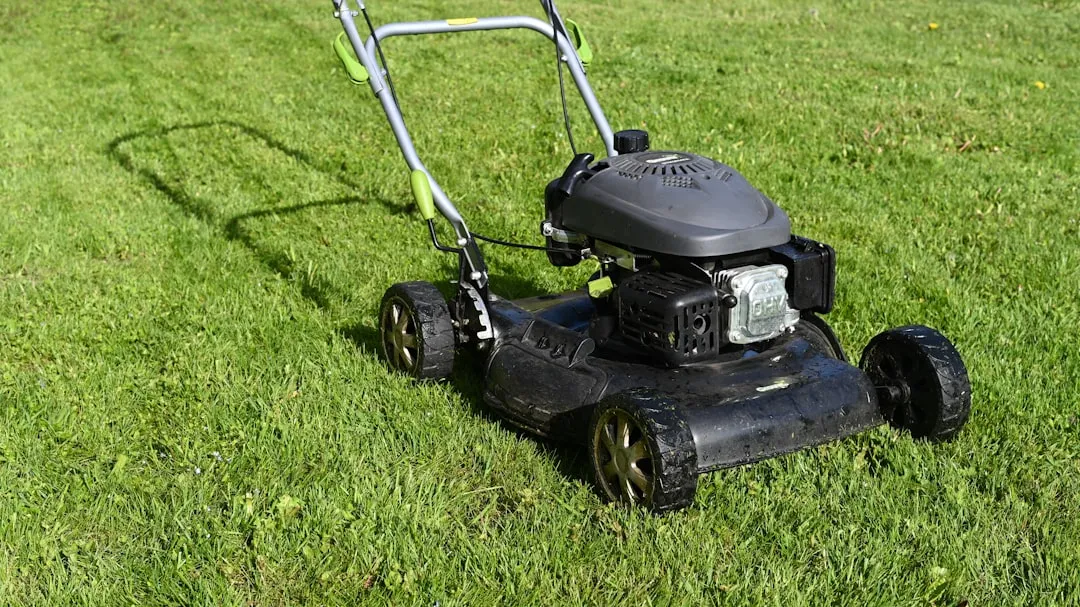
Step-by-Step: How to Drain the Oil in a Lawn Mower
Locate and Remove the Oil Drain Plug
Most walk-behind mowers have an oil drain plug on the underside of the deck. For riding mowers, it may be near the engine block. Consult your owner’s manual if you are unsure. Use a wrench to loosen the plug slowly, keeping the oil pan ready. Once loose, remove the plug by hand and let the oil flow into the pan.
Allow the oil to drain completely. This may take a few minutes. While draining, inspect the plug’s washer or gasket for damage. Replace it if worn. After the oil stops dripping, clean the area around the plug hole with a rag.
Replace the Drain Plug and Add New Oil
Screw the drain plug back in by hand to avoid cross-threading, then tighten with a wrench. Do not overtighten, or you may strip the threads. Move the mower to a clean area or leave it on the oil pan. Locate the oil fill cap (usually marked with an oil can icon). Remove it and insert a funnel. Pour in new oil slowly, checking the dipstick or sight glass frequently. Fill to the proper level—do not overfill.
Replace the fill cap and wipe any spills. Reconnect the spark plug wire. Now you have successfully completed a lawn mower oil change.
⚠️ Important Note
Never tip the mower with the air filter facing down. This can cause oil to flood the air filter, leading to engine damage. Always tip toward the oil fill cap side.
Common Mistakes to Avoid During Oil Drain
Many people make errors when they drain oil from mower. One common mistake is tipping the mower in the wrong direction. Always tip the mower so that the air filter side faces upward. This prevents oil from leaking into the air filter. Another mistake is reusing old oil—never do that. Always use fresh, clean oil.
Some forget to check the lawn mower oil drain plug gasket, leading to leaks. Others overtighten the plug, damaging the pan. Use a torque wrench if possible. Lastly, disposing of old oil improperly harms the environment. Always take used oil to a recycling center. By avoiding these pitfalls, your lawn mower maintenance will be effective and trouble-free.
How to Dispose of Used Oil
Pour the used oil into a sealed container. Label it as used motor oil. Check local regulations for disposal sites. Many auto parts stores accept used oil for free. Never mix oil with other fluids or pour it down drains.
When to Change Lawn Mower Oil
The ideal frequency depends on usage and mower type. For a new mower, change oil after the first 5 hours of use. After that, change lawn mower oil every 50 hours or once a year. If you mow in dusty conditions or have a larger lawn, change it more often. A good rule is to check the oil level and condition at the start of each season.
Look for signs that oil needs changing: it appears dark and gritty, smells burnt, or the level is low. Your mower may also run roughly or smoke. Regular lawn mower maintenance includes not only oil changes but also air filter cleaning and blade sharpening. For more advice on selecting the right mower, check our buying guide. Also, choosing a suitable lawn mower can make maintenance easier.
Frequently Asked Questions
How often should I change lawn mower oil?
Change it every 50 hours of use or at least once per season. Refer to your owner’s manual for specific intervals.
What type of oil does a lawn mower use?
Most four-stroke mowers use SAE 30 or 10W-30 oil. Check the manual for the exact grade. Two-stroke mowers require mixed fuel.
Can I drain oil without a drain plug?
Yes, some mowers use a dipstick tube or a side drain valve. You can use an oil extractor to remove oil through the fill cap.
Is it safe to tip a lawn mower on its side to drain oil?
It can be done carefully, but tipping the wrong way may cause fuel or oil to leak into the air filter. Always tip with the air filter facing up.
Conclusion
Learning how to drain the oil in a lawn mower is a simple yet vital skill. Regular oil changes keep your engine clean, cool, and lubricated. By following the steps above and avoiding common errors, you can extend your mower’s life and ensure reliable performance.
Remember to check your owner’s manual for specific guidelines. Dispose of old oil responsibly to protect the environment. With just a little time and effort, you can perform a lawn mower oil change like a pro. Happy mowing!