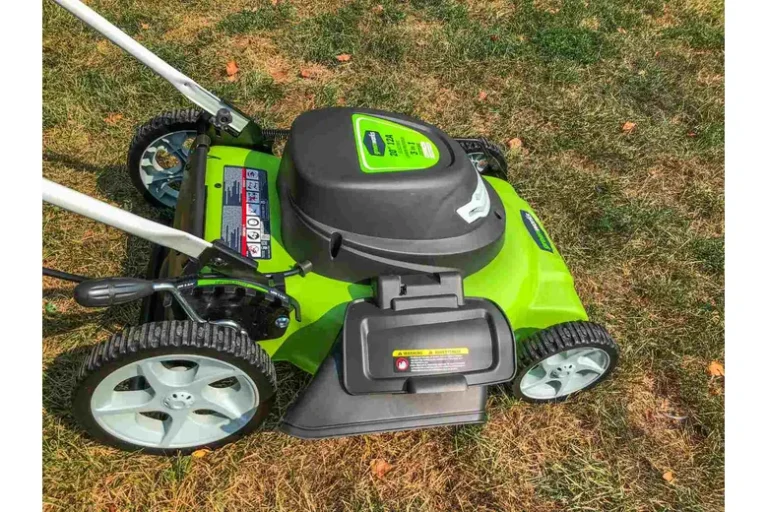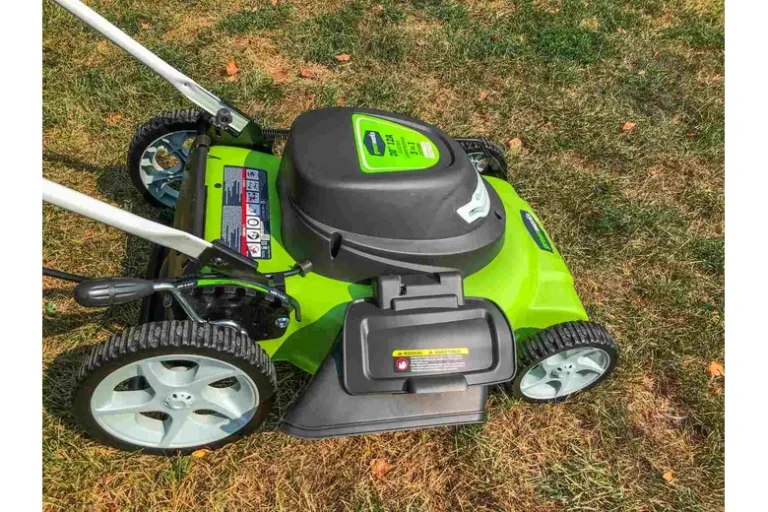
How to Use a Lawn Mower Correctly
How to use a lawn mower correctly is a skill every homeowner should master. Many people think mowing is simple, but improper technique can damage your grass and lead to a patchy, unhealthy lawn. In this guide, you will learn the correct steps, from preparation to maintenance, so your lawn stays lush and green all season long.
Using a lawn mower the right way involves more than just pushing it across the yard. You need to understand your mower’s controls, adjust the cutting height based on grass type, and follow a mowing pattern that promotes even growth. By mastering these proper mowing techniques, you will save time, reduce wear on your equipment, and enjoy a beautiful lawn.
Whether you have a push mower, self-propelled model, or a riding mower, the core principles remain the same. Always prioritize safety, keep your blades sharp, and never cut more than one-third of the grass blade at a time. Let’s dive into the details that will make you a lawn care expert.
Key Takeaways
- Main Point: Using a lawn mower correctly prevents damage and promotes healthy grass growth with minimal effort.
- Actionable Advice: Always check the lawn for debris before mowing and adjust the cutting height based on grass type.
- Best Practice: Follow the one-third rule: never cut more than one-third of the grass blade length at a time.
- Expert Insight: Mowing in a different pattern each time prevents soil compaction and rut formation.
- Summary: Proper mower use includes preparation, safe operation, correct cutting height, and regular maintenance for long-lasting performance.
Prepare Your Lawn and Mower
Before you start the engine, take a few minutes to prepare both your lawn and your mower. Walk around the yard and pick up sticks, rocks, toys, and other debris. These objects can damage the mower blades or become dangerous projectiles. Also, check the grass length. If it’s too long, consider raising the cutting height for the first pass.
Inspect your mower. Ensure the gas tank is full (or battery charged), the oil level is correct, and the air filter is clean. Check that the blade is sharp and not bent. A dull blade tears the grass instead of cutting it cleanly, leading to a brown, frayed appearance. If needed, replace or sharpen the blade before mowing. For a detailed walkthrough of the entire process, see our guide on how to use a lawn mower properly.
Master Proper Mowing Techniques
Once everything is ready, it’s time to mow. Start by pushing the mower forward at a steady pace. Avoid moving too fast, as this can leave uneven clippings and stress the engine. Overlap each pass by about two inches to ensure you don’t miss any spots. For best results, mow when the grass is dry. Wet grass clumps together and clogs the mower deck.
Follow a consistent mowing pattern each session. Common patterns include straight lines, stripes, or spiral patterns. Changing your pattern each time prevents the grass from leaning in one direction and reduces soil compaction. Also, always mow parallel to slopes, not up and down, to maintain traction and safety. For self-propelled mowers, engage the drive only when you need it to avoid speeding.
💡 Pro Tip
Mow in a different direction each time to prevent grass from leaning and to reduce soil compaction. Alternating patterns also helps you avoid creating ruts.
Adjust the Grass Cutting Height for Health
Grass cutting height directly affects the health of your lawn. Most grasses thrive when cut to a height of 2.5 to 4 inches. Cool-season grasses like fescue stay healthier at the taller end, while warm-season grasses like Bermuda can tolerate shorter cuts. Follow the one-third rule: never remove more than one-third of the leaf blade at a time. If your grass is overgrown, raise the deck and make multiple passes.
Adjust the mower’s height settings according to the season. In summer, keep the grass taller to shade the soil and reduce water loss. In spring and fall, you can cut a bit shorter. Always measure the actual height after mowing to ensure accuracy. Using a ruler or a dedicated tool can help. Remember, a consistent lawn mower safety tips practice is to set the height while the engine is off and the blade is stationary.
⚠️ Important Note
Never mow wet grass. Wet grass clogs the mower deck, leaves clumps, and increases the risk of slipping. Always wait until the grass is dry for a clean, safe cut.
Mowing Pattern Tips for a Consistent Cut
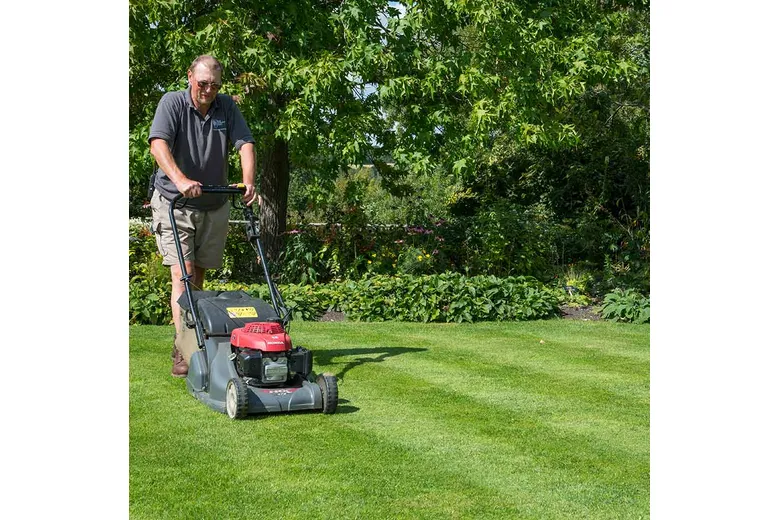
Mowing pattern tips can make a big difference in the appearance of your lawn. Striping, for example, creates an alternating light and dark pattern by bending the grass in opposite directions. To achieve this, mow in straight lines and then change direction 90 degrees for the next session. Avoid turning sharply on the grass; instead, make wide turns to prevent scuffing.
For slopes, always mow across the slope (side-to-side) on a riding mower for stability, but up and down for a walk-behind mower to prevent tipping. If your lawn is uneven, raise the cutting height slightly to avoid scalping the high spots. Using a roller attachment can help flatten minor bumps. Regularly vary your pattern to avoid creating ruts. With practice, you will develop a rhythm that works for your yard.
- Alternate your mowing direction each time you mow.
- Use overlapping passes to avoid missed strips.
- Keep the mower deck level for an even cut.
- Mow slow and steady for clean results.
Lawn Mower Maintenance for Longevity
Regular lawn mower maintenance keeps your equipment running smoothly and extends its life. After each use, clean the underside of the deck to remove grass clippings. This prevents rust and ensures optimal airflow. Check the oil level monthly and change it according to the manufacturer’s schedule. Replace the air filter annually or more often in dusty conditions.
Sharp blades are crucial. Sharpen the blade at least once per season or after every 25 hours of use. A sharp blade cuts cleanly, reducing stress on the grass. Also, inspect the spark plug and replace if worn. Store your mower in a dry, sheltered area. For winter storage, drain the fuel or add a stabilizer. Following these steps will keep your mower reliable for years. If you’re in the market for a new mower, our buying guide can help you choose the best model for your needs.
- Clean the deck after every use.
- Sharpen blades at least once a year.
- Change oil and air filter per manual.
- Inspect spark plug and replace if needed.
- Store mower in a dry place.
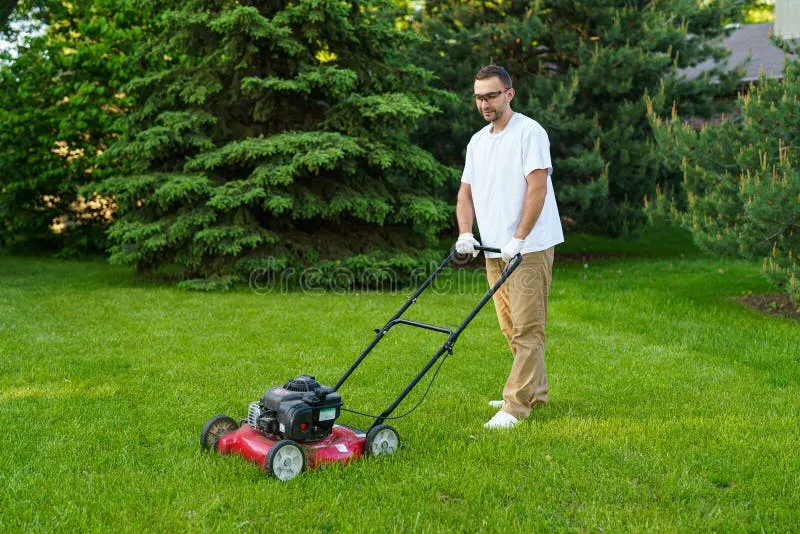
Image source: Thumbs
Safety Tips and Common Mistakes
Lawn mower safety tips are essential to prevent accidents. Always wear closed-toe shoes, long pants, and eye protection. Never mow in reverse unless absolutely necessary, and look behind you before backing up. Keep children and pets indoors while mowing. If you have a riding mower, disengage the blades before crossing driveways or sidewalks.
Common mistakes include mowing too short (scalping), mowing when the grass is wet, and ignoring blade maintenance. Avoid these to keep your lawn healthy. Another mistake is forgetting to check the area for hidden objects like sprinkler heads or tree roots. Taking a few extra minutes to inspect can save you from costly repairs. Remember, safety first.
- Wear protective gear: goggles, gloves, shoes.
- Clear the lawn of debris before mowing.
- Never mow wet grass.
- Keep hands and feet away from the blade.
- Wait for the engine to cool before refueling.
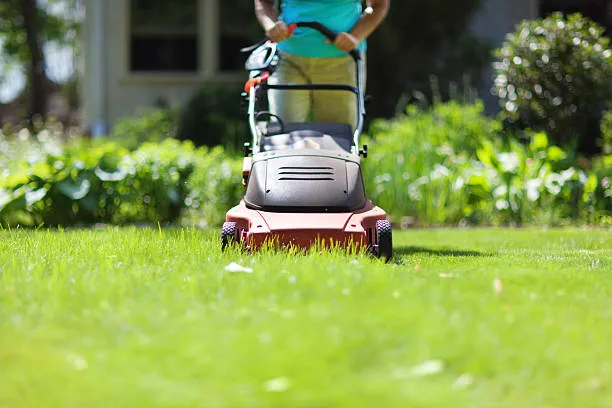
Image source: Istockphoto
Frequently Asked Questions
What is the best time of day to mow the lawn?
The best time is mid-morning after the dew has dried. Mowing in the heat of the afternoon can stress the grass, while early morning wet grass clogs the mower and leads to an uneven cut.
How often should I mow my lawn?
Mow as often as needed to follow the one-third rule. During peak growing season, that may mean once a week. During slower growth, you can mow every 10 to 14 days.
Should I bag grass clippings or leave them on the lawn?
Leaving clippings adds nutrients back to the soil. Use a mulching mower for best results. Only bag if the grass is very long or if you have a disease problem.
How do I know if my mower blade is dull?
If the grass has a ragged, brownish appearance after mowing, the blade is likely dull. Also, listen for a rough tearing sound. Sharp blades produce a clean, smooth cut.
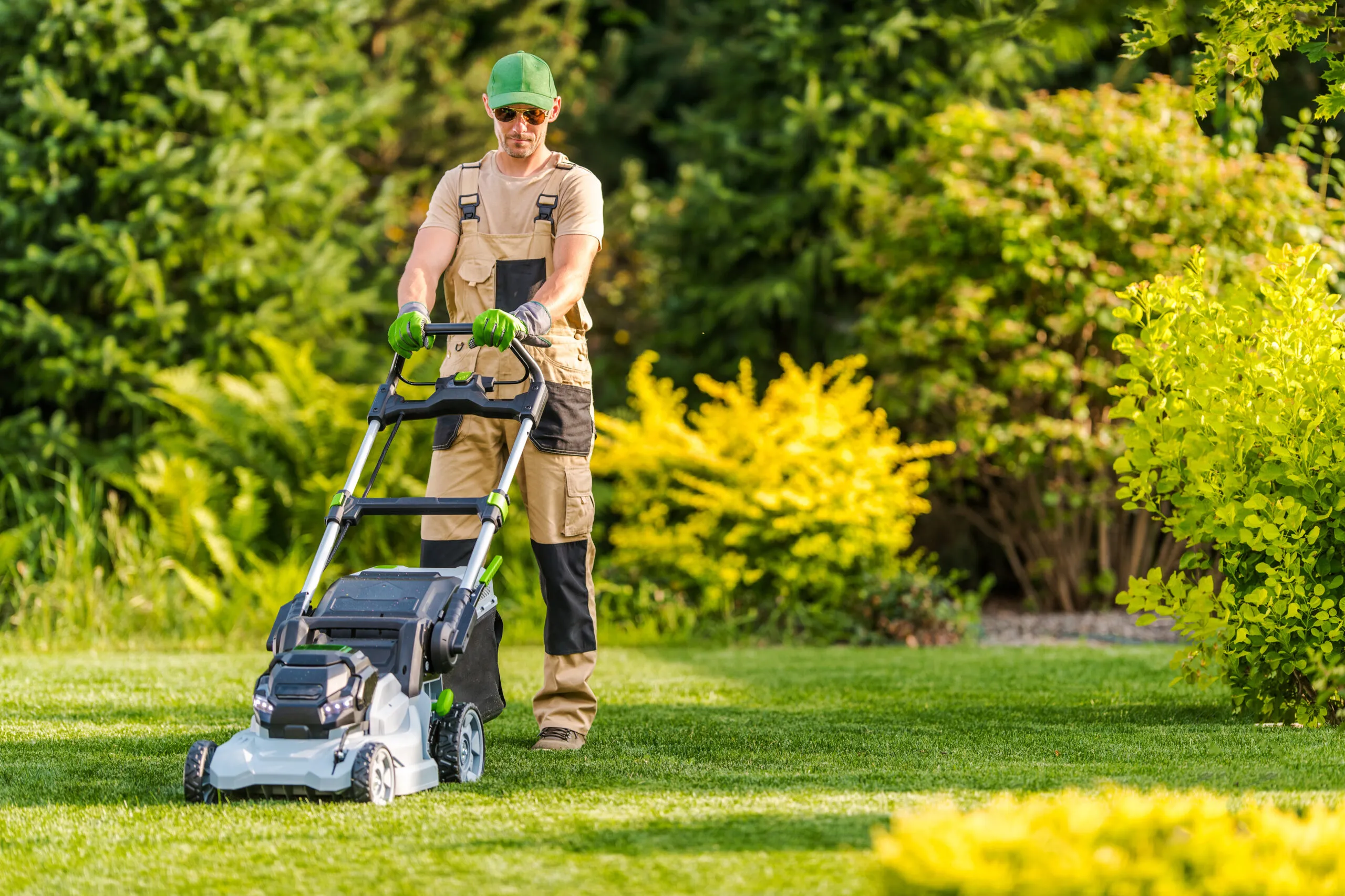
Image source: Lawnedging
Conclusion
Learning how to use a lawn mower correctly transforms a chore into an effective lawn care routine. By preparing your mower and lawn, adjusting the cutting height, following proper mowing techniques, and maintaining your equipment, you ensure a healthy, beautiful lawn all season long.
Start applying these tips today. Your grass will thank you with lush, even growth. Remember to prioritize safety and regular maintenance. With a little practice, you will master the art of lawn mowing and enjoy a yard that stands out in the neighborhood.