How to Choose the Best Lawn Mower
Choosing the best lawn mower can transform your lawn care routine. With so many options, it’s easy to feel overwhelmed. This guide helps you pick the perfect mower for your yard. We cover lawn mower types, key lawn mower features, and the gas vs electric mower debate. You’ll learn how to match a mower to your yard size and budget. Let’s dive in.
Your lawn mower is a long-term investment. The right choice saves time and effort. The wrong one leads to frustration. That’s why a mower buying guide is essential. We’ll walk you through every factor, from terrain to maintenance. By the end, you’ll confidently select the best mower for yard size and your needs.
Whether you have a small city lawn or a sprawling acreage, there’s a perfect mower. This article explains the pros and cons of each type. You’ll understand what features matter most. We also share expert tips to avoid common mistakes. Let’s start with key takeaways.
Key Takeaways
- Main Point: The best mower depends on your yard size, terrain, and power preference.
- Actionable Advice: Measure your lawn and note obstacles before shopping.
- Best Choice/Practice: For small yards, an electric mower is quiet and eco-friendly. For large yards, a gas or ride-on mower works best.
- Expert Insight: Self-propelled mowers reduce effort on slopes, but they add cost and weight.
- Summary: Match mower type to lawn size, consider power source, and prioritize essential features.
Understanding Lawn Mower Types
There are several lawn mower types to choose from. Each is designed for specific yard conditions. The main categories are push mowers, self-propelled mowers, riding mowers, and zero-turn mowers. Push mowers are the simplest. You provide all the motion. They are best for flat, small lawns under 1/4 acre. Self-propelled mowers have a drive system. They move forward on their own. You just steer. This helps on slopes or large yards.
Riding mowers are like small tractors. You sit and drive. They suit lawns from 1/2 acre to 2 acres. Zero-turn mowers are the most maneuverable. They can turn in place. This makes them ideal for complex landscapes with many obstacles. But they cost more. Choose based on the shape and size of your lawn.
Gas vs Electric Mower: Which Is Better?
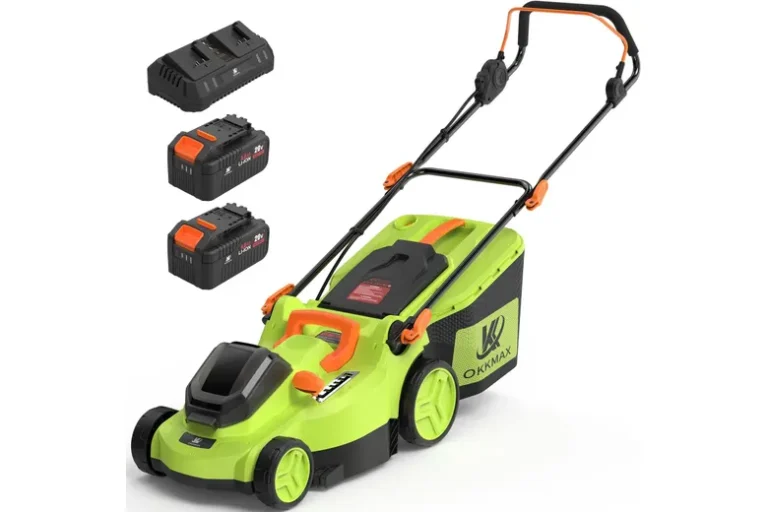
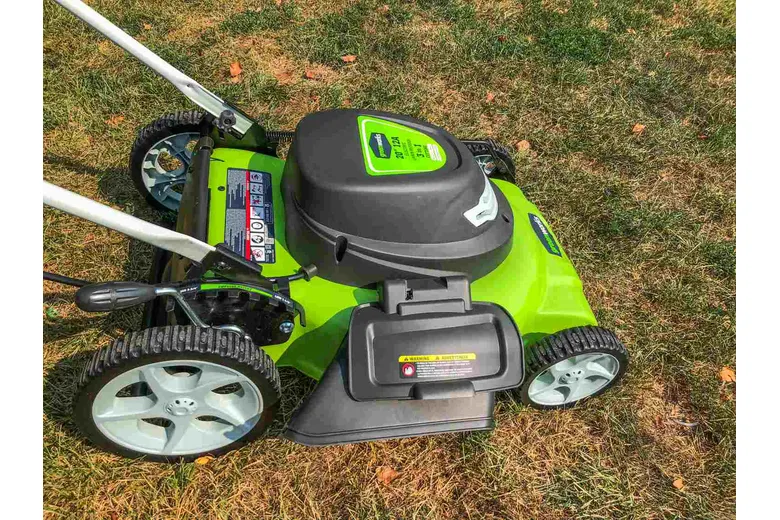
The gas vs electric mower debate is common. Gas mowers are powerful. They handle thick grass and wet conditions. They also last longer with proper care. But they are noisy, emit fumes, and require regular maintenance like oil changes. Electric mowers are quieter and cleaner. They start instantly with a button. Corded electric mowers have unlimited run time but limited range. Cordless battery mowers offer freedom but limited runtime (usually 30-60 minutes).
For small yards under 1/4 acre, electric mowers are excellent. For larger yards, gas mowers provide better endurance. However, modern battery technology is improving. Some high-end battery mowers can handle up to 1 acre. Consider your priorities: power vs convenience. Also think about storage space. Electric mowers are lighter and easier to store. Gas mowers need fuel and ventilation.

Key Lawn Mower Features to Consider
When evaluating lawn mower features, start with cutting width. Wider decks mow faster but are harder to maneuver. Standard widths are 16 to 22 inches for push mowers, and up to 72 inches for ride-ons. Next is cutting height adjustment. Look for easy, one-lever adjustment. Multiple height settings (1-4 inches) let you adapt to grass type and season.
Other features include bagging, mulching, and side discharge. Bagging collects clippings for a clean look. Mulching cuts clippings fine and returns nutrients to the lawn. Side discharge works for tall grass but leaves clumps. Grass catcher capacity matters for large lawns. Also check the wheel size. Larger wheels roll better over bumps. Ball-bearing wheels last longer. For rough terrain, consider rear-wheel drive for better traction.
💡 Pro Tip
When buying a battery mower, check the amp-hour (Ah) rating – higher Ah means longer runtime. Always buy a spare battery if your yard is large.
How to Match Mower to Your Yard Size
Choosing the best mower for yard size is critical. A small yard (under 1/4 acre): a push reel mower or small electric mower works well. They are cheap and easy. A medium yard (1/4 to 1/2 acre): a self-propelled gas or battery mower offers good speed. A large yard (1/2 to 1 acre): a riding mower saves time. For very large yards (over 1 acre): a zero-turn or garden tractor is best.
Also consider the lawn’s shape. Irregular, obstacle-filled lawns need a maneuverable mower. Self-propelled or zero-turn models excel here. Rectangular, open lawns can use any type. Steep slopes need a mower with good traction. Self-propelled or all-wheel drive helps. Always measure your yard’s square footage before buying. This ensures you pick the most efficient size and type.
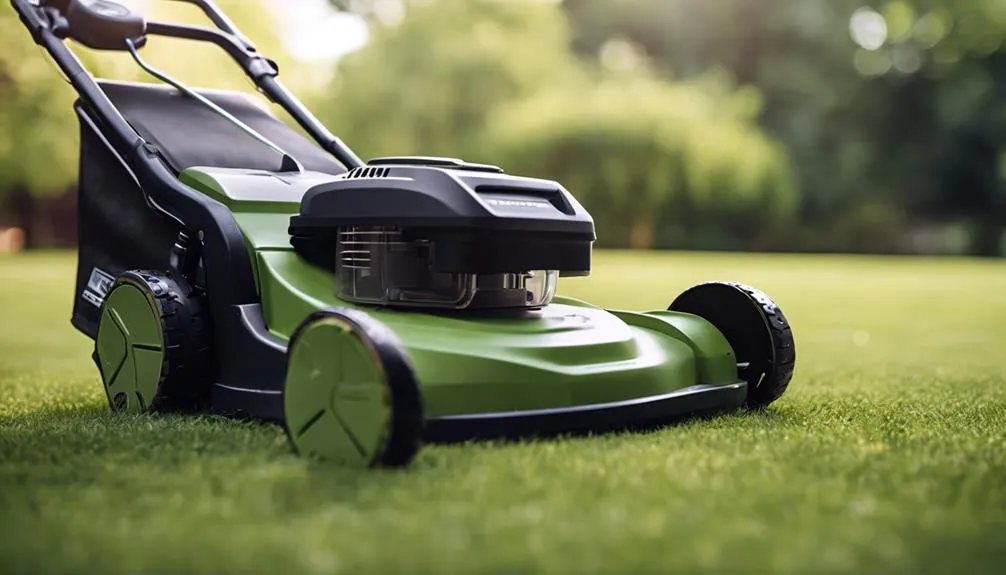
Image source: Soul Sanctuaries
Budget and Maintenance Tips
Set a realistic budget. Push mowers start at $100. Self-propelled mowers cost $200-$600. Riding mowers range from $1,000 to $3,000. Zero-turn mowers go from $1,500 to $5,000. Don’t forget long-term costs. Gas mowers need oil, filters, and spark plugs. Electric mowers need batteries (replace every 3-5 years). Factor in storage and accessories.
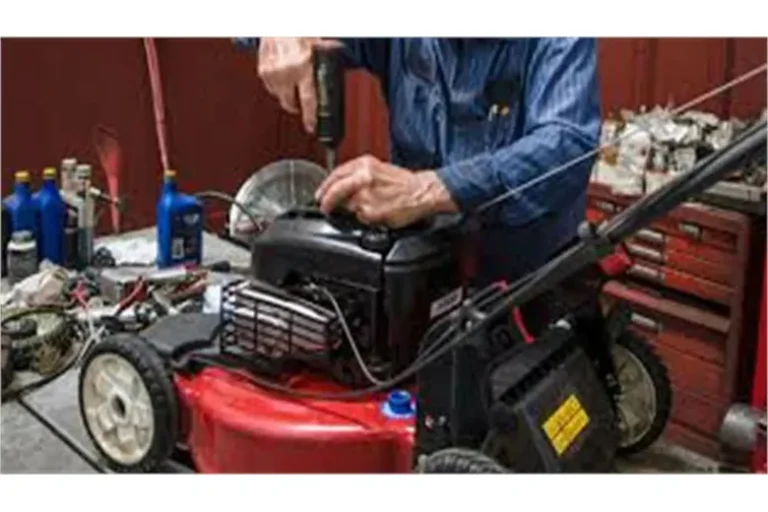
Maintenance keeps your mower running longer. For gas mowers: change oil annually, sharpen blades, and clean the deck. For electric mowers: keep batteries charged, clean the underside, and check for loose wires. Always follow the manual. A well-maintained mower lasts 10 years or more. Also consider warranties. Many brands offer 2-4 year warranties. Extended warranties may be worth it for expensive models.
⚠️ Important Note
Never mow wet grass – it clogs the deck, causes rust, and increases the risk of slipping. Also, always wear hearing protection with gas mowers.
Safety and Environmental Considerations
Safety is key when using any mower. Wear closed-toe shoes and eye protection. Clear the yard of rocks and toys before mowing. Never mow wet grass – it clogs the deck and increases slip risk. For electric mowers, avoid cutting the cord. Use a circuit breaker. For gas mowers, refuel outdoors and let the engine cool.
Environmentally, electric mowers produce zero emissions. They are quieter, reducing noise pollution. Battery mowers are more sustainable if you recycle batteries. Gas mowers emit pollutants but are more durable. If you have a large lawn, gas may be necessary. But consider a battery mower for smaller areas. Also, mulching instead of bagging returns nutrients to the soil. This reduces fertilizer use.
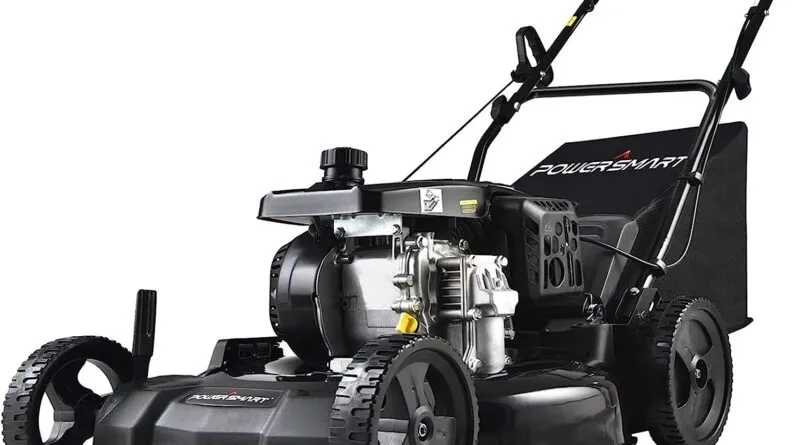
Image source: Mowrs
Frequently Asked Questions
How often should I mow my lawn?
Mow once a week during growing season. Never cut more than one-third of the grass height at once.
What is the best mower for a hilly yard?
A self-propelled mower with rear-wheel drive works best on slopes. Avoid push mowers on steep hills.
Are battery mowers powerful enough for thick grass?
Yes, modern battery mowers with high torque handle thick grass. But they may need a second battery for larger areas.
How do I sharpen lawn mower blades?
Remove the blade, clamp it, and use a file or grinder. Balance after sharpening. Sharpen at least once a year.
Conclusion
Choosing the best lawn mower comes down to your unique yard. Measure your lawn, assess terrain, and decide on power source. Use this mower buying guide to compare models. For more advice, check out our guide on How to Choose a Right Lawn Mower for You and our How to Buy a Lawn Mower for Home – Buying Guide.
Remember, the right mower makes lawn care a pleasure. Take your time, research, and invest in quality. Your lawn will thank you. Happy mowing!