How to Maintain a Lawn Mower at Home
Learning how to maintain a lawn mower at home is essential for keeping your grass looking its best and extending the life of your equipment. A well-maintained mower starts easily, cuts cleanly, and lasts for years. In this guide, we will walk you through every step, from cleaning to blade sharpening, so you can handle the tasks yourself. With regular care, you will avoid costly repairs and enjoy a pristine lawn.
Many homeowners neglect their mower until it breaks down. But simple maintenance tasks like cleaning lawn mower deck and changing oil can prevent major issues. By following a seasonal schedule, you can keep your mower running smoothly. This article covers all the essentials, including lawn mower blade sharpening, changing lawn mower oil, air filter cleaning, and lawn mower spark plug replacement. Let’s dive in.
Key Takeaways
- Main Point: Regular maintenance keeps your mower efficient and extends its life.
- Actionable Advice: Clean the deck after each use and sharpen blades at least once per season.
- Best Choice/Practice: Use manufacturer-recommended oil and spark plugs for optimal performance.
- Expert Insight: Air filter cleaning is often overlooked but crucial for engine health.
- Summary: Follow this guide to perform DIY maintenance and save money on repairs.
Essential Tools and Safety Precautions
Before you start, gather the right tools. You will need a wrench set, socket set, screwdrivers, a putty knife, a wire brush, oil filter wrench, and a blade balancer. Also, wear heavy gloves and safety glasses. Always disconnect the spark plug wire to prevent accidental starts. Work on a flat surface and have a drain pan ready for oil changes.
Cleaning the Lawn Mower Deck
Grass clippings and debris build up under the deck, causing rust and poor cutting. Cleaning lawn mower deck is a simple task that improves performance. After each mow, tilt the mower on its side (with the air filter up) and scrape off debris with a putty knife. Use a garden hose to rinse, but avoid getting water on the engine. For stubborn buildup, use a wire brush. Clean the underside thoroughly and let it dry before storing.
A clean deck reduces the risk of grass clumps that block the discharge chute. It also prevents corrosion and helps the blade spin freely. Make this a habit after every few uses, especially if you mow wet grass.
💡 Pro Tip
Set a calendar reminder for oil changes and blade sharpening at the start of each season. Doing both together saves time and ensures you never forget.
Lawn Mower Blade Sharpening
Sharp blades cut grass cleanly, promoting a healthier lawn. Dull blades tear grass, leaving brown tips. You should perform lawn mower blade sharpening at least once per season or after 25 hours of use. To remove the blade, disconnect the spark plug and tip the mower. Use a socket wrench to unscrew the blade bolt. Sharpen the blade with a file or angle grinder, following the original bevel. Balance the blade on a balancer to ensure it spins evenly. Reattach securely.
If you do not have tools, consider replacing the blade. A sharp blade reduces engine strain and saves fuel. Always check for nicks and cracks before sharpening.
Step-by-Step Blade Removal
- Disconnect spark plug for safety.
- Tip the mower on its side (air filter up).
- Use a wrench to loosen the blade bolt (turn clockwise on most mowers).
- Remove the blade and place it in a vise.
- File the cutting edge at a 45-degree angle.
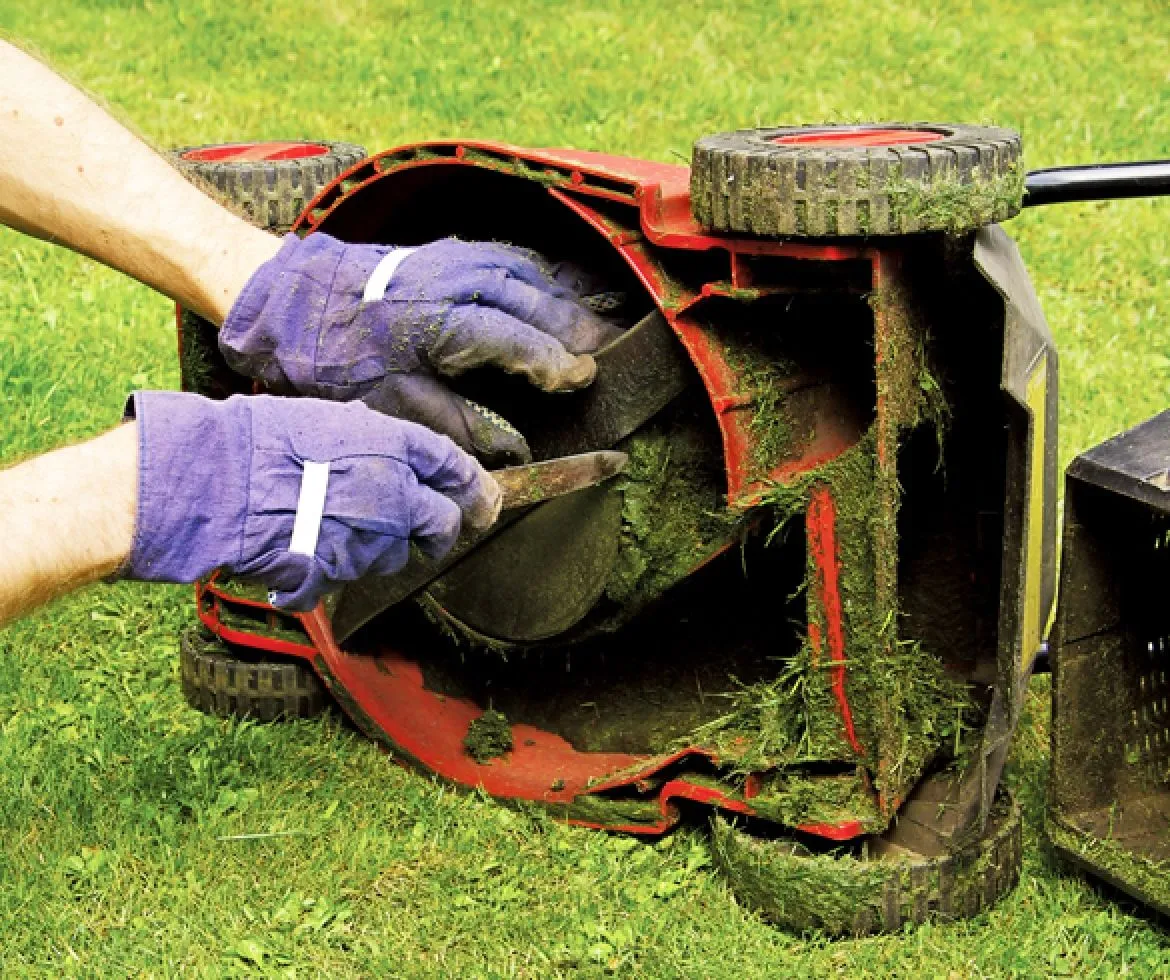
Image source: Pinimg
⚠️ Important Note
Always disconnect the spark plug wire before tilting the mower or working near the blade. Serious injury can occur if the engine starts accidentally.
Changing Lawn Mower Oil
Engine oil lubricates moving parts and reduces heat. Changing lawn mower oil is crucial for engine longevity. Most small engines require oil changes every 50 hours or once per season. Warm up the engine for a few minutes to thin the oil, then turn it off. Remove the oil drain plug (usually under the deck) and let oil drain into a pan. Replace the plug, then add fresh oil through the dipstick tube. Use the oil type recommended in your owner’s manual, typically SAE 30 or 10W-30.
Check the oil level before each use. Low oil can cause engine seizure. Dispose of used oil responsibly at a recycling center.
Oil Change Frequency
- First change after 5 hours of use for new mowers.
- Every 50 hours or annually thereafter.
- Change more often in dusty conditions.
Air Filter Cleaning and Replacement
The air filter prevents dirt from entering the engine. Air filter cleaning is a simple step that improves performance. Foam filters can be washed with soapy water and re-oiled. Paper filters should be replaced when dirty. Remove the air filter cover, take out the filter, and check for debris. If it is paper, tap it gently; if it is foam, wash and dry thoroughly before reinstalling. A clogged filter reduces airflow, causing hard starting and power loss.
Clean the filter every 25 hours or each season. In dusty areas, check more often. A clean filter also improves fuel efficiency.
Image source: Lawnmowerguru
Lawn Mower Spark Plug Replacement
A worn spark plug causes misfiring and hard starts. Schedule lawn mower spark plug replacement every season or after 100 hours of use. First, remove the spark plug wire. Use a spark plug socket to unscrew the old plug. Check the gap on the new plug with a feeler gauge (usually 0.030 inches). Install the new plug by hand to avoid cross-threading, then tighten with a wrench. Reattach the wire. A fresh spark plug ensures reliable ignition and smooth running.
Always use the correct plug type for your engine. Common brands include NGK and Champion. Gap adjustment is critical for proper combustion.
Signs You Need a New Spark Plug
- Engine cranks but does not start.
- Rough idle or misfiring.
- Poor fuel economy.
- Black soot on the plug tip.
Additional Maintenance Tips
Keep the mower stored in a dry place. Add fuel stabilizer if you store it for more than 30 days. At the end of the season, drain the fuel or run the engine dry to prevent gum deposits. Check the wheels and adjust cutting height as needed. Lubricate pivot points with WD-40. Inspect belts and cables for wear. For electric mowers, keep the battery charged and terminals clean.
For safety, always disconnect the spark plug before any maintenance. If you are buying a new mower, refer to our how to buy a lawn mower for home buying guide for tips. Also, learn how to choose a right lawn mower for you to match your needs.
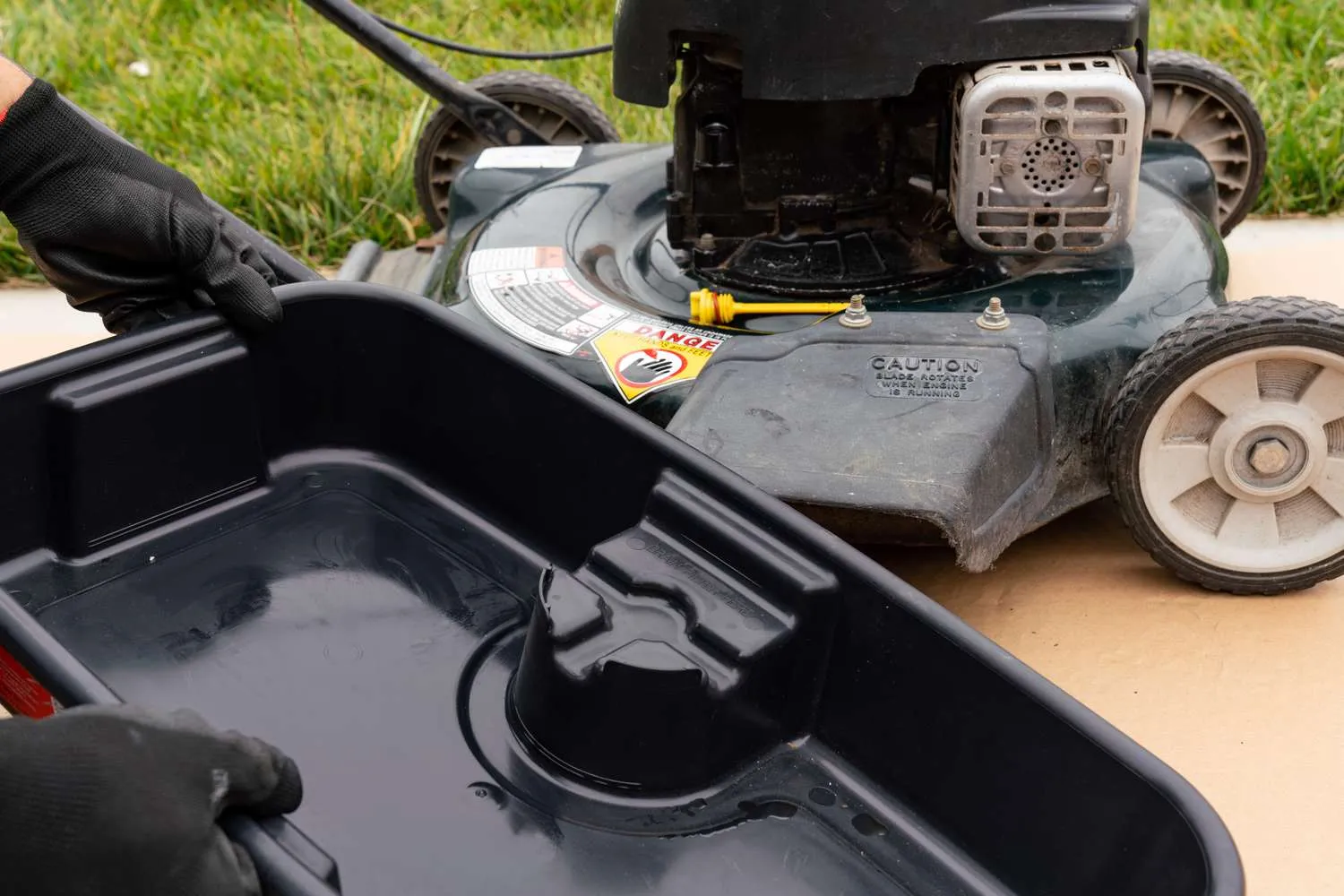
Image source: Thespruce
Frequently Asked Questions
How often should I sharpen my lawn mower blade?
Sharpen the blade at least once per season or after every 25 hours of use. If you hit rocks or roots, check it sooner.
Can I use car oil in my lawn mower?
No, use oil specifically for small engines, such as SAE 30 or 10W-30. Car oil may damage the engine.
Do I need to remove the spark plug for cleaning the deck?
Yes, always disconnect the spark plug wire before tilting the mower to prevent accidental starting.
How do I know if my air filter needs cleaning?
Check it visually. If it is dirty or clogged with debris, clean or replace it. A dirty filter causes hard starts and poor performance.
Conclusion
Mastering how to maintain a lawn mower at home saves you time and money. By following this guide, you can keep your mower in top shape with simple tasks like cleaning lawn mower deck, lawn mower blade sharpening, changing lawn mower oil, air filter cleaning, and lawn mower spark plug replacement. Regular care ensures a beautiful lawn and a long-lasting mower. Start today and enjoy worry-free mowing.
Remember to always refer to your owner’s manual for specific instructions. With practice, you will become confident in performing all routine maintenance at home.