How to Charge a Lawn Mower Battery
How to charge a lawn mower battery is a skill every lawn owner should know. A dead battery can stop your mower mid-job. This guide covers everything you need. You will learn the steps, tools, and safety tips. Keep your mower running smoothly all season. A lawn mower battery charger is the key tool for this task. Whether you have a riding or push mower, the process is similar. Let us walk you through it.
First, gather your supplies. You need a compatible charger, safety gear, and a clean workspace. Always check your battery type. Most mowers use 12-volt lead-acid batteries. Some newer models use lithium-ion. Knowing your battery is the first step in how to charge a lawn mower battery.
Second, understand the risks. Batteries can leak or explode if mishandled. Work in a well-ventilated area. Wear gloves and goggles. Follow these steps to avoid damage. This guide ensures you do it safely and effectively.
Key Takeaways
- Main Point: Always disconnect the battery before charging to prevent shorts.
- Actionable Advice: Use a smart charger to avoid overcharging and extend battery life.
- Best Choice/Practice: Charge at a low amperage (2-10 amps) for optimal health.
- Expert Insight: Trickle charging is ideal for long-term storage.
- Summary: Proper charging techniques keep your mower ready and the battery durable.
Safety First: Preparing to Charge Your Lawn Mower Battery
Before you start, safety is crucial. How to charge a lawn mower battery begins with preparation. Turn off the mower and remove the key. Put on gloves and safety glasses. Work in a dry, ventilated area. Keep sparks and flames away. Batteries produce hydrogen gas, which is explosive.
Next, locate the battery. In riding mowers, it is often under the seat or hood. In push mowers, it may be near the handle. Remove any covers or terminals. Inspect the battery for cracks or leaks. If damaged, replace it. A damaged battery is dangerous to charge.
- Always wear protective gear.
- Work in a well-ventilated space.
- Keep metal tools away from terminals.
- Never smoke near a battery.
Identifying Your Battery Type
Most lawn mowers use a 12-volt lead-acid battery. Some newer models use lithium-ion. Check your owner’s manual. The battery type affects how you charge it. Lead-acid batteries need a specific charger. Lithium-ion batteries need a compatible charger. Using the wrong charger can ruin the battery.
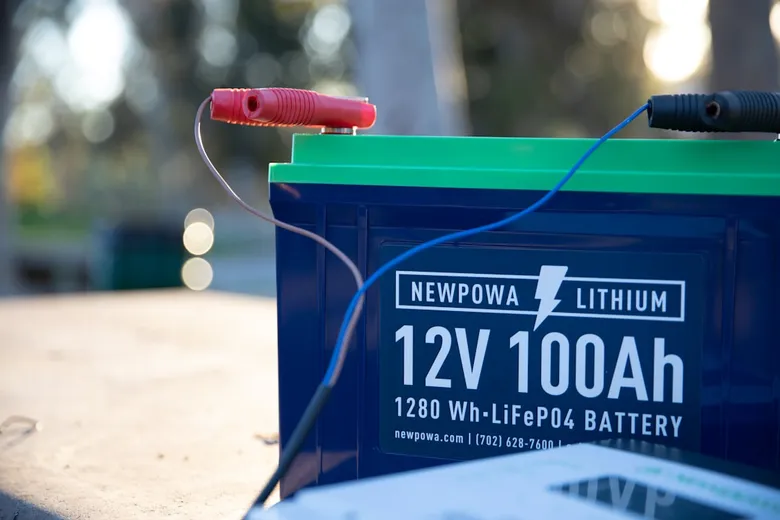
For lead-acid, you can use a standard lawn mower battery charger. For lithium, use a charger with a lithium profile. Some smart chargers work for both. Confirm the voltage and capacity (Ah). This ensures a safe charge.
Step-by-Step: How to Charge a Lawn Mower Battery
Now you are ready to charge. Follow these steps for how to charge a lawn mower battery. First, disconnect the battery. Remove the negative terminal (black) first, then the positive (red). This prevents short circuits. Clean the terminals with a wire brush. Corrosion can block the charge.
Connect the charger. Attach the red clamp to the positive terminal. Attach the black clamp to a metal ground on the mower frame. This avoids sparks near the battery. Then plug in the charger. Set the amperage to 2-10 amps. A slower charge is better for the battery. Let it charge fully. A 12-volt battery takes 4-12 hours.
- Disconnect negative first, then positive.
- Clean terminals with baking soda and water.
- Set charger to low amp (trickle charge preferred).
- Monitor charging progress.
Using a Trickle Charger for Maintenance
Trickle charge lawn mower battery is a great way to maintain it. A trickle charger delivers a low, constant current. This prevents overcharging. It is ideal for storing your mower over winter. Keep the battery connected to a trickle charger. This extends its life and keeps it ready.
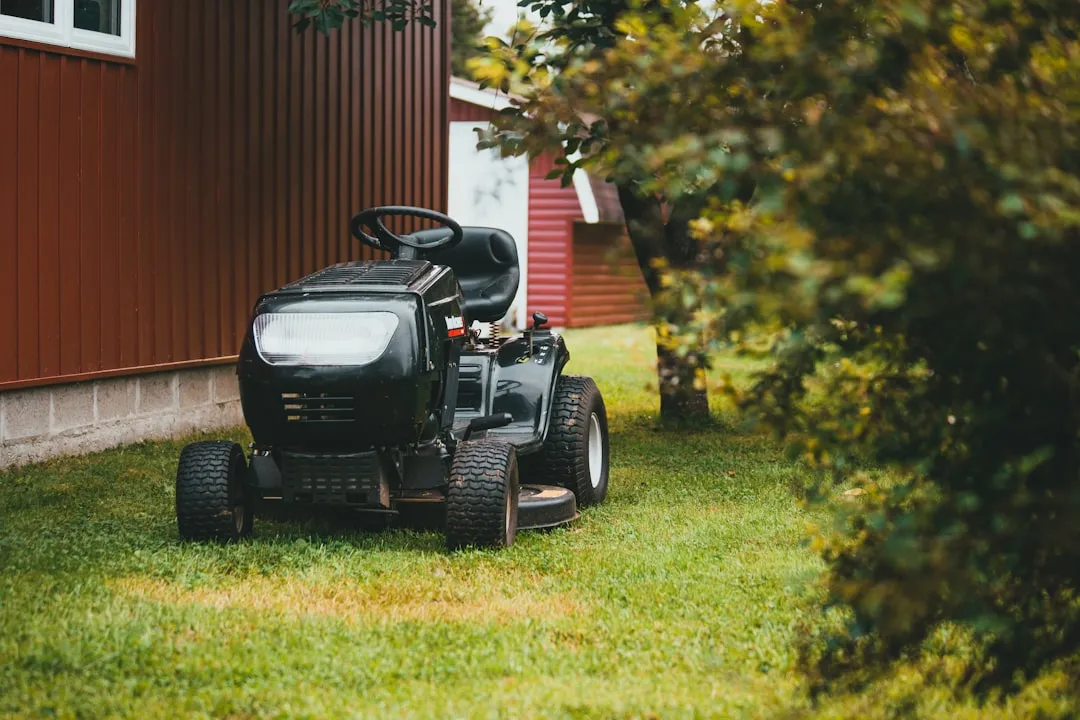
Many chargers have an automatic shut-off. These are smart chargers. They stop when the battery is full. This is safer and more efficient. For lawn mower battery maintenance, use a smart charger. It adjusts the charge based on battery condition.
💡 Pro Tip
To prolong battery life, always use a smart charger that automatically switches to float mode. This prevents overcharging and maintains optimal voltage.
Charging a Dead Lawn Mower Battery: Special Considerations
A dead lawn mower battery requires extra care. A deeply discharged battery may not accept a charge. First, test the voltage. If it is below 10 volts, it may be sulfated. You can try a desulfation charger mode. Some smart chargers have this feature. If the battery is over three years old, it might need replacement.
When how to charge a lawn mower battery that is dead, start with a low amp. If the battery does not take a charge, check the water level. For lead-acid batteries, add distilled water if low. Never add acid. Charge it slowly at 2 amps. It may take 24 hours or more. Be patient.
- Test voltage first.
- Use desulfation if available.
- Check water level.
- Charge slowly at low amps.
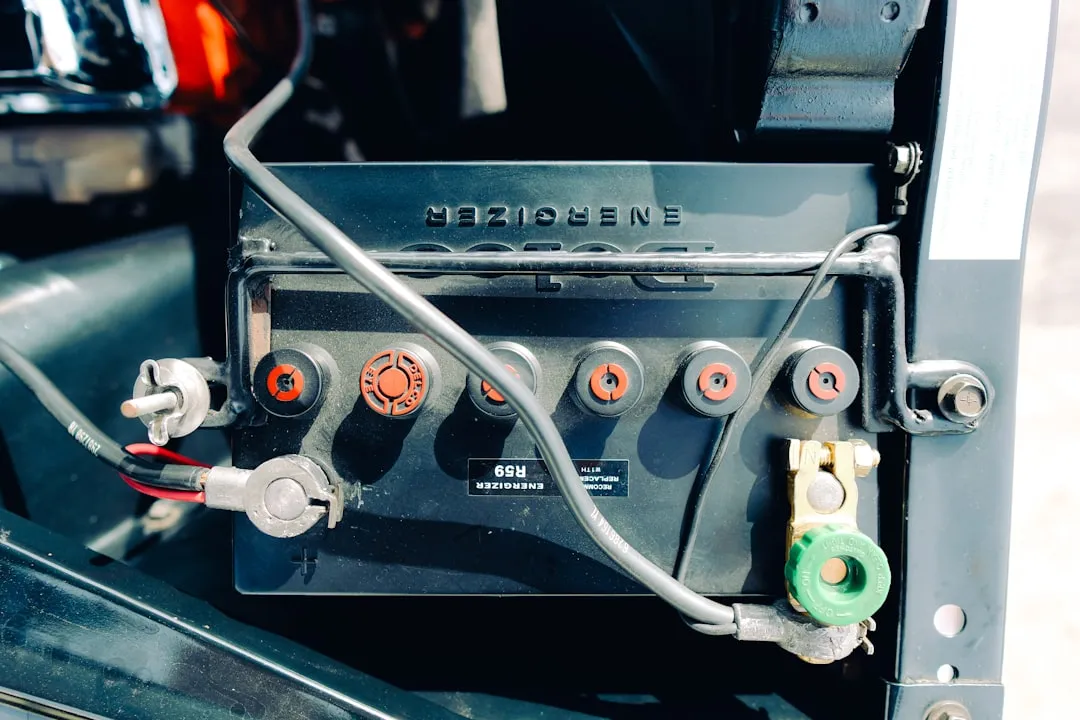
⚠️ Important Note
Never charge a frozen or cracked battery. Dispose of damaged batteries properly. Always charge in a well-ventilated area to avoid explosive gas buildup.
How to Charge a Riding Mower Battery
Charge riding mower battery is similar to a push mower. The battery is typically larger. It may be under the seat or hood. Access it by removing the seat or cover. Disconnect the negative terminal first. Use a heavy-duty charger if the battery is 20Ah or more. Set the charger to 10 amps for a faster charge. But a slow charge is still better.
For riding mowers, the charging port is often accessible. Some models have a built-in charger. You can plug it directly. Always check the owner’s manual. If you store the mower, remove the battery and trickle charge it. This prevents discharge from parasitic drains.
Maintenance Tips for Long Battery Life
Lawn mower battery maintenance is key to longevity. Clean terminals every month. Apply dielectric grease to prevent corrosion. Keep the battery charged above 50%. Avoid deep discharges. If you do not use the mower for weeks, use a float charger. Store the battery in a cool, dry place. These habits extend battery life.
Frequently Asked Questions
Can I use a car charger to charge my lawn mower battery?
Yes, but only if it is a 12-volt charger. Set it to a low amp. Car chargers often output 10-20 amps. That may be too high for small mower batteries. Use a lower setting if available.
How long does it take to charge a lawn mower battery?
It depends on the charger amp and battery capacity. Typically 4-12 hours. A 2-amp charger may take 12 hours for a 20Ah battery. A 10-amp charger takes about 2 hours.
Can I jump-start a lawn mower with a dead battery?
Yes, you can jump-start it with a car or another mower. Connect positive to positive and negative to a ground. Avoid sparking. Jump-starting is a temporary fix. Charge the battery fully afterward.
How often should I charge my lawn mower battery?
Charge it when the voltage drops below 12.4 volts. For seasonal use, charge it every month. In storage, keep it on a trickle charger.
Conclusion
Learning how to charge a lawn mower battery ensures your mower starts every time. Follow the safety steps and use the right charger. A smart or trickle charger is best for longevity. Regular maintenance prevents dead batteries. Check the battery condition before each season. For more tips on mower care, check our guide on buying a lawn mower and choosing the right mower. Keep your equipment in top shape and enjoy a healthy lawn.