How to Keep Your Lawn Green After Mowing
How to keep your lawn green after mowing is a common question for homeowners. The secret lies in simple habits that protect grass health. Mowing is stressful for turf. Wrong techniques can turn a lush lawn brown. But with the right approach, you can maintain vibrant green color all season. This guide shares proven lawn mowing tips to keep grass looking its best.
Many people focus only on the cut. They ignore mowing height, blade sharpness, and aftercare. These factors matter a lot. A dull blade tears grass. Too short a cut exposes soil. Watering at the wrong time wastes water. By adjusting a few practices, you can transform your lawn. Let’s explore the key steps to keep your lawn green after mowing.
Consistency is crucial. Mowing too infrequently forces you to cut more at once. This shocks the grass. Regular mowing with a sharp blade and proper height reduces stress. Combined with smart watering and mulching, you get a dense, green lawn that resists weeds and disease.
Key Takeaways
- Main Point: Proper mowing height and blade sharpness are the foundation of a green lawn.
- Actionable Advice: Water deeply and infrequently, preferably in the early morning.
- Best Choice/Practice: Always mulch grass clippings to return nutrients to the soil.
- Expert Insight: Sharpen mower blades at least twice per season for a clean cut.
- Summary: Follow the one-third rule: never cut more than one-third of the grass blade height at once.
Master the Proper Mowing Height
Proper mowing height is the single most important factor. Cutting grass too short stresses it and encourages weeds. Taller grass shades the soil, reducing water evaporation. It also develops deeper roots. For most cool-season grasses, set your mower to 3 to 4 inches. Warm-season grasses like Bermuda do well at 1 to 2 inches. Adjust based on grass type and season. Never cut more than one-third of the blade length at a time. This reduces shock and keeps the lawn green.
Follow a simple rule: if your grass is 4 inches tall, only mow down to about 3 inches. This leaves enough leaf surface for photosynthesis. The grass recovers faster and looks lush. Mowing too low exposes the crown to sun and heat. This leads to brown tips and bare patches. Proper mowing height also helps crowd out weeds by creating dense turf. Use a ruler to check your mower deck setting regularly. Adjust as the season changes. In summer, raise the height slightly to protect against heat stress.
- Cool-season grass: 3–4 inches
- Warm-season grass: 1–2 inches
- Shaded lawns: raise by 1 inch
- Summer stress: raise by 0.5 inch
Watering After Mowing: Timing and Technique
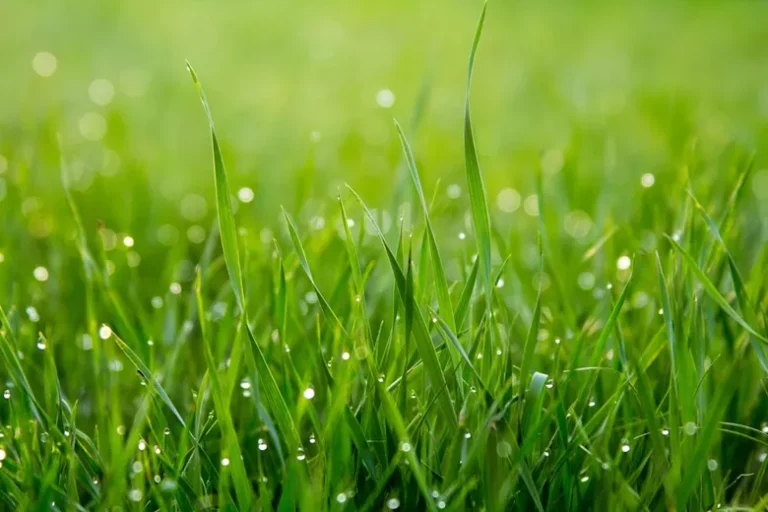
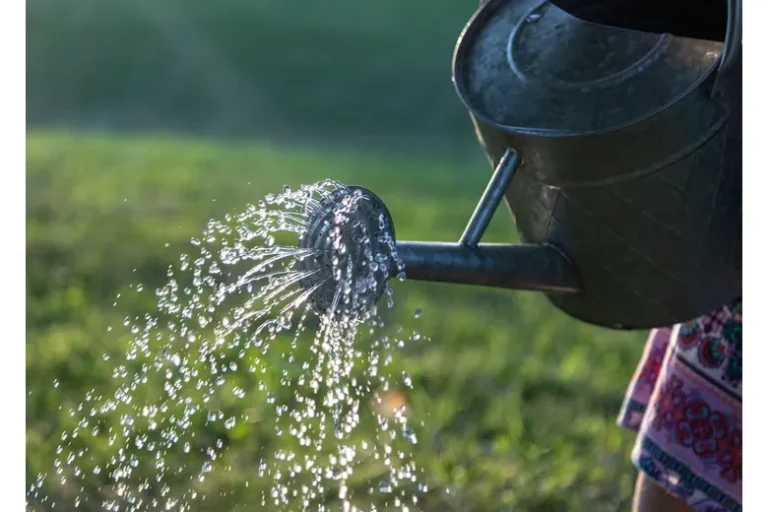
Watering after mowing is a delicate balance. Grass needs water to recover from cutting. But watering at the wrong time can cause disease. Water in the early morning, between 6 AM and 10 AM. This gives grass time to dry during the day. Evening watering leaves moisture overnight, inviting fungus. Water deeply and less often. Aim for 1 to 1.5 inches per week, including rainfall. Deep watering encourages deep roots, making grass more drought-tolerant.
After mowing, wait a few hours before watering. This allows cut ends to heal. If you see wilted or bluish grass, it is time to water. Use a rain gauge to measure output. Avoid frequent shallow sprinkling. It leads to shallow roots and weak grass. Watering after mowing should be part of a consistent schedule. In hot weather, consider watering twice a week. In cooler weather, once a week may be enough. Always check soil moisture before watering.
- Water early morning to reduce evaporation
- Apply 1–1.5 inches per week
- Wait a few hours after mowing to water
- Use a rain gauge to track amounts
Image source: Vecteezy
💡 Pro Tip
For the greenest lawn, combine mulching clippings with a slow-release nitrogen fertilizer in early spring. This synergy feeds grass steadily.
Mulch Grass Clippings for Natural Fertilizer
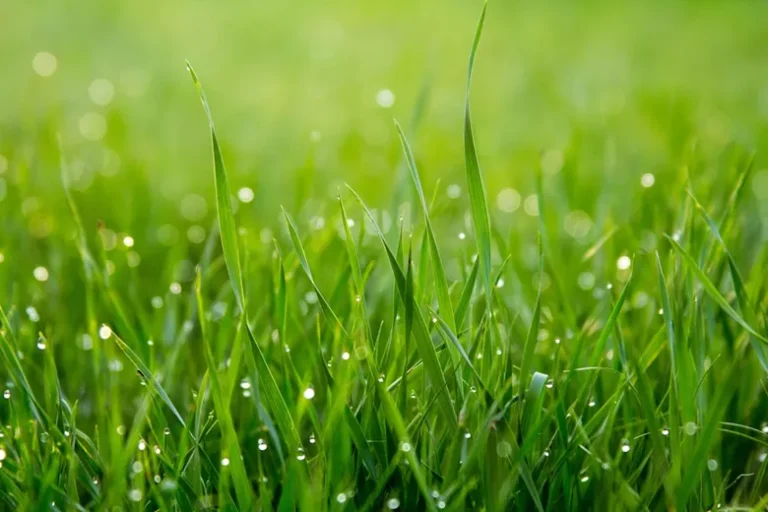
Grass clippings mulch is a free, nutrient-rich resource. When you leave clippings on the lawn, they decompose quickly. They return nitrogen, phosphorus, and potassium to the soil. This reduces fertilizer needs by up to 25 percent. Mulching also retains soil moisture and adds organic matter. Use a mulching mower or a regular mower with a mulching blade. Mow when grass is dry to prevent clumping. Spread clippings evenly so they break down fast.
Some worry that clippings cause thatch. But clippings are mostly water and decompose rapidly. Thatch comes from stems and roots, not leaf clippings. Bag clippings only if the grass is very tall or diseased. Otherwise, leave them on the lawn. Grass clippings mulch feeds beneficial microbes. It also saves time and money. Make sure you mow frequently enough so clippings are short. Long clumps can smother grass. If you see clumps, mow over them again or rake them.
- Leave clippings on the lawn for natural fertilizer
- Use a mulching mower for best results
- Mow dry grass to avoid clumping
- Reduce synthetic fertilizer use by mulching
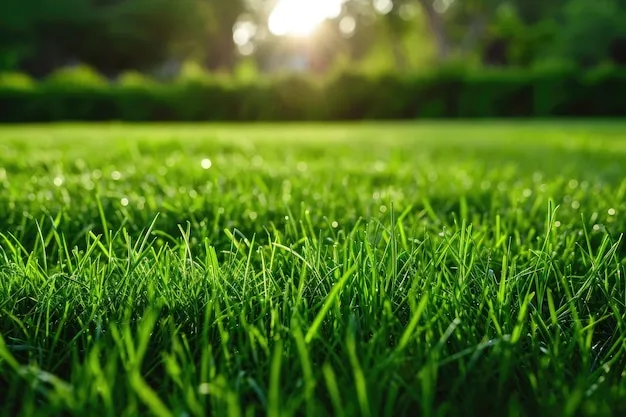
Image source: Freepik
⚠️ Important Note
Never mow wet grass. It clumps, dulls blades, and spreads disease. Wait until the lawn is completely dry before mowing.
Keep Your Mower Blades Sharp
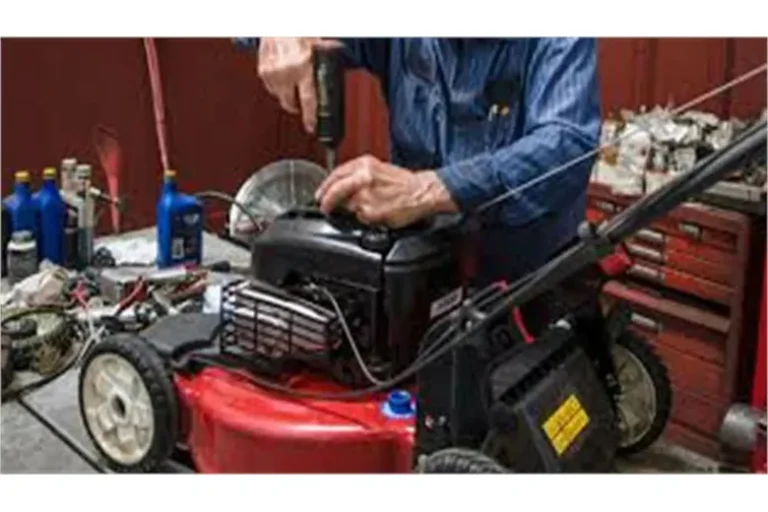
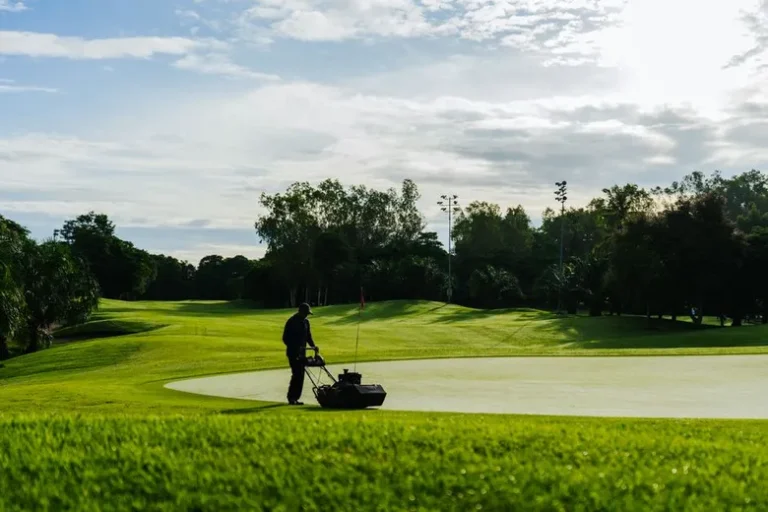
Sharp mower blades make a clean cut. Dull blades tear grass, leaving frayed ends. These ends turn brown and increase water loss. The grass takes longer to heal. It becomes prone to disease. Sharpen blades at least twice each season. If you hit rocks or sticks, check immediately. A sharp blade slices grass like a razor. The cut heals quickly, keeping the lawn green. You can sharpen blades yourself with a file or grinder. Or take them to a professional.
Inspect blades monthly. Look for nicks or dull edges. A simple test: cut a piece of paper with the blade. If it rips, it needs sharpening. Replace very worn blades. Sharp mower blades also improve mowing efficiency. Your engine works less, saving fuel. For best results, balance blades after sharpening. An unbalanced blade vibrates and damages your mower. Always wear gloves when handling blades. For more on choosing the right mower for your needs, check our guide on how to choose the right lawn mower.
- Sharpen blades at least twice per season
- Check for nicks and dents monthly
- Balance blades after sharpening
- Replace if blade is worn thin
Lawn Mowing Tips for Consistent Care
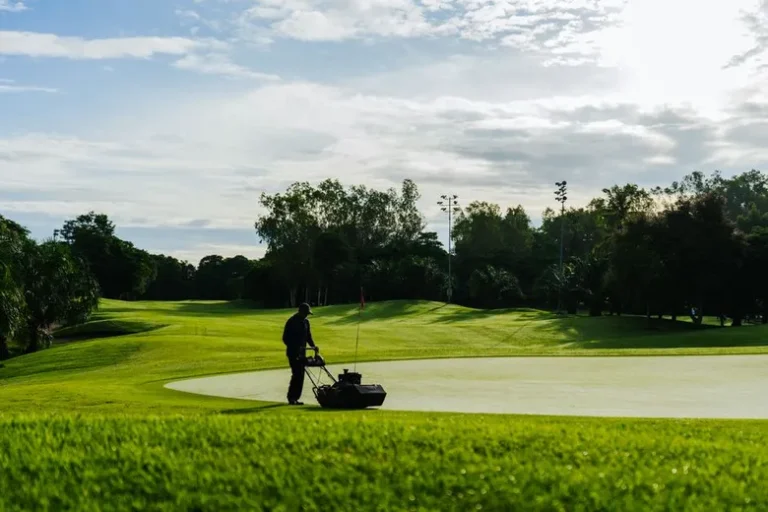
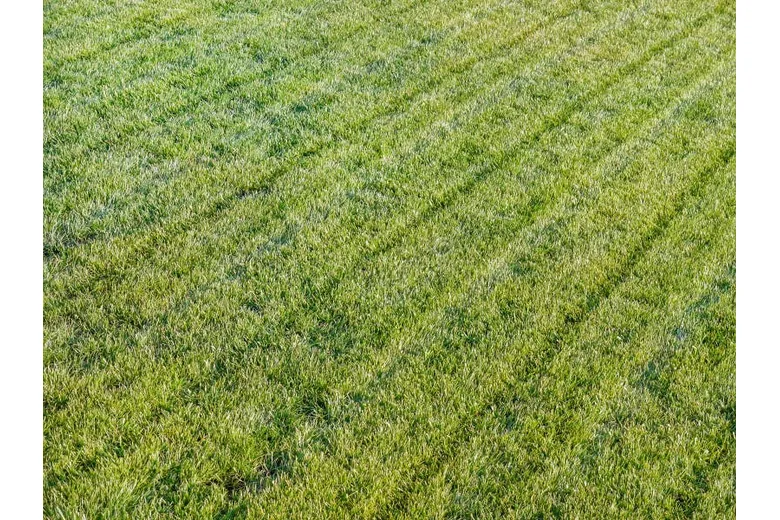
Apply these lawn mowing tips for a consistently green lawn. Mow when grass is dry to avoid clumps. Vary your mowing pattern each time to prevent soil compaction. Alternate directions – north-south one week, east-west the next. This keeps grass growing upright. Cut at the recommended height for your grass type. Do not mow during extreme heat or drought. Wait until the grass recovers. Use a sharp blade every time. Remove obstacles like toys and rocks before mowing.
Plan your mowing schedule based on growth, not calendar. In spring and fall, mow more often. In summer, growth slows, so mow less. Always follow the one-third rule. If grass gets too tall, gradually lower the height over several mowings. Never scalp your lawn. Lawn mowing tips also include collecting clippings if you have a fungal issue. Otherwise, mulch them. Regular dethatching and aeration complement mowing. For a comprehensive buying guide, see how to buy a lawn mower for home use.
- Mow dry grass to avoid clumps
- Vary mowing direction weekly
- Adjust frequency based on growth rate
- Gradually lower height for overgrown grass
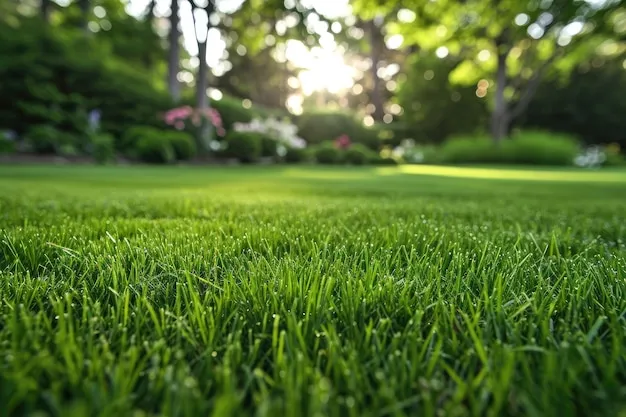
Image source: Freepik
Frequently Asked Questions
How often should I mow my lawn?
Mow as often as needed to follow the one-third rule. Typically every 5 to 10 days during growing season. In spring and fall, you may need to mow twice a week.
Should I water the lawn right after mowing?
Wait a few hours after mowing to water. This gives cut grass time to heal. Water early in the morning to reduce evaporation and disease risk.
Is it better to bag clippings or leave them?
Leave them! Mulching clippings returns nutrients to the soil. Bag only if grass is very tall, wet, or diseased.
What is the best mowing height for a green lawn?
For cool-season grass, 3 to 4 inches. For warm-season, 1 to 2 inches. Taller grass promotes deeper roots and shades the soil.
Conclusion
Keeping your lawn green after mowing is simple. Focus on proper mowing height, sharp blades, mulching clippings, and correct watering. These four habits reduce stress on grass. They save time and money. Your lawn will reward you with a thick, vibrant green carpet.
Start with the one-third rule. Check your mower blade sharpness. Water deeply but less often. Leave clippings on the lawn. With consistent care, your lawn will stay healthy and green all season long. Apply these tips and enjoy the best-looking lawn on the block.