How to Fix Common Lawn Mower Issues
If your lawn mower sputters, stalls, or refuses to start, you are not alone. How to fix common lawn mower issues is a skill every homeowner should learn. A well-maintained mower saves time and money. Simple lawn mower troubleshooting can solve most problems without a trip to the repair shop. This guide walks you through the most frequent failures and their easy fixes. Whether you face engine won’t start or a rough cut, we have you covered. Learn lawn mower repair basics and get your machine running smoothly again.
Mowers face wear and tear each season. Mower blade sharpening improves cut quality. Carburetor cleaning restores engine performance. Fuel issues, clogged filters, and dull blades are common. With basic tools and a little know-how, you can tackle these tasks. Follow along to diagnose and repair your mower like a pro.
Key Takeaways
- Main Point: Most mower issues come from fuel, spark, or blade problems. Check these first.
- Actionable Advice: Clean or replace the air filter and spark plug regularly to prevent starting trouble.
- Best Choice/Practice: Sharpen mower blades twice per season for a clean cut.
- Expert Insight: Always drain old fuel at season’s end to avoid carburetor clogs.
- Summary: With basic lawn mower troubleshooting, you can fix most issues yourself.
Engine Won’t Start: Common Causes and Fixes
The most frustrating issue is when your mower’s engine won’t start. This is often due to fuel, spark, or air problems. Let’s explore each cause and its solution.
Check the Fuel System
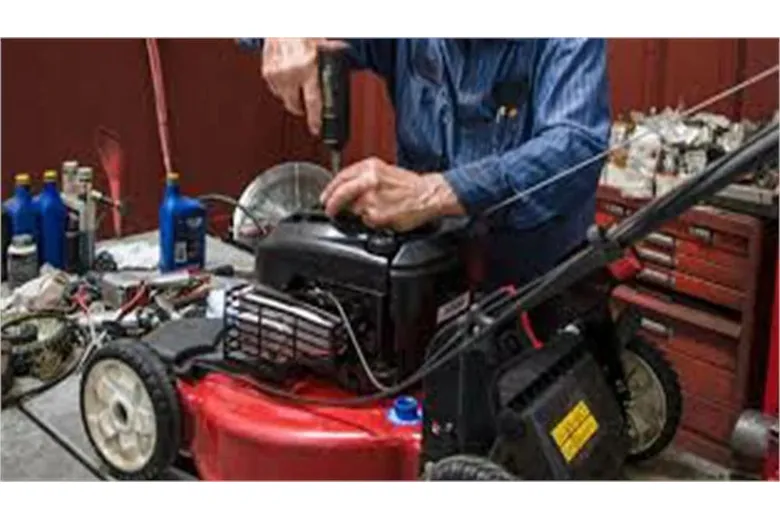
Old or dirty fuel is a top culprit. Gasoline degrades over time. It leaves varnish in the carburetor. Replace old fuel with fresh gasoline. Also inspect the fuel filter. A clogged filter stops fuel flow. Replace it if dirty. Carburetor cleaning may be needed if fuel sits for months. Remove the carburetor bowl and clean the jets with carb cleaner.
Inspect the Spark Plug
A worn or fouled spark plug prevents ignition. Remove the plug and check the gap. Use a gauge to set it correctly. Clean carbon deposits with a wire brush. Replace the plug if it looks damaged. Always use the correct plug type for your engine.
Air Filter and Choke
A dirty air filter restricts air. The engine gets too much fuel and floods. Inspect the foam or paper filter. Clean foam filters with soap and water. Replace paper filters annually. Also check the choke mechanism. It should open fully when warm. A stuck choke causes hard starting.
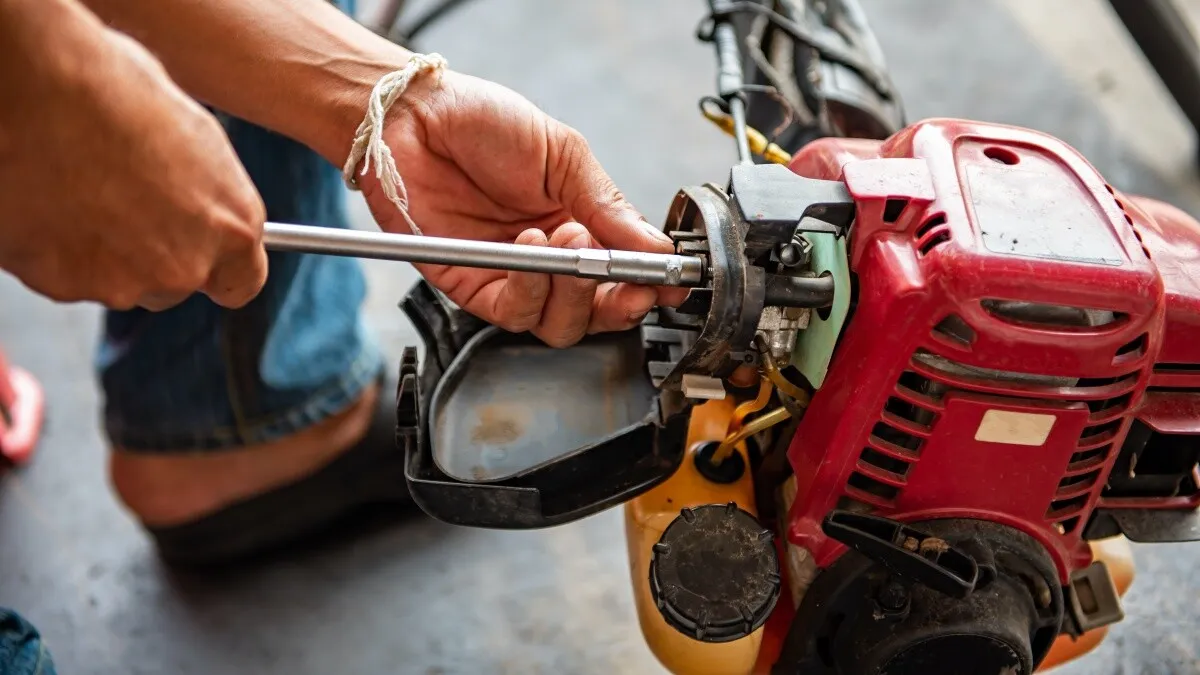
Image source: Airtasker
Lawn Mower Blade Issues: Sharpening and Replacement
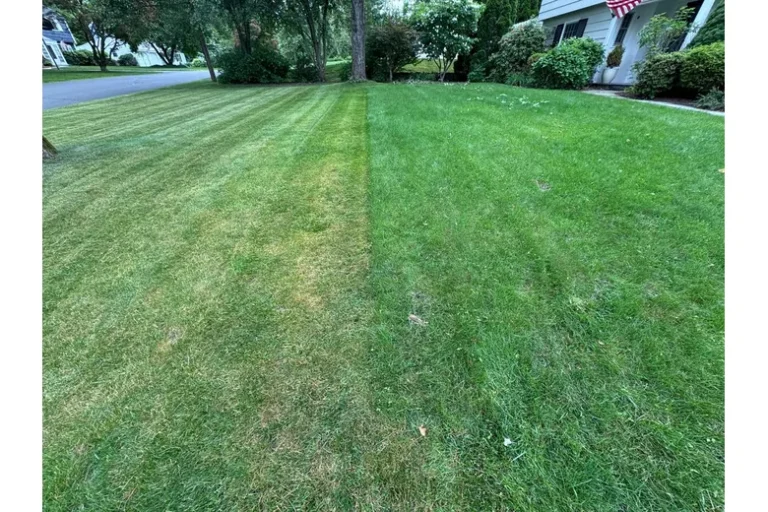
Dull blades tear grass instead of cutting it. Mower blade sharpening restores a clean cut. It also reduces strain on the engine. Check blades every 25 hours of use. If the cut is uneven or grass tips are brown, it is time to sharpen.
How to Sharpen Mower Blades
First, disconnect the spark plug for safety. Tip the mower on its side with the carburetor facing up. Use a wrench to remove the blade bolt. Secure the blade in a vise. Use a file or grinder to sharpen the cutting edge. Follow the original angle. Balance the blade after sharpening. An unbalanced blade causes vibration.
When to Replace Blades
If the blade is bent, cracked, or severely worn, replace it. New blades cut better and last longer. Always use OEM or high-quality aftermarket blades. Tighten the bolt to the manufacturer’s torque spec.
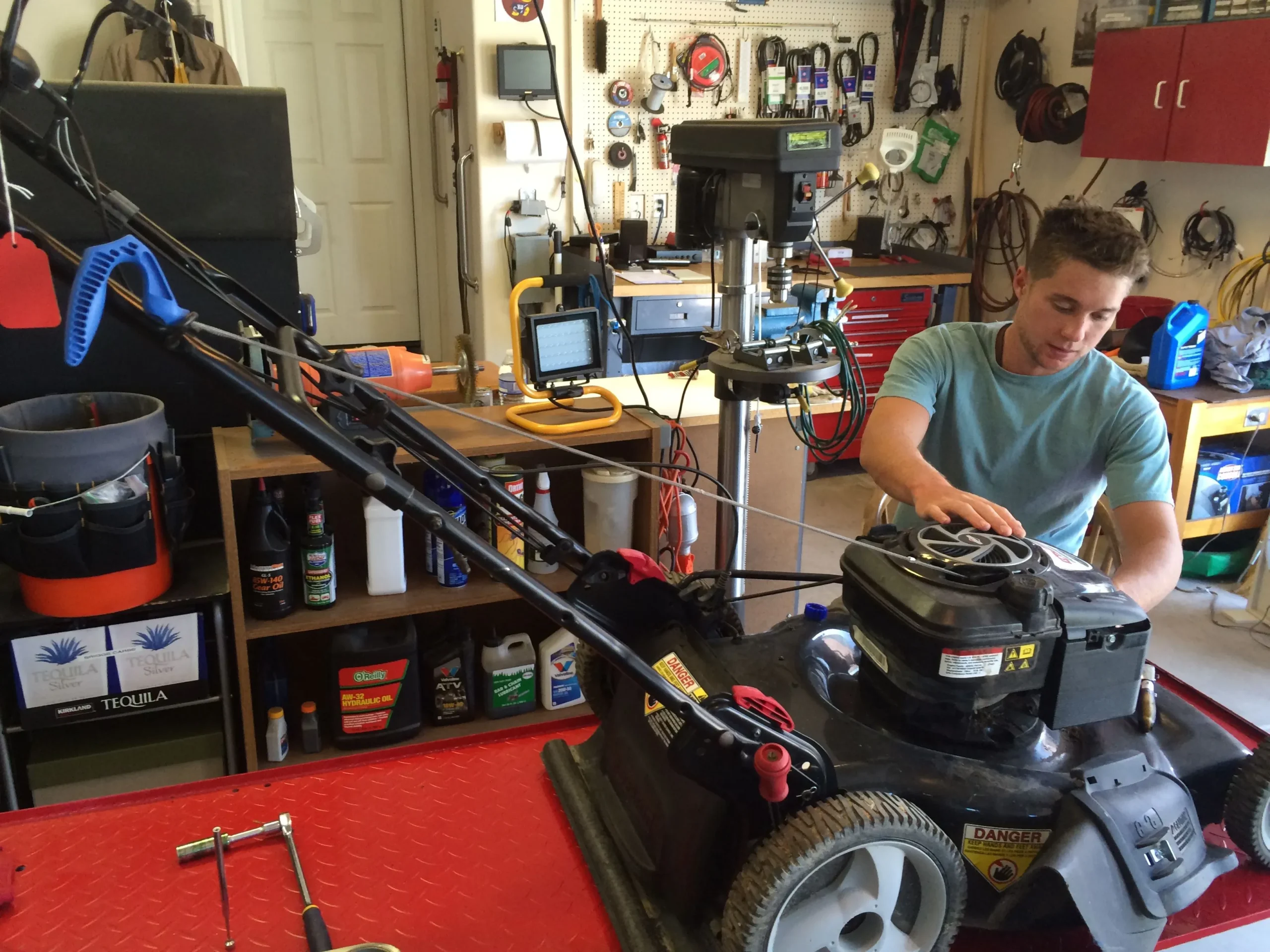
Image source: Pinimg
💡 Pro Tip
Always disconnect the spark plug before working on the blade or beneath the deck. This simple step prevents accidental starts and serious injury.
Carburetor Problems and Cleaning
The carburetor mixes air and fuel. When it gets dirty, the engine runs rough or not at all. Carburetor cleaning is a common lawn mower repair task. Ethanol in fuel attracts moisture and leaves deposits. Clean the carburetor at least once per season.
Signs of a Dirty Carburetor
Look for these symptoms: engine starts then dies, stalls under load, black smoke, or surging. If your mower sits unused for weeks, the carburetor likely needs cleaning. You can use spray carb cleaner. Remove the air filter and spray into the carb opening while cranking. For deeper cleaning, remove the carburetor and disassemble it.
Step-by-Step Carburetor Cleaning
Turn off the fuel valve. Drain the fuel bowl. Remove the carburetor from the engine. Take out the float, needle, and jets. Soak all metal parts in carb cleaner overnight. Use compressed air to blow out passages. Reassemble with new gaskets. Adjust the idle mixture screw if needed.
⚠️ Important Note
Never use ethanol-free gasoline? Actually, ethanol-free is best, but if you use ethanol blend, add a fuel stabilizer. Ethanol attracts moisture and can damage the carburetor over time.
Deck and Drive System Troubleshooting
Self-propelled mowers have drive issues. The wheels may not engage, or the mower pulls to one side. This often comes from a stretched or broken drive belt. Check the belt tension. Replace if frayed or loose. Also inspect the drive cable. It may need adjustment or lubrication.
Deck Leveling and Cleaning
An uneven deck causes scalping or uncut strips. Park the mower on a flat surface. Measure blade tip height at both sides. Adjust deck nuts to level it. Clean grass buildup under the deck regularly. A clean deck improves airflow and cutting performance.
Wheel and Axle Maintenance
Lubricate wheel bearings annually. Check for worn axles. Replace any loose or wobbly wheels. This ensures smooth movement and even cutting.
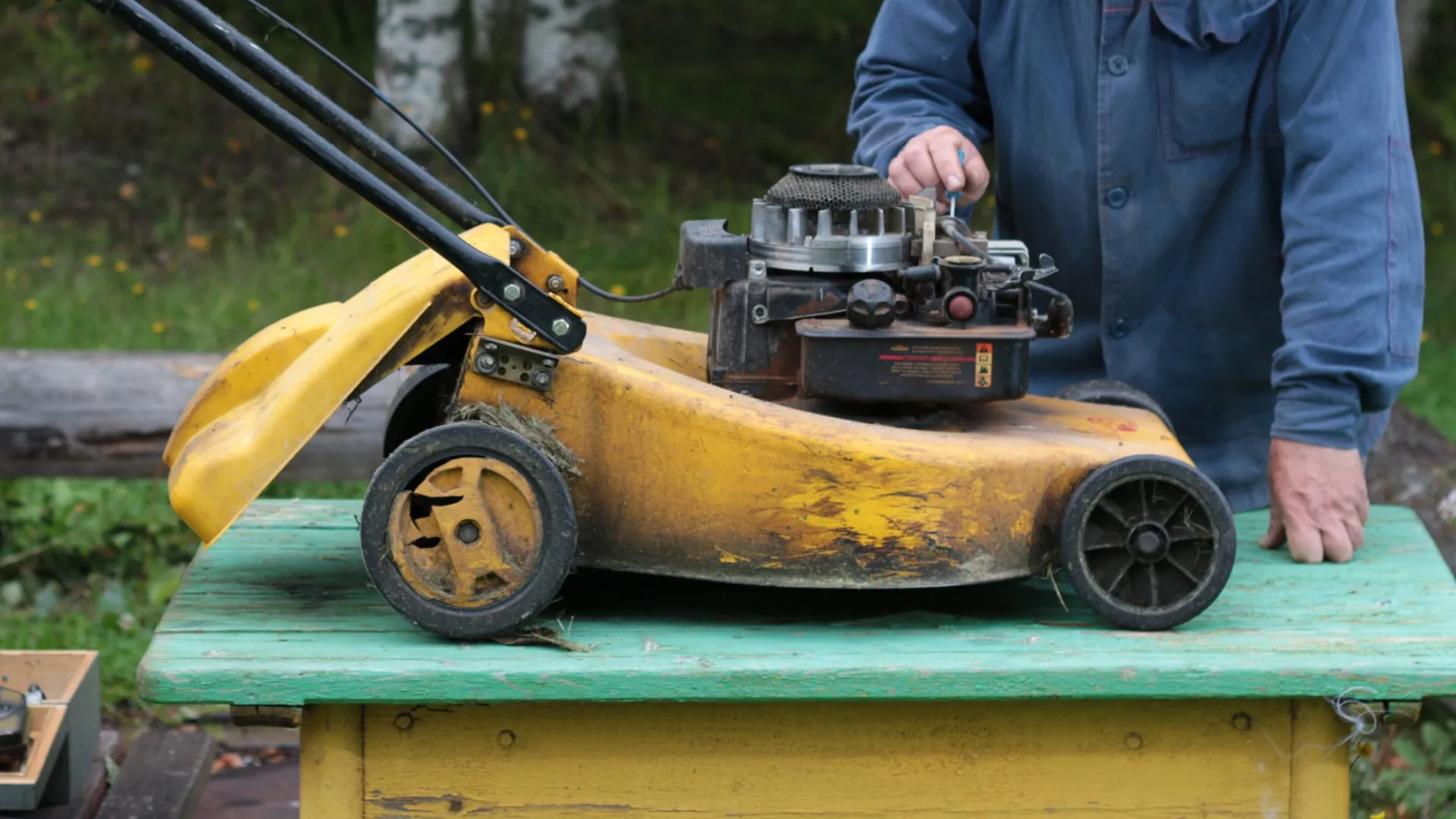
Image source: Lawnmowerguru
Regular Maintenance Tips to Prevent Issues
Prevention is better than cure. Follow a simple maintenance schedule. Change oil after every 50 hours of use. Use the correct oil grade for your engine. Replace spark plugs yearly. Clean or replace the air filter as needed. For tips on selecting the right equipment, see our guide on How to Buy a Lawn Mower for Home – Buying Guide. If you are choosing a new mower, check out How to Choose a Right Lawn Mower for You.
Fuel Storage Tips
Use fuel stabilizer in stored gasoline. Drain the tank at the end of the season. Run the carburetor dry to prevent deposits. Store the mower in a dry place. Cover it to keep out dust.
Blade Care Schedule
Sharpen blades after 20-25 hours of cutting. Check balance after each sharpening. Replace blades when they become too thin. A sharp blade reduces engine load and saves fuel.
Frequently Asked Questions
Why does my mower start then die?
This is often a fuel delivery issue. Check the fuel filter and carburetor. A dirty carburetor or a clogged fuel line is the usual cause. Clean the carburetor and replace the filter.
How often should I sharpen mower blades?
Sharpen blades every 20-25 hours of use. If you cut thick grass often, sharpen more frequently. A sharp blade gives a clean, healthy cut.
Can I use old gasoline in my mower?
No. Gasoline older than 30 days can cause starting problems. It loses volatility and leaves deposits. Always use fresh fuel and add stabilizer if storing.
What is the most common lawn mower problem?
An engine won’t start is the most common issue. It is usually due to old fuel, a dirty carburetor, or a bad spark plug. These are easy to fix with basic tools.
Conclusion
Knowing how to fix common lawn mower issues saves time and money. Most problems are simple to diagnose and repair. Start with the basics: fuel, spark, and blades. Regular maintenance prevents major breakdowns. Lawn mower troubleshooting becomes easy with practice. Keep your mower in top shape and enjoy a beautiful lawn all season.
Remember to follow safety precautions. Disconnect the spark plug before any repair. Use proper tools and wear gloves. If a problem is beyond your skill, seek professional help. With this guide, you can handle most lawn mower repair tasks yourself.