Do it Yourself Lawn Care
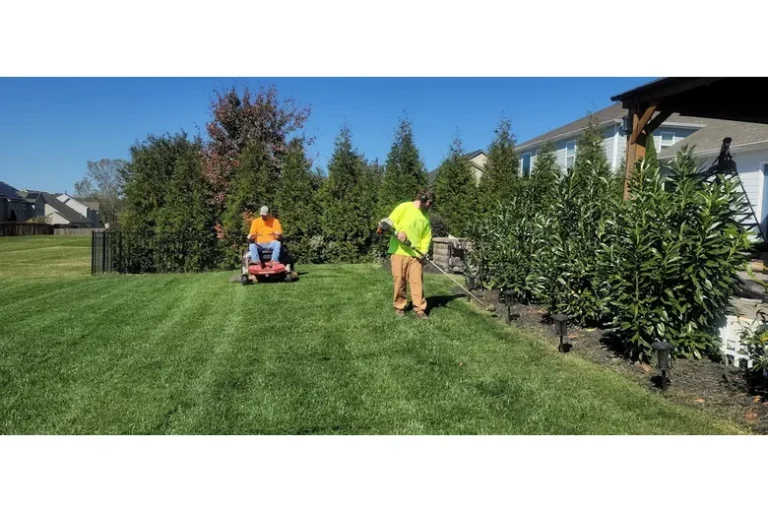
Do it yourself lawn care is a rewarding way to achieve a lush, green yard without professional costs. You save money and gain control over every step. This guide covers everything from mowing to fertilizing. You will learn simple techniques for a healthy lawn. Follow these steps and enjoy a beautiful landscape all year.
Many homeowners think lawn care is hard. But with the right knowledge, it becomes easy. You just need to understand your grass type and soil. Then you can pick the best products and methods. This article shares expert tips for your lawn. You will find home lawn care tips that work for any yard.
By taking charge of your lawn, you improve your property’s value and curb appeal. It also gives you a sense of pride. Let’s dive into the details of DIY lawn maintenance and get your grass looking its best.
Key Takeaways
- Main Point: Do it yourself lawn care saves money and gives you control over your lawn’s health.
- Actionable Advice: Test your soil before applying any fertilizer or treatment.
- Best Choice/Practice: Mow at the correct height for your grass type to reduce stress.
- Expert Insight: Water deeply but infrequently to encourage deep root growth.
- Summary: Consistent care with the right techniques leads to a thick, green lawn.
Understanding Your Lawn’s Needs
Every lawn is different. To succeed with do it yourself lawn care, you must know your grass type. Cool-season grasses like fescue thrive in northern areas. Warm-season grasses like Bermuda love the south. Identify your grass to tailor your care.
Soil health is also critical. A soil test reveals pH and nutrient levels. You can buy a test kit at a garden center. Adjust pH with lime or sulfur. Add nitrogen, phosphorus, and potassium as needed. This lawn fertilization guide helps you choose the right product.
Also check sunlight and drainage. Lawns need at least 4-6 hours of sun daily. Improve drainage with aeration if water pools. For more foundational tips, read our Essential Guide to Lawn Care Success.
Essential DIY Lawn Maintenance Tasks
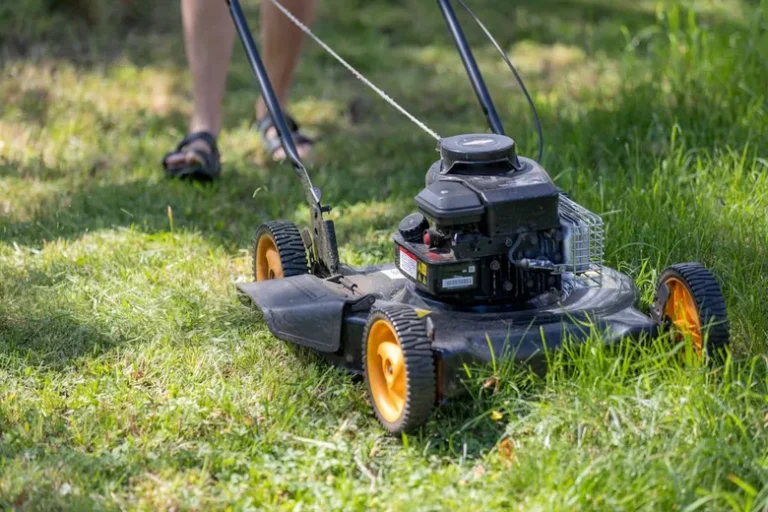
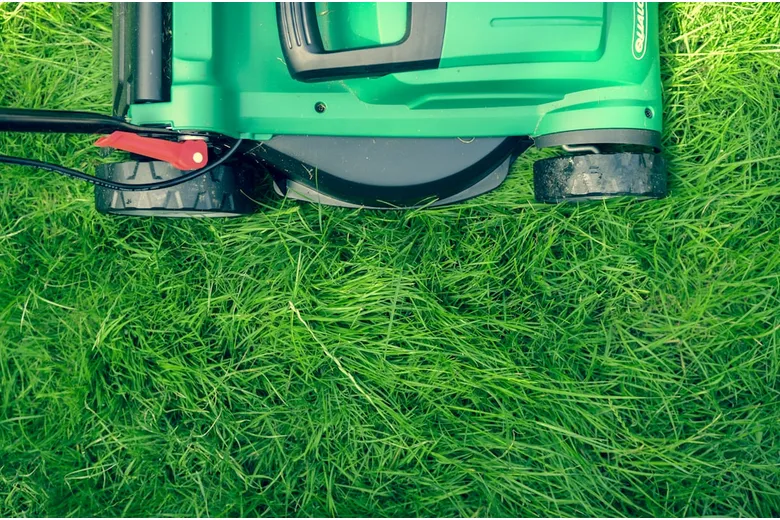
DIY lawn maintenance includes regular mowing, watering, and fertilizing. Mow at the right height: never cut more than one-third of the blade. For cool-season grass, keep it about 3 inches tall. Warm-season grass can be shorter at 1.5 inches.
Water deeply and rarely. Early morning is best to reduce evaporation. Aim for 1 inch of water per week including rain. Use a rain gauge to measure. Overwatering leads to disease and shallow roots. Underwatering stresses the grass.
Fertilize according to a schedule. Apply a balanced fertilizer in spring and fall. Use a slow-release formula for steady growth. Follow our lawn fertilization guide for precise timing. For more on equipment, see How to Buy a Lawn Mower for Home – Buying Guide.
💡 Pro Tip
To sharpen your mower blades, remove them and use a file or grinder. Sharp blades cut cleanly, reducing stress on grass and preventing disease.
Lawn Fertilization Guide for DIYers
A good lawn fertilization guide starts with the right product. Look for a fertilizer with N-P-K numbers. Nitrogen promotes green growth. Phosphorus helps roots. Potassium boosts stress tolerance. Use a soil test to pick the best ratio.
Apply fertilizer when grass is actively growing. For cool-season lawns, do it in early spring and fall. For warm-season lawns, late spring and summer. Follow package rates to avoid burning. Water after applying to move nutrients into soil.
Organic options like compost are great for slow release. They improve soil structure over time. Chemical fertilizers work faster but need careful use. Always wear gloves and spread evenly. Home lawn care tips include using a spreader for uniform coverage.
⚠️ Important Note
Never apply more fertilizer than recommended. Overfeeding can burn grass and pollute waterways. Always water after fertilizing to move nutrients into soil.
Weed Control for Lawns: DIY Strategies
Weed control for lawns is easier when your grass is healthy. Thick grass crowds out weeds. Use pre-emergent herbicides in early spring to stop seeds. Apply post-emergent on visible weeds. Spot treat to avoid damaging turf.
Hand pulling works for small areas. Pull when soil is moist to get roots. For broadleaf weeds like dandelion, use a weeding tool. Avoid overusing chemicals. Follow label instructions for safety. Rotate products to prevent resistance.
Natural methods include corn gluten meal as a pre-emergent. It stops seeds without chemicals. Vinegar spray can kill young weeds. But be careful: it also kills grass. Use on patios or driveways.
Weed Prevention Tips
- Mow high to shade weed seeds.
- Water deeply to encourage deep roots that outcompete weeds.
- Fertilize properly to keep grass dense.
- Aerate compacted soil to reduce weed growth.
Grass Overseeding for a Thicker Lawn
Grass overseeding fills in bare spots and improves density. Do it in early fall for cool-season grass, or late spring for warm-season. First, mow low and rake to expose soil. Then spread seed evenly.
Choose a seed blend matching your current grass. Water lightly daily until seeds germinate. Keep soil moist but not soggy. After 2-3 weeks, reduce watering frequency. Avoid mowing until new grass is 3 inches tall.
Overseeding is a key part of do it yourself lawn care. It rejuvenates old lawns without tearing them up. Combine with aeration for best results. Use a slice seeder for large areas.
Benefits of Overseeding
- Improves lawn density and color.
- Introduces disease-resistant varieties.
- Reduces weed invasion.
Seasonal Lawn Care Tips
Adjust your do it yourself lawn care routine by season. In spring, rake debris and apply pre-emergent. Summer needs deep watering and mowing high. Fall is for fertilizing and overseeding. Winter: keep off frozen grass.
Each season has specific tasks. For example, aerate in fall to relieve compaction. Dethatch in spring if thatch is thick. Clean leaves promptly to prevent smothering. Use home lawn care tips to stay on track.
Create a simple calendar. Mark when to fertilize, mow, and water. This keeps your lawn healthy year-round. Consistency is the secret to success.
Frequently Asked Questions
How often should I mow my lawn?
Mow once a week during growing season. Adjust based on growth rate. Never cut too short.
What is the best time to water?
Early morning between 4-8 AM. This reduces evaporation and disease risk.
How do I know if my lawn needs fertilizer?
Do a soil test. Look for yellowing grass or slow growth. Fertilizer helps maintain color.
Can I overseed a weedy lawn?
Control weeds first. Then overseed after removing weeds. Otherwise, weeds will compete.
Conclusion
Do it yourself lawn care is achievable with the right knowledge and tools. By understanding your lawn’s needs, you can save money and get great results. Follow the steps in this guide for a lush, healthy yard.
Remember to test soil, mow correctly, and water wisely. Use our lawn fertilization guide and weed control for lawns tips to overcome challenges. Stay consistent and enjoy the process. Your dream lawn is within reach.