How to Take Care of Lawn
Learning how to take care of lawn is essential for a beautiful outdoor space. A healthy lawn boosts curb appeal and provides a safe area for family activities. Many homeowners struggle with patchy grass, weeds, and bare spots. The good news is that caring for your lawn does not have to be complicated. With the right knowledge and consistent effort, you can enjoy a lush, green yard all year round.
This guide covers every essential aspect of lawn maintenance. You will learn about lawn mowing tips, proper watering, fertilization, and weed control. We also explain why lawn aeration benefits your soil. Whether you are a first-time homeowner or a seasoned gardener, this article gives you actionable steps to transform your lawn.
Remember, each lawn is unique. Factors like grass type, climate, and soil condition influence your care routine. However, the core principles remain the same. Follow these proven strategies, and your neighbors will soon ask for your secret.
Key Takeaways
- Main Point: Consistent care routines are the foundation of a healthy lawn. You cannot skip steps.
- Actionable Advice: Mow high and frequently, water deeply but rarely, and fertilize based on your grass type.
- Best Choice/Practice: Choose a sharp mower blade and keep grass at 3-4 inches to shade out weeds.
- Expert Insight: Aerate compacted soil annually to improve root growth and water penetration.
- Summary: Follow a seasonal schedule for mowing, feeding, and watering to achieve lasting results.
Essential Lawn Mowing Tips
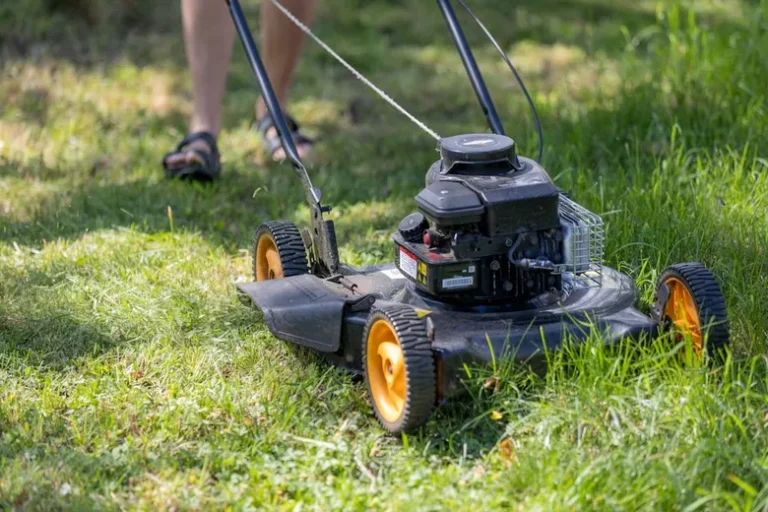
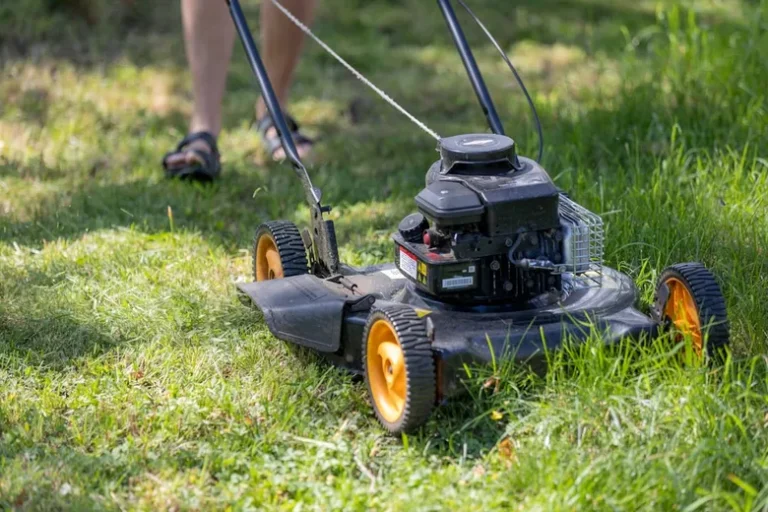
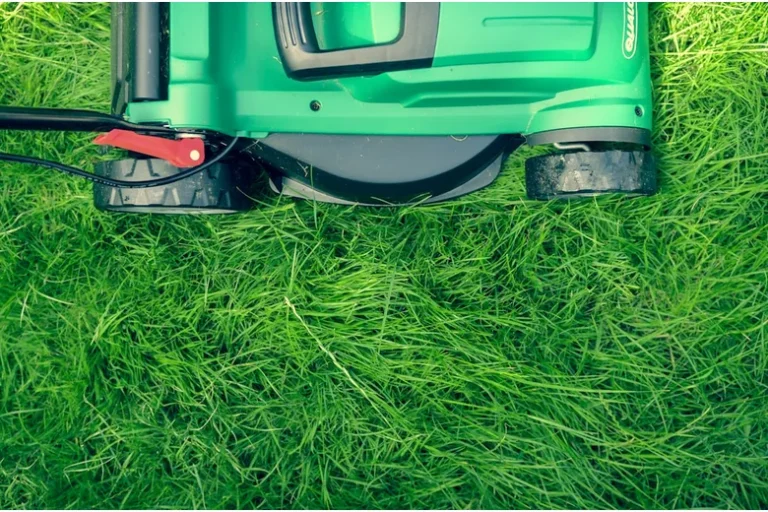
The way you mow affects your lawn’s health more than any other practice. Lawn mowing tips include cutting at the right height and frequency. Never remove more than one-third of the grass blade in a single mowing. Cutting too short stresses the grass and invites weeds.
Set your mower deck to the highest recommended setting for your grass type. For cool-season grasses like fescue, aim for 3.5 to 4 inches. Warm-season grasses like Bermuda do well at 1.5 to 2 inches. A taller lawn develops deeper roots and stays greener during dry spells.
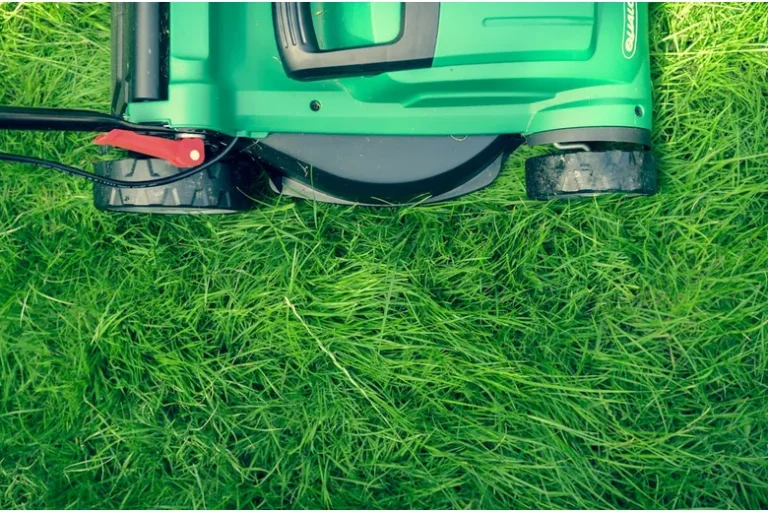
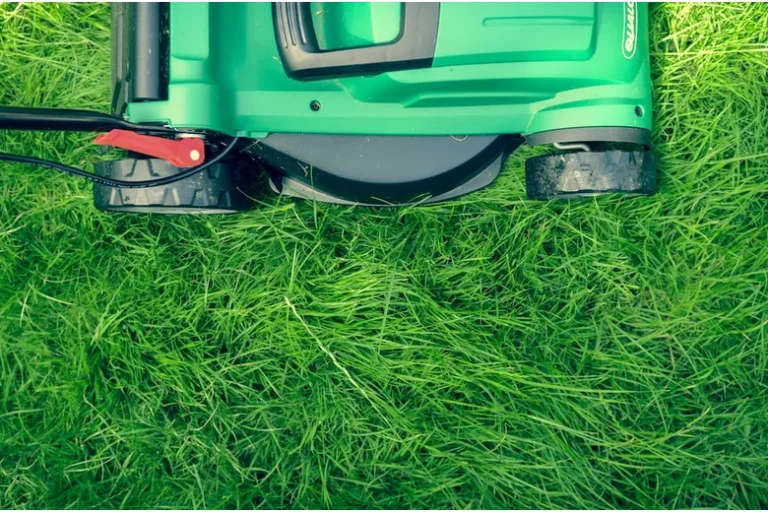
Sharp blades make clean cuts. Dull blades tear grass, leaving ragged edges that turn brown. Essential Guide to Lawn Care Success covers blade maintenance in detail. Mow when the grass is dry to avoid clumping. Change your mowing pattern each time to prevent soil compaction and rutting.
Use a mulching mower to recycle clippings. This returns nutrients to the soil and reduces fertilizer needs. If clumps appear, rake them out to allow sunlight to reach the grass.
Lawn Fertilization Schedule for Healthy Growth
Feeding your lawn at the right times makes a huge difference. A proper lawn fertilization schedule depends on your grass type. Cool-season grasses need fertilizer in early spring and fall. Warm-season grasses benefit from late spring and summer applications.
Use a slow-release nitrogen fertilizer to feed steadily. Apply at the rate recommended on the bag. Over-fertilizing burns the grass and causes rapid growth that requires more mowing. Always water after fertilizing to help nutrients reach the roots.

Soil testing helps you choose the right fertilizer blend. Test every two to three years. Adjust the nitrogen-phosphorus-potassium ratio based on results. A balanced fertilizer like 10-10-10 works for most lawns.
- Early Spring: Apply a light dose of nitrogen to boost green-up.
- Late Spring: Use a complete fertilizer with weed preventer if needed.
- Summer: Avoid heavy feeding during heat stress. Use iron supplements instead.
- Fall: Apply a high-potassium fertilizer to strengthen roots for winter.
💡 Pro Tip
Sharpen your mower blade at least once per season. A sharp blade cuts cleanly, reducing plant stress and disease. You can sharpen it yourself with a file or take it to a professional.
Weed Control for Lawns: Effective Strategies
Weed control for lawns starts with prevention. A thick, healthy lawn crowds out most weeds. But when invaders appear, you need a plan. Identify the weed type first. Broadleaf weeds like dandelions and clover respond to post-emergent herbicides. Grassy weeds like crabgrass may require pre-emergent treatments.
Apply pre-emergent herbicides in early spring before soil temperatures reach 55°F. This stops crabgrass and other annual weeds from germinating. For existing weeds, spot-treat with a selective herbicide that won’t harm your grass. Follow label instructions carefully.

Hand-pulling works for small infestations. Water the area first to loosen roots. Use a weeding tool to remove the entire taproot. Mulch garden beds to prevent weed seeds from blowing into the lawn. Mowing at the correct height also discourages weeds by shading the soil.
⚠️ Important Note
Never apply fertilizer to frozen or waterlogged soil. The runoff can pollute waterways. Always measure your lawn area and follow bag rates exactly to avoid burning your grass.
Lawn Watering Guide: How Much and How Often
Watering incorrectly is a common mistake. A good lawn watering guide emphasizes deep, infrequent watering. Water deeply enough to saturate the soil to 6 inches. This encourages roots to grow deep, making the lawn more drought-tolerant.
Most lawns need about 1 to 1.5 inches of water per week, including rainfall. Use a rain gauge or a tuna can to measure. Water in the early morning to reduce evaporation and disease risk. Avoid evening watering, as wet grass overnight promotes fungus.
Signs of underwatering: grass turns bluish-gray and footprints remain visible after walking. Overwatering leads to runoff, shallow roots, and fungal growth. Adjust your schedule based on season and soil type. Sandy soil drains faster and needs more frequent watering. Clay soil holds moisture longer.
- Water 2-3 times per week during hot weather.
- Reduce watering in cool spring and fall.
- Use sprinklers that provide even coverage. Avoid puddles.
Lawn Aeration Benefits and Best Practices
Compacted soil prevents air, water, and nutrients from reaching grassroots. Lawn aeration benefits include improved root growth, better drainage, and thicker turf. Core aeration removes small plugs of soil and thatch. This relieves compaction and allows the lawn to breathe.
Aerate during the growing season. For cool-season grass, do it in early spring or fall. For warm-season grass, late spring to early summer works best. If you have heavy clay or high foot traffic, aerate annually. Otherwise, every two to three years is sufficient.
Rent a core aerator from a local equipment shop. Mark sprinkler heads and shallow utility lines before starting. Go over the lawn twice in different directions for thorough coverage. Leave the plugs on the lawn; they break down and return nutrients to the soil.
Following aeration, overseed and fertilize to fill thin spots. Water the seeds lightly every day until they germinate. This combination yields dramatic improvements. For more on equipment, read How to Buy a Lawn Mower for Home – Buying Guide to choose the right mower for your needs.
Frequently Asked Questions
How often should I water my lawn?
Most lawns need 1 to 1.5 inches of water per week. Water deeply 2-3 times per week instead of daily shallow watering.
What is the best height to cut grass?
Keep cool-season grasses at 3-4 inches and warm-season grasses at 1.5-2 inches. Never cut more than one-third of the blade.
When should I fertilize my lawn?
Fertilize cool-season grass in early spring and fall. Warm-season grass benefits from late spring and summer feedings. Always follow a soil test.
How do I get rid of weeds without chemicals?
Maintain a thick lawn through proper mowing and fertilization. Hand-pull weeds, use corn gluten meal as a natural pre-emergent, and apply vinegar-based sprays for spot treatment.
Conclusion
Caring for your lawn is a rewarding journey. By mastering how to take care of lawn, you create a vibrant outdoor space for relaxation and play. Stick to the fundamentals: mow high, water deeply, fertilize strategically, and control weeds promptly.
Each season brings new tasks. In spring, focus on cleaning debris and early feeding. Summer demands careful watering and mowing. Fall is perfect for aeration and overseeding. Winter requires minimal work—just keep leaves off the grass.
Start small. Implement one or two changes this week. Over time, your efforts will yield a thick, green lawn that makes you proud. For more detailed advice, explore our complete library of lawn care articles.