
How to Mow Your Lawn for Better Results
How to mow your lawn for better results is a question every homeowner asks. A well-mowed lawn looks great and stays healthy. It also prevents weeds and diseases. Many people mow too short or too rarely. This guide will show you the best way to mow. You will learn about mowing height, patterns, and timing. Follow these steps for a lawn you can be proud of.
Mowing is not just about cutting grass. It is a key part of lawn care. The right technique helps grass grow thick and strong. Wrong methods stress the grass. This leads to brown patches and weeds. With a few simple changes, you can transform your lawn. Let us start with the basics.
Key Takeaways
- Main Point: Mow at the best height for your grass type to encourage deep roots and shade out weeds.
- Actionable Advice: Never cut more than one-third of the grass blade in a single mow.
- Best Practice: Use sharp blades and change mowing patterns each time.
- Expert Insight: Water and fertilize after mowing, not before, to avoid clumping and disease.
- Summary: Consistent care and proper technique lead to a healthier, greener lawn.
Choosing the Right Mowing Height
One of the most important lawn mowing tips is to set the correct blade height. The best mowing height depends on your grass type. Cool-season grasses like fescue and bluegrass do best at 3 to 4 inches. Warm-season grasses like Bermuda and Zoysia thrive at 1 to 2 inches. Taller grass shades the soil, reducing water loss and weed growth. It also develops deeper roots.
A common mistake is scalping the lawn. Cutting too low stresses the grass. It exposes the soil to sun and weeds. Always follow the one-third rule. Never remove more than one-third of the leaf blade at once. If your grass is 4 inches tall, mow to about 2.5 inches. This keeps the lawn healthy and dense.
Mastering Grass Cutting Patterns
Many homeowners use the same mowing path every time. This creates ruts and compacts the soil. Changing your grass cutting patterns is a simple trick. Alternate between north-south and east-west passes. You can also try diagonal or spiral patterns. This helps the grass grow straight and avoids tire tracks.
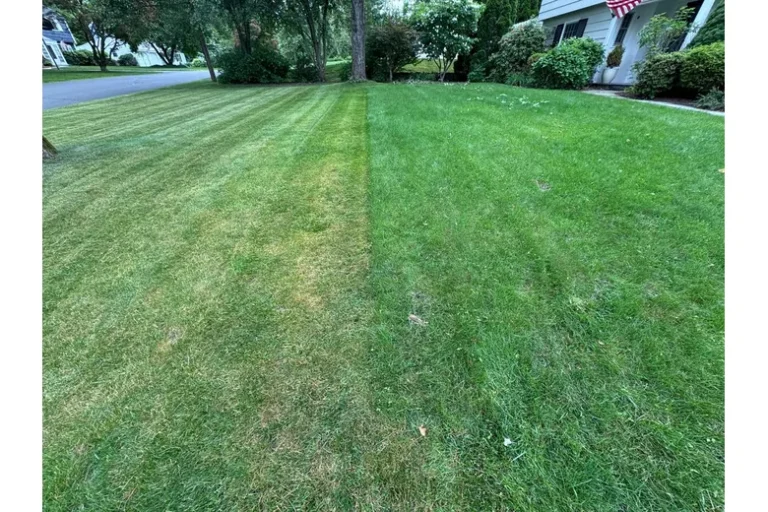
Patterns also improve lawn appearance. Striping is a popular technique. It creates light and dark bands. To stripe, mow in straight lines and alternate direction. Use a roller or a mower with a roller attachment. For a checkerboard effect, mow in one direction first, then perpendicular. This adds visual depth and shows off your care.
💡 Pro Tip
For the best striping effect, use a lawn roller or a mower with a rear roller. Mow in straight lines at a steady pace, then go perpendicular for a checkerboard pattern.
Setting the Right Mowing Frequency
How often you mow affects lawn health. The right mowing frequency depends on grass growth. In spring, grass grows fast. You may need to mow every 5 to 7 days. In summer, growth slows. Mow every 10 to 14 days. Never let the grass become overgrown. Cutting too much at once stresses it.
Watch for growth signs. If you see seed heads, it is time to mow. A good rule is to mow when the grass is one-third taller than your desired height. For a 3-inch ideal height, mow when grass reaches 4.5 inches. This keeps the lawn neat without shock.
⚠️ Important Note
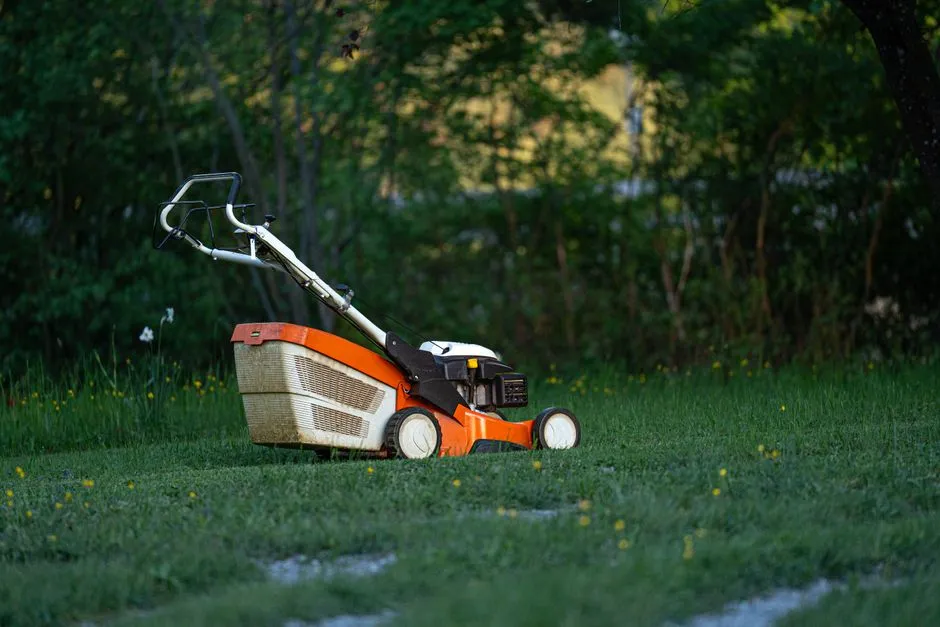
Never mow wet grass. It clumps, clogs your mower, and can spread fungal diseases. Wait until the grass is dry, typically in the late morning after dew evaporates.
Lawn Care After Mowing
Lawn care after mowing is often overlooked. Proper post-mow steps boost recovery. First, leave grass clippings on the lawn unless they are long. Clippings return nutrients to the soil. They also help retain moisture. If clumps form, rake them to avoid smothering grass.
Water deeply after mowing if needed. Early morning is best. Avoid evening watering to prevent disease. Fertilize lightly every 6 to 8 weeks during the growing season. Use a slow-release fertilizer. Also check your mower blade. A dull blade tears grass, making it look brown. Sharpen it every season or after 25 hours of use.
Essential Equipment and Safety Tips
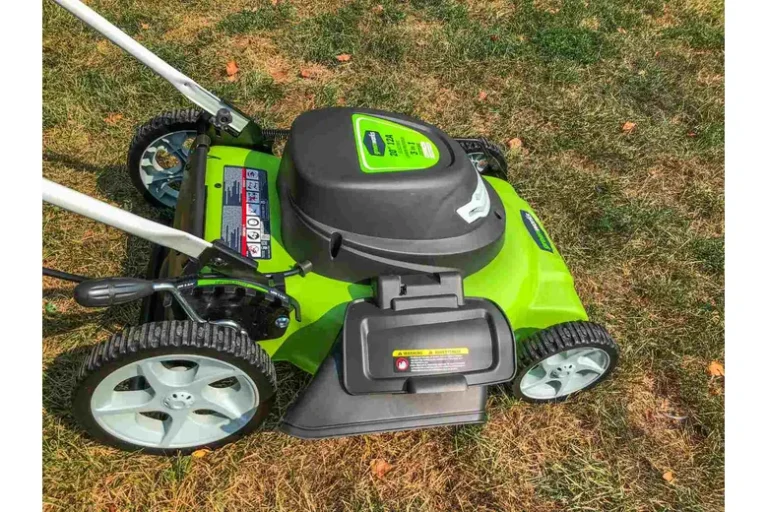
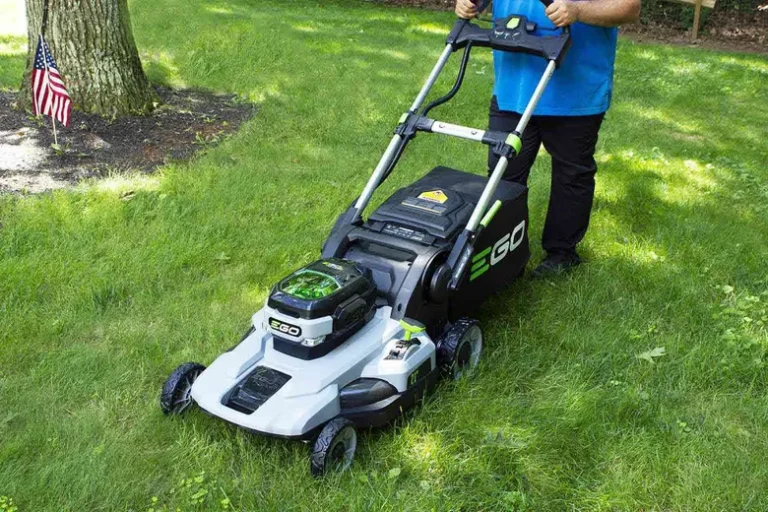
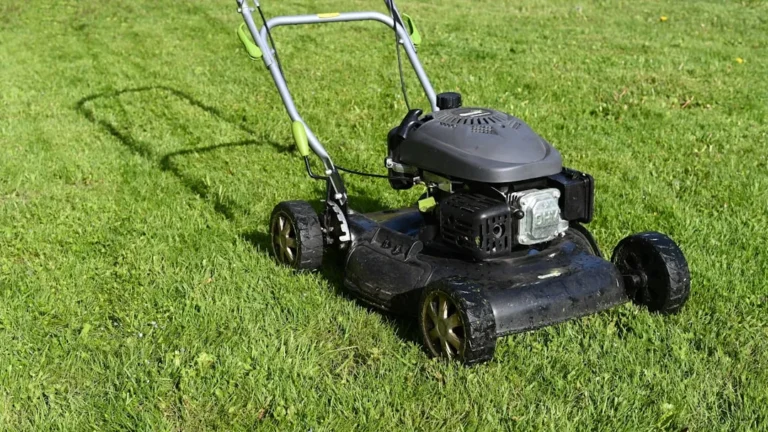
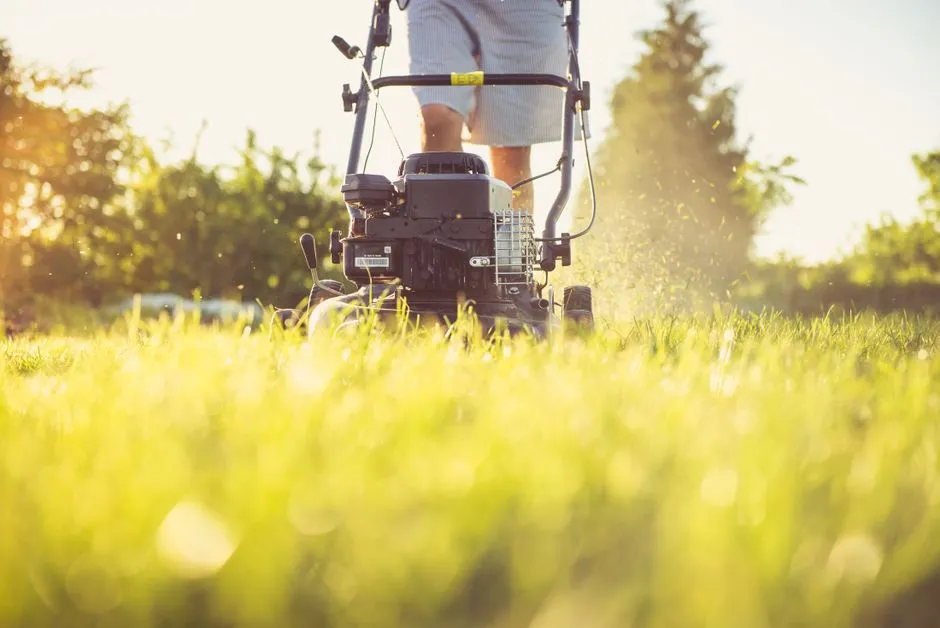
Using the right equipment makes lawn mowing tips easier. Choose a mower that fits your lawn size. For small lawns, a reel mower works well. For larger areas, a self-propelled gas or electric mower saves time. Keep your mower in good shape. Change oil, replace spark plugs, and clean the deck regularly. A well-maintained mower cuts cleanly and lasts longer.
Safety is crucial. Always wear closed-toe shoes and long pants. Remove rocks and toys before mowing. Never mow wet grass. It clogs the mower and increases slip risk. For more details on selecting the right machine, read our guide on how to choose a right lawn mower for you.
Avoiding Common Mowing Mistakes
Even experienced homeowners make errors. One mistake is mowing with dull blades. Dull blades tear grass, causing brown tips. Another is mowing too low. This exposes roots and invites weeds. Also, do not mow when the grass is wet. Wet grass clumps and can spread disease.
Many people ignore the mowing pattern. Always vary your path. This prevents soil compaction and ruts. Also, do not bag clippings all the time. Leave them for natural fertilizer. If you have a mulching mower, use it. Finally, do not rush. Mowing frequency matters more than speed. Take your time for a clean cut. For more buying advice, see our lawn mower buying guide.
Seasonal Mowing Strategies
Mowing needs change with the seasons. In spring, grass grows fast. Mow more often and keep it a bit lower to encourage tillering. In summer, raise the mower height to shade the soil. This reduces water loss. In fall, gradually lower the height as growth slows. This helps prevent snow mold. In winter, stop mowing if the grass goes dormant.
Adjust your schedule based on weather. After a rainy period, grass grows quickly. Mow before it gets too long. During drought, let the grass grow taller. Best mowing height in summer is about 3.5 to 4 inches for cool-season grass. In winter, you can mow lower to prevent matting.
Frequently Asked Questions
How short should I cut my grass?
Keep grass 2.5 to 4 inches tall for cool-season types, and 1 to 2 inches for warm-season types. Never cut more than one-third in one mow.
Should I water before or after mowing?
Water after mowing, not before. Wet grass clogs the mower and can cause disease. Water early in the morning after mowing.
How often should I sharpen my mower blade?
Sharpen the blade every 25 hours of use or at least once a season. A sharp blade cuts cleanly, reducing stress on the grass.
Can I mow in different directions each time?
Yes! Alternate patterns to prevent ruts and encourage upright growth. Try horizontal, vertical, or diagonal stripes for a professional look.
Conclusion
Mowing your lawn well does not need to be hard. Focus on the right height, pattern, and frequency. Use sharp blades and change directions. Lawn care after mowing matters too. Leave clippings, water appropriately, and fertilize lightly.
By following these lawn mowing tips, you will see a thicker, greener lawn. Remember that consistency is key. Mow often enough to avoid cutting too much at once. With patience and practice, you can achieve the lawn of your dreams.