How to Cut Grass Without Damaging Your Lawn
How to cut grass without damaging your lawn is a skill every homeowner should master. A beautiful lawn requires more than just regular mowing; it demands the right techniques to avoid stress and disease. In this guide, you will learn the essential steps to mow like a pro and keep your grass healthy all season.
Mowing seems simple, but many people make mistakes that harm their lawn. Cutting too short, using a dull blade, or mowing infrequently can cause long-term damage. By understanding the key factors—proper mowing height, a sharp mower blade, correct mowing frequency, grass clippings recycling, and how to avoid scalping—you can transform your lawn care routine.
In this comprehensive article, we will cover every aspect of safe mowing. You will get practical tips, expert insights, and a clear action plan. Let’s start with the most critical concept: height.
Key Takeaways
- Main Point: Mowing at the correct height is the foundation of a healthy lawn.
- Actionable Advice: Always keep your mower blade sharp and adjust cutting height based on grass type.
- Best Choice/Practice: Follow the one-third rule: never remove more than one-third of the grass blade length at once.
- Expert Insight: Leaving grass clippings on the lawn returns nutrients and reduces fertilizer needs.
- Summary: Proper mowing frequency, height, and blade maintenance prevent damage and promote dense growth.
Understanding Proper Mowing Height
Proper mowing height is the single most important factor in lawn health. Each grass type has an ideal height range. For cool-season grasses like Kentucky bluegrass, aim for 2.5 to 3.5 inches. Warm-season grasses like Bermuda prefer 0.5 to 2 inches. Cutting too low stresses the roots and invites weeds.
When you cut grass too short, it exposes the soil to sunlight, causing weeds to sprout. It also reduces the plant’s ability to photosynthesize, leading to a weak lawn. Always follow the one-third rule: never remove more than one-third of the leaf blade in a single mowing. If your grass is too tall, gradually lower the height over several mowings.
To determine your lawn’s ideal height, measure the grass before mowing. Set your mower deck to the recommended height for your specific grass type. For example, fine fescue lawns do best at 3 to 4 inches. Adjust with the seasons: raise height in summer to shade roots and lower slightly in spring and fall.
The Importance of a Sharp Mower Blade
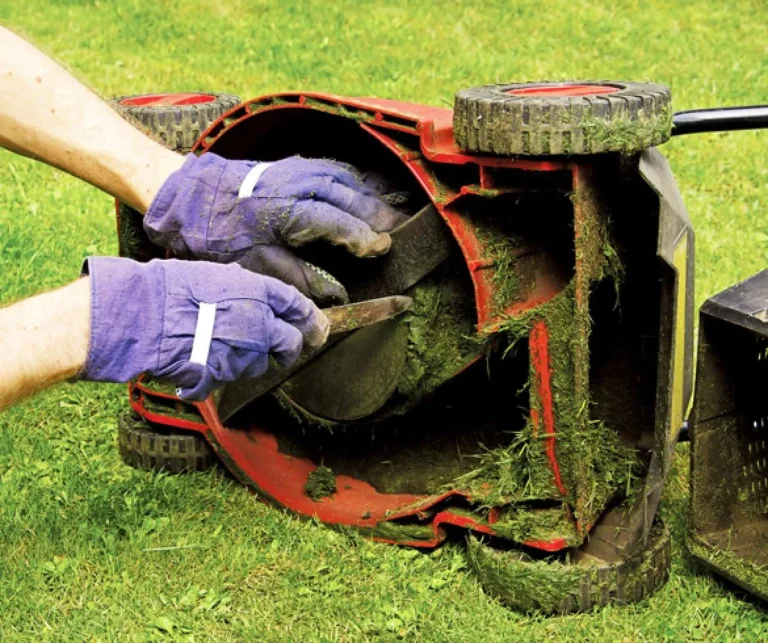
A sharp mower blade makes a clean cut. Dull blades tear the grass, leaving ragged edges that turn brown and invite disease. Sharpening your blade at least twice per season is essential. You can do it yourself with a file or grinder, or take it to a professional.
Signs of a dull blade include frayed grass tips, yellowing, and increased disease. After sharpening, balance the blade to prevent vibration. A balanced blade ensures even cut and reduces wear on your mower. Check the blade every month during the growing season.
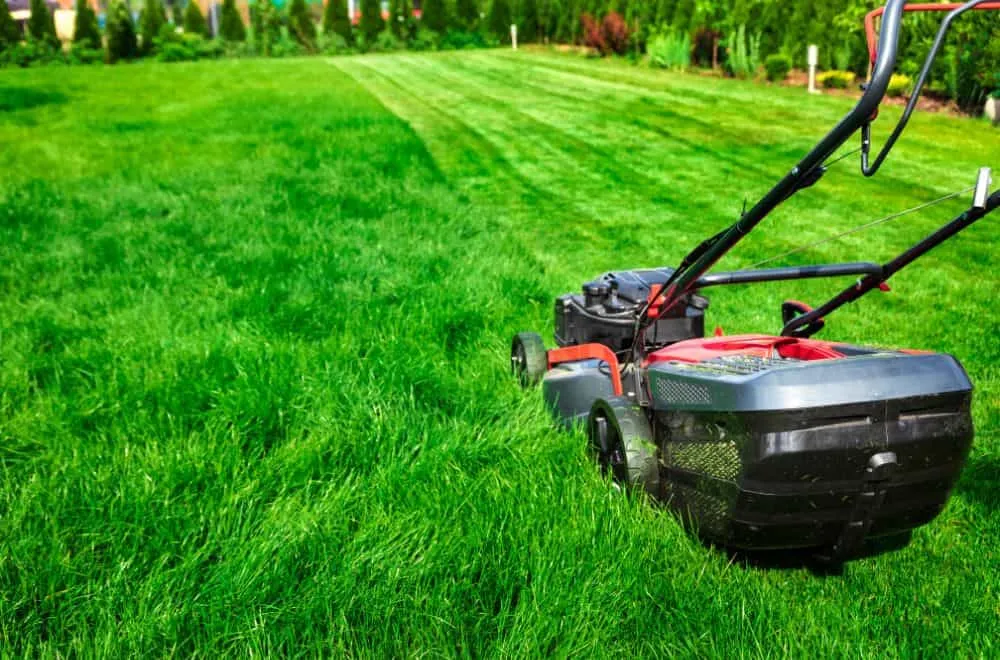
Image source: Freeplants
💡 Pro Tip
To keep your mower blade sharp, sharpen it at least twice per season and check for nicks after each use. A sharp blade reduces tearing and keeps your lawn looking professional.
Establishing the Right Mowing Frequency
Mowing frequency depends on growth rate, not a fixed schedule. During spring, grass grows fast, so mow every 4–5 days. In summer, slow growth means 7–10 days. Never mow wet grass—it clumps and causes an uneven cut.
Follow the one-third rule to determine frequency. If your grass grows 1 inch, mow when it reaches 1.5 inches above the ideal height. This keeps the lawn stress-free. Consistent mowing encourages thick, healthy turf that crowds out weeds.
Changes in weather affect growth. After rain or fertilization, grass grows faster. Adjust your schedule accordingly. Using a mower with a mulching capability helps recycle clippings efficiently.
⚠️ Important Note
Never cut more than one-third of the grass blade in a single mowing. Cutting too short (scalping) weakens the grass and invites weeds and diseases. Always adjust height gradually.
Recycling Grass Clippings for a Healthier Lawn
Grass clippings recycling is a smart practice. Leaving clippings on the lawn (grasscycling) returns nitrogen and organic matter to the soil. This reduces fertilizer needs by up to 25%. Clippings decompose quickly and do not cause thatch if mowed at the right height.
To recycle effectively, mow when grass is dry and use a mulching blade. Avoid long clippings—if they are too long, they smother the grass. Use the one-third rule to keep clippings short. If you must bag, compost the clippings for garden use.
Benefits of grass clippings recycling:
- Saves time and reduces yard waste.
- Adds nutrients naturally without synthetic fertilizers.
- Improves soil structure and moisture retention.
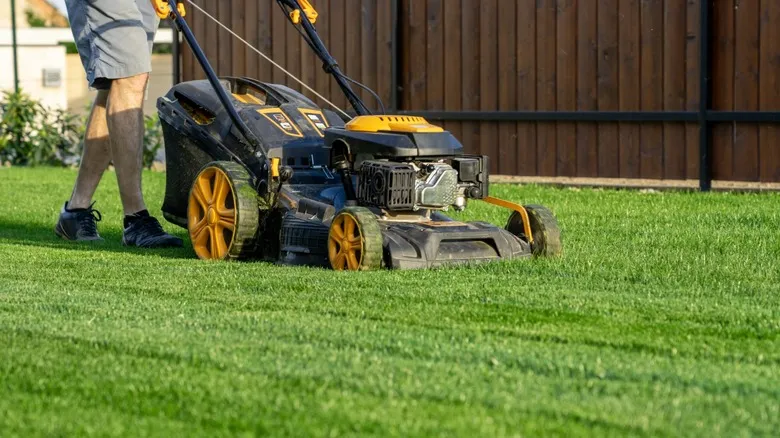
Image source: Outdoorguide
Avoiding Scalping and Other Common Mistakes
Avoid scalping by never cutting off more than one-third of the grass blade. Scalping exposes the soil, damages crown tissue, and weakens the lawn. It often happens when mowing an overgrown lawn or using an uneven mower deck.
Other mistakes include mowing with a dull blade, mowing wet grass, and mowing too infrequently. Each error stresses the grass and leads to brown patches or disease. To avoid scalping, always check your mower deck height before each use.
Tips for a healthy mowing routine:
- Mow at the right height for your grass type.
- Keep blades sharp—dull blades tear grass.
- Change mowing pattern each time to prevent soil compaction.
- Leave clippings when short; bag when long.
If you’re looking for a new mower, check out our guide on how to buy a lawn mower for home. Choosing the right mower makes proper mowing easier.
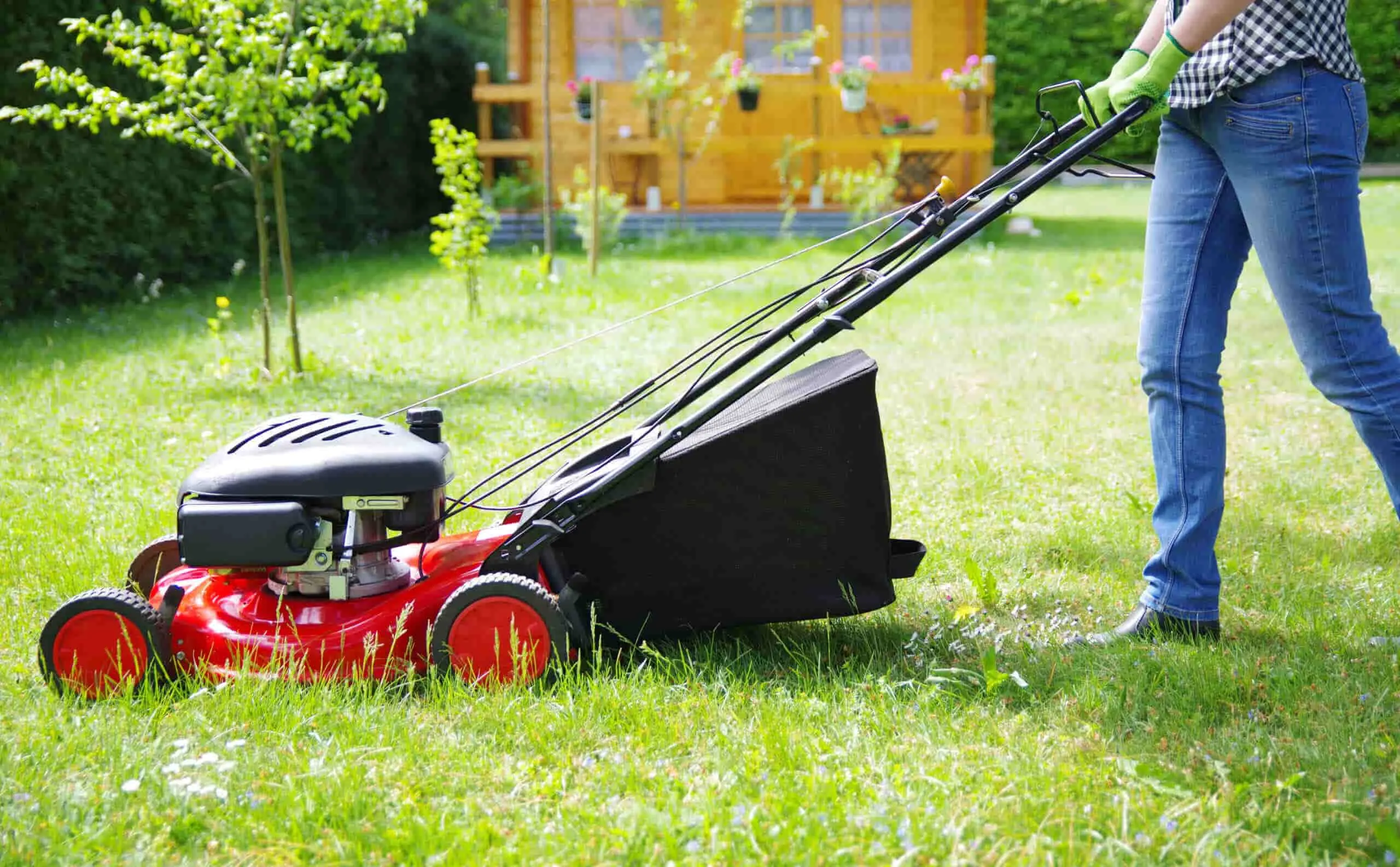
Image source: Thearchitecturedesigns
Additional Best Practices for a Perfect Cut
Watering and Mowing Schedule
Water deeply but infrequently to encourage deep roots. Mow when the grass is dry to avoid clumping. Early morning is the best time for mowing—stress from heat is lower.
Sharpen your blade after every 25 hours of use. Store your mower properly to prevent rust. For more on selecting the right equipment, see how to choose a right lawn mower for you.
Seasonal Mowing Adjustments
In spring, mow slightly lower to remove winter debris. In summer, raise the deck to shade roots. In fall, lower again for final cut. Adjust frequency based on growth.
Bullet points for seasonal tips:
- Spring: Start mowing when grass reaches 3 inches.
- Summer: Raise height 1 inch taller than normal.
- Fall: Gradually lower height for winter preparation.
Frequently Asked Questions
What is the best height to cut grass?
The best height varies by grass type. Cool-season grasses: 2.5–3.5 inches. Warm-season: 1–2 inches. Never cut more than one-third of the blade.
How often should I mow my lawn?
Mow based on growth, not a fixed schedule. Typically every 5–7 days in active growth periods. Use the one-third rule to determine frequency.
Is it bad to mow when grass is wet?
Yes. Wet grass clumps, clogs the mower, and produces an uneven cut. It also increases the risk of disease spread. Always mow dry grass.
Should I leave grass clippings on the lawn?
Yes. Recycling clippings returns nutrients and reduces fertilizer need. If clippings are long, bag them, but short clippings are fine to leave.
Conclusion
Mastering how to cut grass without damaging your lawn is achievable with the right techniques. Focus on proper mowing height, a sharp mower blade, correct mowing frequency, grass clippings recycling, and always avoid scalping. These practices create a lush, resilient lawn.
Start implementing these tips today. Your lawn will reward you with deep green color and thick growth. Remember, consistency is key. With each mowing, you build a healthier turf.