
How to Improve Lawn Mowing Techniques Easily
Improve lawn mowing techniques with a few simple adjustments can transform your yard from patchy to picture-perfect. Many homeowners overlook the basics, but small changes in how you mow make a big difference. In this guide, you will learn practical lawn mowing tips that are easy to apply. We cover mowing patterns, grass cutting height, mowing frequency, and other lawn care basics. By the end, you will have a clear plan to get a lush, green lawn.
Mowing is more than cutting grass. It is a key part of lawn care basics that affects root health, weed growth, and water retention. When you mow correctly, your grass grows thicker and stays greener. You also reduce stress on the turf. This guide is for beginners and experienced gardeners alike. Let us start with the fundamentals.
The best part is that you do not need expensive equipment. A sharp blade, proper technique, and a consistent schedule are enough. Follow these steps, and you will see results in just a few weeks.
Key Takeaways
- Main Point: Correct mowing technique is crucial for lawn health. Simple changes prevent damage and promote growth.
- Actionable Advice: Always mow with sharp blades and follow the one-third rule – never cut more than one-third of the grass blade length.
- Best Practice: Alternate mowing patterns each time to avoid soil compaction and ruts.
- Expert Insight: Grass cutting height varies by season; keep it taller in summer to shade roots and retain moisture.
- Summary: Master these lawn mowing tips – proper height, frequency, and pattern – for a thicker, greener lawn year-round.
Master the Basics of Lawn Mowing
To improve lawn mowing techniques, start with the essentials. The lawn care basics include using a sharp mower blade, setting the right deck height, and mowing when the grass is dry. A dull blade tears grass instead of cutting it cleanly. This leads to brown tips and disease.
Check your blade every month. Sharpen it at least once a year or after every 25 hours of use. Also, clear the mower deck of debris to ensure proper airflow. Grass cutting height is another critical factor. Most grasses thrive when cut to 2.5–3.5 inches. Taller grass develops deeper roots and shades out weeds.
Always follow the one-third rule. Never remove more than one-third of the leaf blade at once. If your grass is overgrown, mow twice – first at a higher setting, then lower a day later. This prevents shock and leaves a clean cut.
Here are some quick lawn mowing tips for beginners:
- Mow in the evening to reduce evaporation stress.
- Keep blades sharp for a clean cut.
- Vary your mowing path to avoid ruts.
- Leave grass clippings on the lawn (grasscycling) to return nutrients.
- Adjust height for warm and cool seasons.
Choose the Right Mowing Patterns
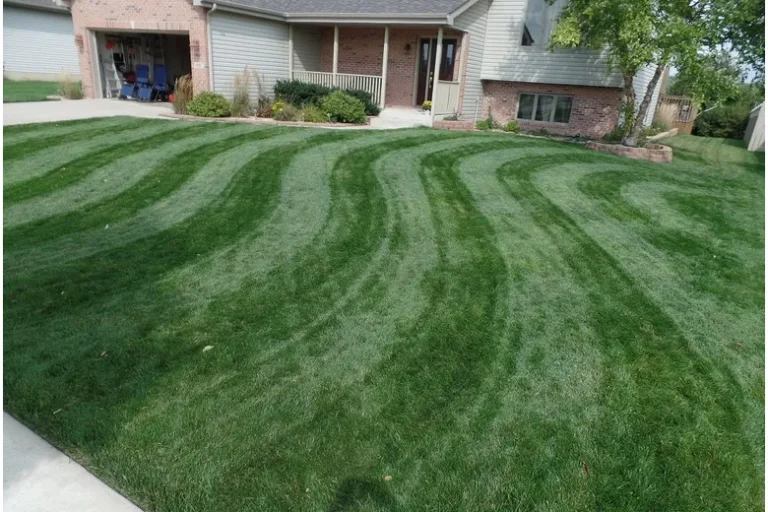
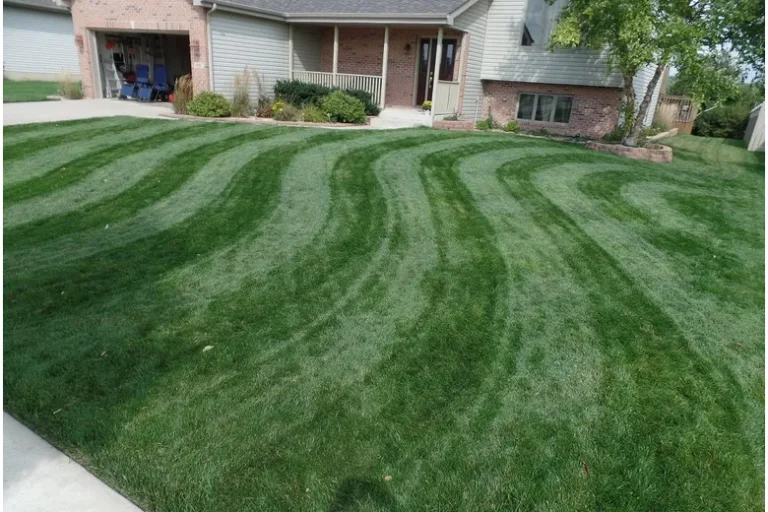
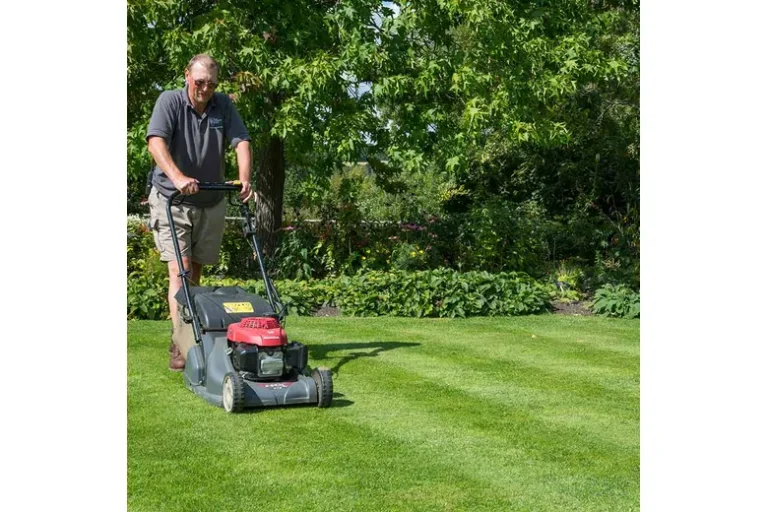
Mowing patterns are not just for looks. They affect how the grass recovers and how evenly it is cut. Alternating patterns prevents the grass from bending in one direction and helps the lawn stand upright. Common patterns include stripes, checkerboard, and circular mowing.
Start with a straight line along a straight edge (like a sidewalk). Then turn around and mow in the opposite direction. This creates a mowing pattern that minimizes clumping. For best results, change your pattern every time you mow. This reduces soil compaction and wear on the turf.
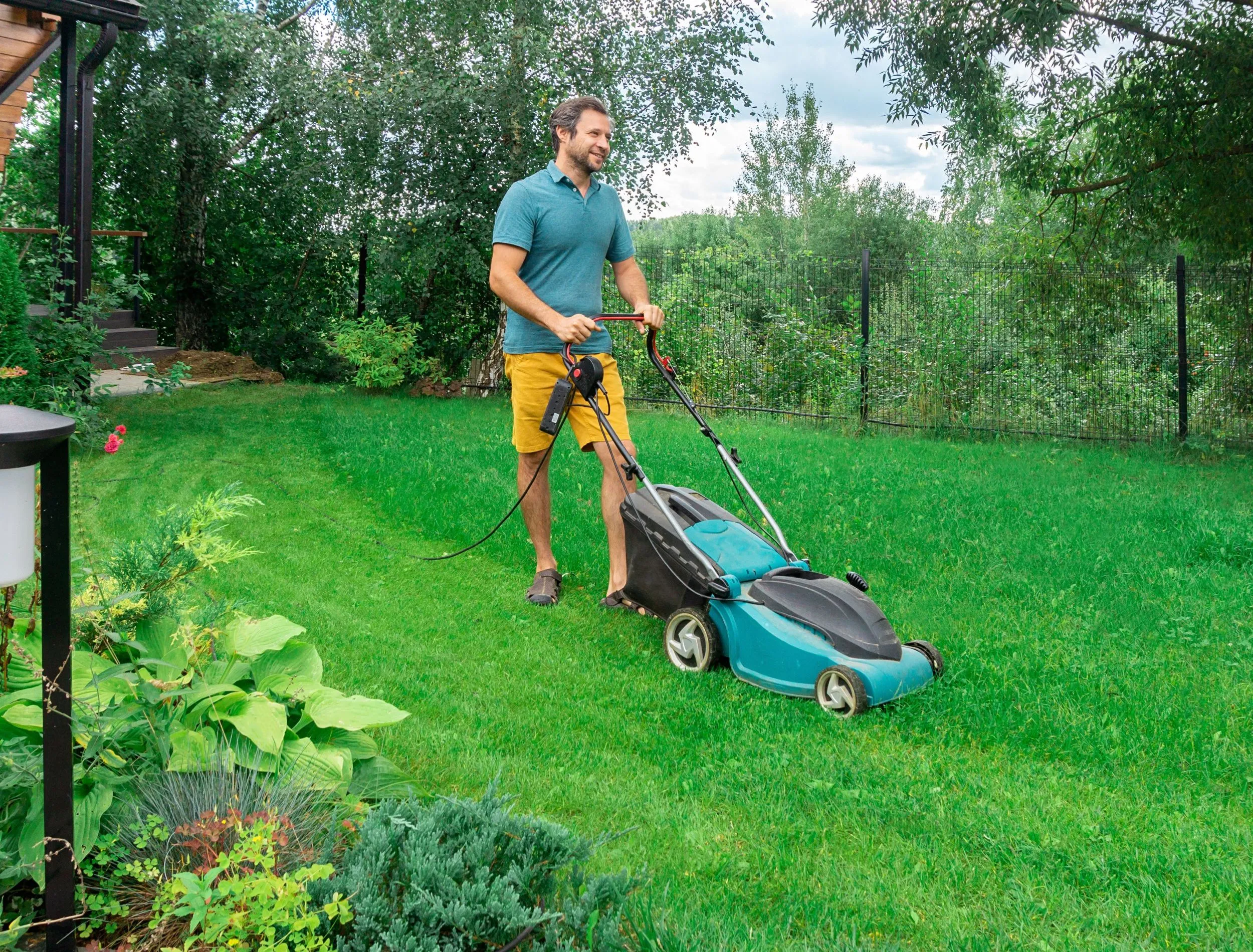
Image source: Backyardbossimages
If you have a large lawn, consider using a striping kit to create professional-looking stripes. However, even without extra equipment, simply alternating north-south and east-west patterns works well. Remember to overlap each pass slightly to avoid missed strips.
Pro tip: When mowing slopes, always go across the slope (sideways) instead of up and down to prevent the mower from tipping. Safety first.
💡 Pro Tip
To avoid leaving tracks, always alternate your mowing direction. This helps the grass stand upright and reduces wear patterns.
Set the Correct Grass Cutting Height
One of the most common mistakes is cutting grass too short. This weakens the plants and invites weeds. Grass cutting height depends on the grass type and season. For cool-season grasses (like fescue and bluegrass), keep it 2.5–3.5 inches in spring and fall, and raise to 3–4 inches in summer. Warm-season grasses (Bermuda, Zoysia) can be cut shorter – 1–2 inches – but raise height in summer.
Use the one-third rule as a guide. If your grass is 4 inches tall, cut it to 3 inches. Lowering the deck too much can scalp the lawn. Scalping exposes soil and stresses the grass. It also gives weeds a chance to sprout.
To measure, use a ruler or the height of the grass after cutting. Adjust your mower deck accordingly. Check the height on a flat area. Lawn mowing tips often emphasize that taller grass shades the soil, reducing water loss and weed germination.
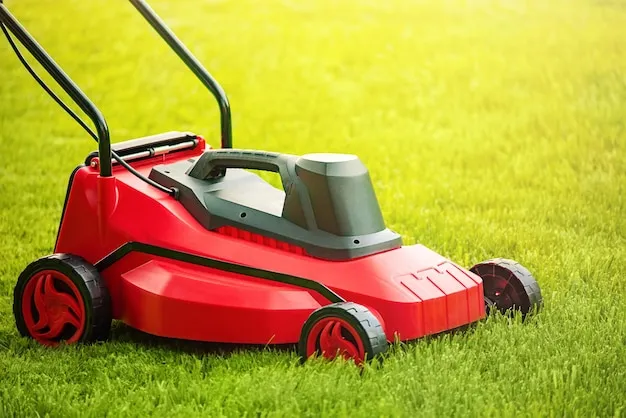
Image source: Freepik
Remember to never cut wet grass. It clogs the mower and leaves uneven clumps. Wet grass also increases the risk of disease. Wait until the grass is dry, usually in the late morning or evening.
Adjust height gradually over a few mowings when changing seasons. Sudden changes shock the grass. For instance, in early spring, lower the height by half an inch each mow until you reach the desired summer height.
⚠️ Important Note
Never cut off more than one-third of the grass blade at once. Doing so can shock the lawn, cause browning, and invite weeds.
Optimize Mowing Frequency
Mowing frequency is another pillar of lawn care basics. Mowing too often stresses the grass; mowing too rarely results in long, tough clippings. The ideal schedule depends on growth rate, which varies with season, fertilizer, and water. During rapid growth (spring and fall), mow every 5–7 days. In summer, slow growth may allow 10–14 days between mows.
Use the one-third rule to decide when to mow. If the grass has grown beyond the desired height by more than one-third, it is time to cut. Do not wait until the grass is very tall. Long grass requires multiple passes and leaves heavy clumps that smother the lawn.
Keep a log of mowing dates to spot trends. For example, if you mow every 6 days in spring, note the height before and after. Adjust based on weather. Rainy periods increase growth; drought slows it. Lawn mowing tips often stress consistency over perfect timing.
One way to reduce mowing frequency is to follow lawn care basics like proper watering and fertilizing. A healthy lawn grows at a steady rate. Avoid over-fertilizing in spring, which causes excessive leaf growth. Instead, use slow-release fertilizers. For more on maintaining green grass after mowing, see How to Keep Your Lawn Green After Mowing.
Essential Lawn Care Basics for Better Results
Beyond mowing techniques, overall lawn care basics play a big role. Good mowing alone cannot fix poor soil or weeds. Combine these tips with proper watering, fertilizing, and aeration for best results. Water deeply and infrequently (about 1 inch per week) to encourage deep roots. Water early in the morning to reduce evaporation.
Fertilize based on grass type and season. Cool-season grasses need fertilizer in spring and fall; warm-season ones in summer. Use a soil test to know what nutrients are lacking. Aeration once a year relieves soil compaction and improves water infiltration. Also, overseed thin areas in fall for thicker growth.
When buying a mower, choose one that fits your lawn size and terrain. For a detailed guide, check out How to Buy a Lawn Mower for Home – Buying Guide.
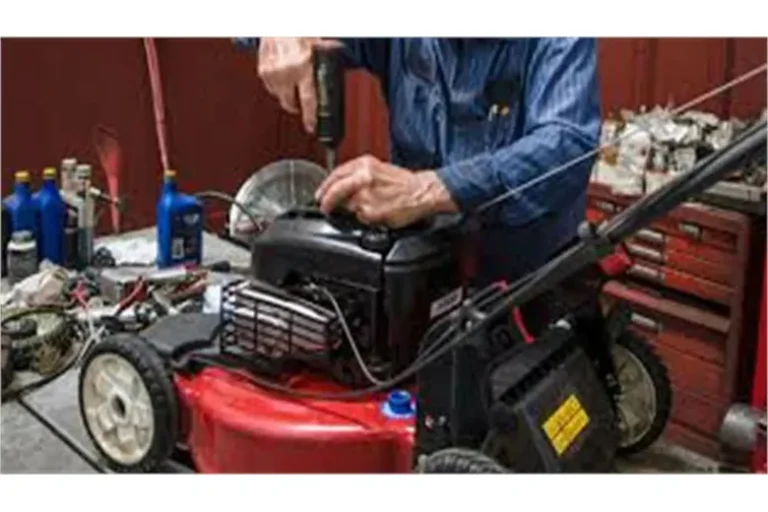
Keep your mower maintained: change oil, clean the underside, and replace spark plugs as needed. A well-maintained mower cuts evenly and lasts longer.
Frequently Asked Questions
How often should I sharpen my mower blade?
Sharpen your blade at least once a year or after 25 hours of use. Dull blades tear grass, leading to brown tips and disease.
Is it better to mow high or low?
Mow high (2.5–3.5 inches for cool-season grasses) to promote deep roots, shade soil, and reduce weeds. Only lower in late fall or early spring for clean-up.
Should I leave grass clippings on the lawn?
Yes, leave clippings unless they are long and clumpy. Clippings decompose quickly and return nutrients to the soil.
What is the best time of day to mow?
Mow in the late afternoon or evening when grass is dry and temperatures are cooler. Avoid early morning due to dew.
Conclusion
Improving your lawn mowing techniques is simple when you focus on the basics. Start with sharp blades, proper grass cutting height, and consistent mowing frequency. Alternate mowing patterns to avoid ruts and compaction. Combine these lawn mowing tips with overall lawn care basics like watering and fertilizing for a thick, green lawn.
Remember, every mow is an opportunity to strengthen your turf. Apply these techniques consistently, and you will see dramatic improvements without extra cost or effort. Your lawn will look better, need fewer inputs, and become more resilient to pests and drought. Start implementing these steps today, and enjoy a healthier lawn tomorrow.