How to Mow Grass Like a Professional
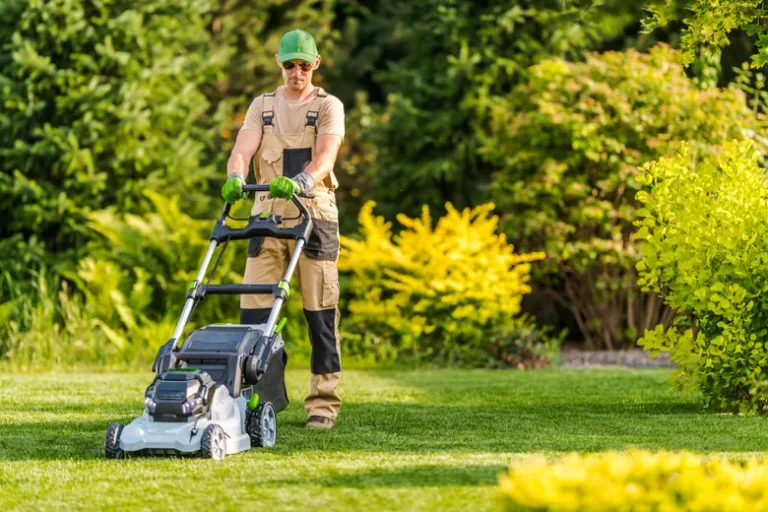
Learning how to mow grass like a professional is easier than you think. It all starts with the right approach. Professionals know that mowing is not just a chore. It is a key part of lawn care. By following proven lawn mowing techniques, you can transform your yard. This guide will teach you everything you need to know. You will learn about mowing patterns, grass cutting height, and lawn striping. We also cover mower blade maintenance. Let us begin your journey to a perfect lawn.
Professional mowing does more than make your lawn look good. It promotes deep root growth. It prevents weeds and diseases. It also saves you time and effort. When you mow like a pro, you get a thicker, greener lawn. Your grass becomes more resilient. You also reduce the need for water and chemicals. This is why professional lawn mowing techniques matter.
Many homeowners think mowing is simple. But there is a science behind it. Professionals adjust their methods based on grass type, season, and weather. They also use the right tools. You do not need expensive equipment. You just need knowledge and practice. This guide will give you that knowledge. You will learn step by step. Soon, your lawn will look like a golf course.
Key Takeaways
- Main Point: Professional mowing uses specific lawn mowing techniques for a healthy lawn.
- Actionable Advice: Always set your grass cutting height to the correct level for your grass type.
- Best Practice: Change your mowing patterns each time to avoid soil compaction.
- Expert Insight: Sharp mower blade maintenance gives clean cuts that heal faster.
- Summary: Follow these tips to mow like a pro and enjoy a beautiful, healthy lawn.
Master the Grass Cutting Height
The grass cutting height is the most important factor. It affects root depth, moisture retention, and weed growth. Cutting too short stresses grass. Cutting too long invites pests. Professionals follow the one-third rule. Never cut more than one-third of the blade length at once. This avoids shock and keeps your lawn healthy.
Each grass type has an ideal height. For cool-season grasses like Kentucky bluegrass, keep it 2.5 to 3.5 inches. For warm-season grasses like Bermuda, keep it 1 to 2 inches. Adjust height based on season. In summer, raise the blade to shade the soil. In spring and fall, lower it slightly. Here are some recommended heights:
- Kentucky bluegrass: 2.5–3.5 inches
- Perennial ryegrass: 2–3 inches
- Fescue: 3–4 inches
- Bermuda grass: 1–2 inches
- Zoysia grass: 1–2.5 inches
Always measure your grass cutting height from the soil to the tip. Use a ruler to check. This ensures accuracy. Professionals never guess. They set the mower deck precisely. This simple step makes a huge difference. Your lawn will look uniform and lush.
Use Professional Mowing Patterns
Mowing patterns are not just for show. They improve lawn health by preventing soil compaction. When you mow the same direction every time, grass leans. It also creates ruts. Professionals change patterns with each mow. Common patterns include straight lines, diagonal lines, and checkerboards. These patterns also make lawn striping possible.
To create a pattern, pick a starting point. Mow in straight lines. Overlap each pass slightly. At the end of each row, turn sharply. This creates a clean line. Alternate the direction each week. For example, mow north-south one week. Next week, mow east-west. This balances wear. It also helps grass grow upright. Here are three popular patterns:
- Straight line: Simplest and fastest. Mow along the longest edge.
- Diagonal: Mow at a 45-degree angle. Adds a modern look.
- Checkerboard: Mow two directions perpendicular. Creates a classic striped effect.
Using varied mowing patterns keeps your lawn even. It also reduces thatch buildup. Professionals switch patterns every session. Try it next time you mow. Your lawn will thank you.
💡 Pro Tip
Always mow in the morning when grass is dry and stems are standing tall for a cleaner cut. This also helps prevent clumping.
Create Stunning Lawn Striping
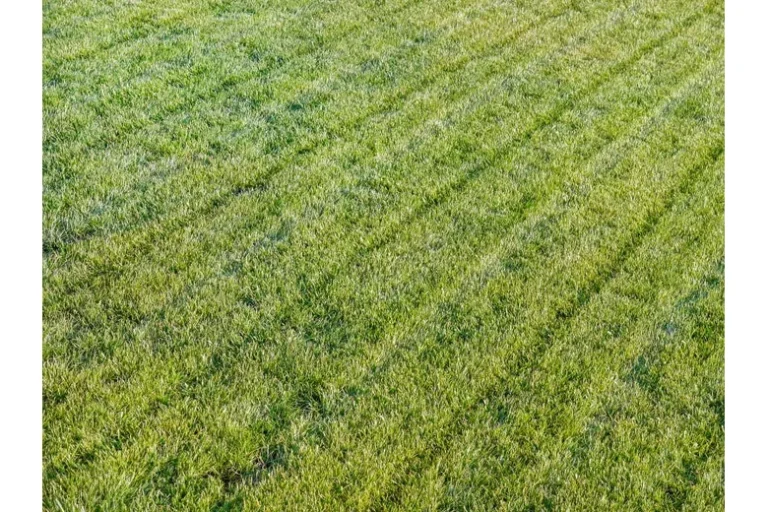
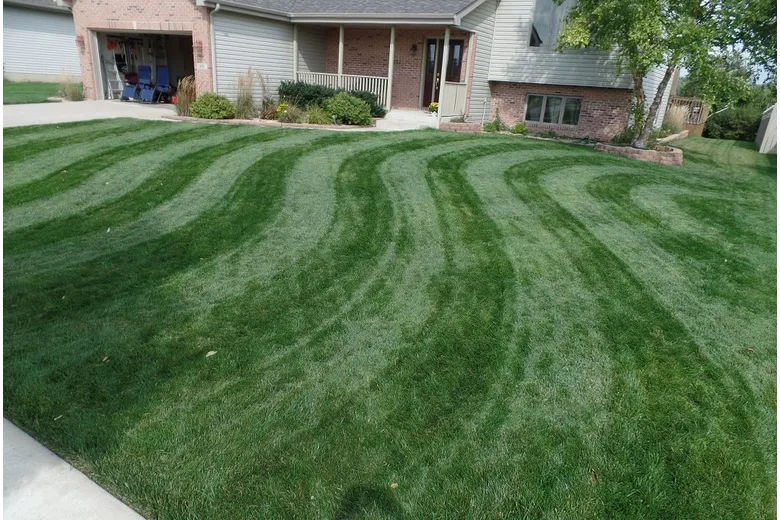
Lawn striping is a technique that bends grass blades in opposite directions. This creates light and dark stripes. It is a hallmark of professional lawns. You can achieve it with any mower. You just need a roller or a mower with a striping kit. The key is to mow in straight lines and make clean turns.
To stripe your lawn, start by mowing the perimeter. Then choose a direction. Mow straight lines from one end to the other. At the end of each pass, lift the mower deck or turn on a dime. This prevents scalping. The stripes appear because grass leans away from the mower. The light reflects differently. For best results, mow when grass is dry. Also, use a sharp blade. Dull blades tear grass, ruining the effect.
Lawn striping works best on cool-season grasses like fescue and ryegrass. Warm-season grasses can stripe too but less dramatically. You can create simple stripes or complex patterns like diamonds or scallops. Practice makes perfect. Soon, your neighbors will wonder if you hired a pro.
⚠️ Important Note
Never cut more than one-third of the grass blade length at a time. Cutting too short can scalp the lawn, weaken roots, and invite weeds.
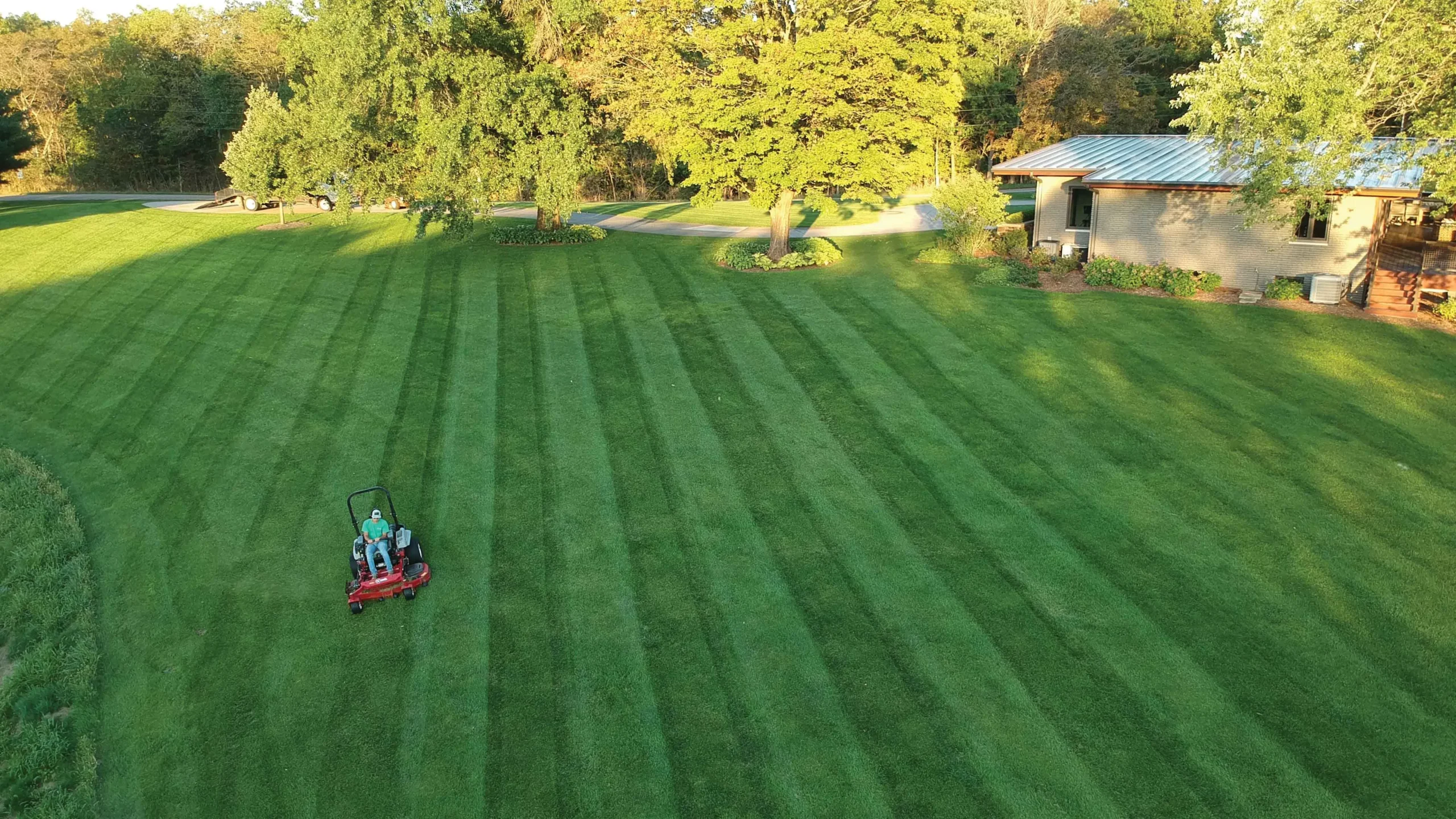
Image source: Backyard
Maintain Your Mower Blade
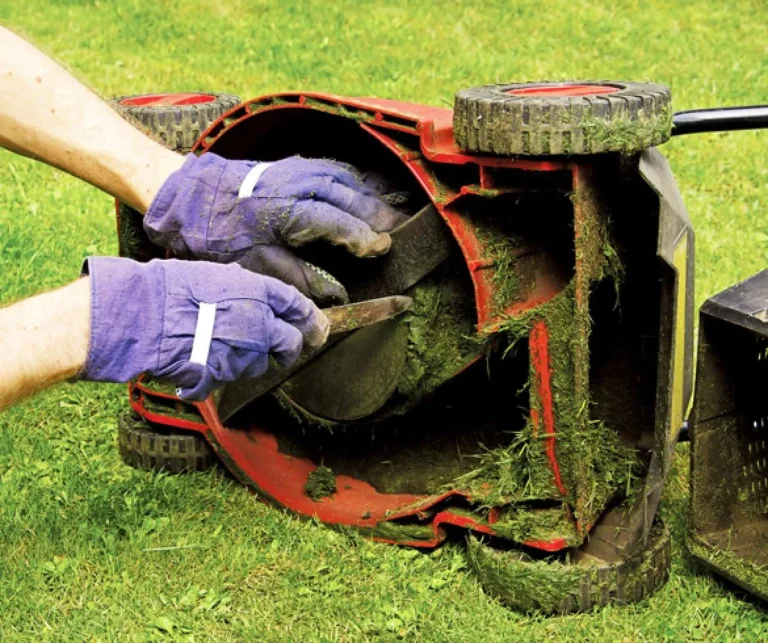
Mower blade maintenance is critical for a clean cut. Dull blades tear grass, causing brown tips and disease. Professionals sharpen their blades every 25 hours of use. You should check your blade at least once a month. A sharp blade cuts like a razor. It leaves a clean edge that heals quickly. This reduces water loss and keeps your lawn green.
To maintain your blade, remove it from the mower. Use a file or grinder to sharpen the edge. Balance the blade after sharpening. An unbalanced blade vibrates and damages the mower. You can also replace the blade if it is worn. For a step-by-step guide, check out how to mow your lawn for better results. Also, clean the underside of the mower deck. Grass buildup reduces airflow and cutting efficiency.
Here are key mower blade maintenance tips:
- Inspect the blade for nicks and dull spots.
- Sharpen at a 30-degree angle.
- Balance the blade on a screwdriver.
- Replace if bent or too thin.
Sharp blades also help with lawn striping. A clean cut allows grass to bend evenly. This makes stripes more defined. Never ignore blade care. It is one of the easiest ways to improve your mowing.
Follow Proper Mowing Frequency
Mowing too often or not enough can harm your lawn. Professionals mow based on growth, not a set schedule. In spring, grass grows fast. You may need to mow every 3-4 days. In summer, growth slows. Mow every 7-10 days. The key is to never remove more than one-third of the blade. If grass gets too tall, raise the height and mow more often.
Seasonal changes affect frequency. In fall, grass grows again. Keep mowing until frost. In winter, most grasses go dormant. You may not need to mow at all. Always adjust based on weather. After rain, grass grows quickly. Wait until it is dry to avoid clumping. For more details on timing, see our article on how to mow your lawn for better results. Consistency is key. A regular schedule trains your lawn to thrive.
Using proper lawn mowing techniques includes knowing when to stop. Do not mow during extreme heat or drought. Stressed grass needs time to recover. If your lawn looks brown or wilted, skip a mow. Let it bounce back. This is what professionals do.
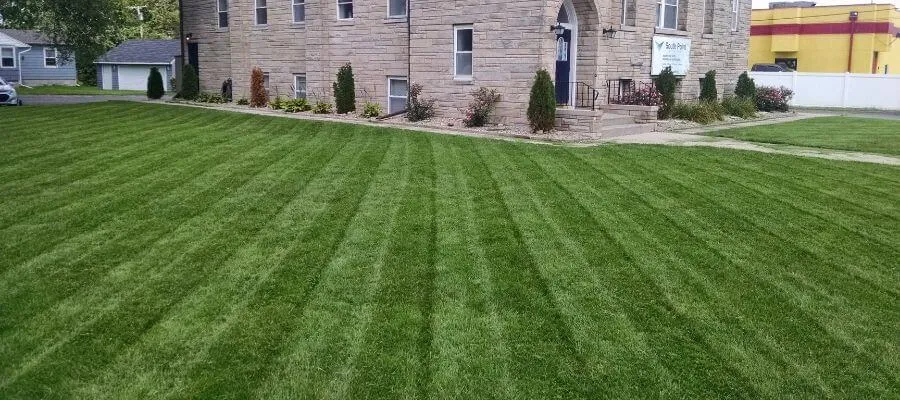
Image source: Milorganite
Frequently Asked Questions
How often should I mow my lawn?
It depends on growth rate. During peak seasons, aim for every 3-5 days. In slower seasons, every 7-10 days. Always follow the one-third rule. Never cut too much at once.
What is the best time of day to mow?
Morning is best, after dew dries. Grass is upright and less stressed. Avoid midday heat. Late afternoon works too, but allow time for grass to heal before night.
Should I leave grass clippings on the lawn?
Yes, unless they are clumpy. Clippings return nutrients to the soil. This is called grasscycling. Use a mulching mower for best results. If clippings are long, bag them.
How do I fix scalped grass?
Water and fertilize lightly. Do not mow until grass recovers. Raise your mowing height next time. Prevent scalping by avoiding low cuts on uneven ground.
Conclusion
Now you know how to mow grass like a professional. It is not about expensive equipment. It is about using the right lawn mowing techniques. Focus on grass cutting height. Change your mowing patterns. Try lawn striping for a beautiful look. Keep up with mower blade maintenance. And mow at the right frequency.
These steps will transform your lawn. You will save time and money. Your grass will be healthier and greener. Start applying these tips today. Your yard will soon be the envy of the neighborhood. Happy mowing!