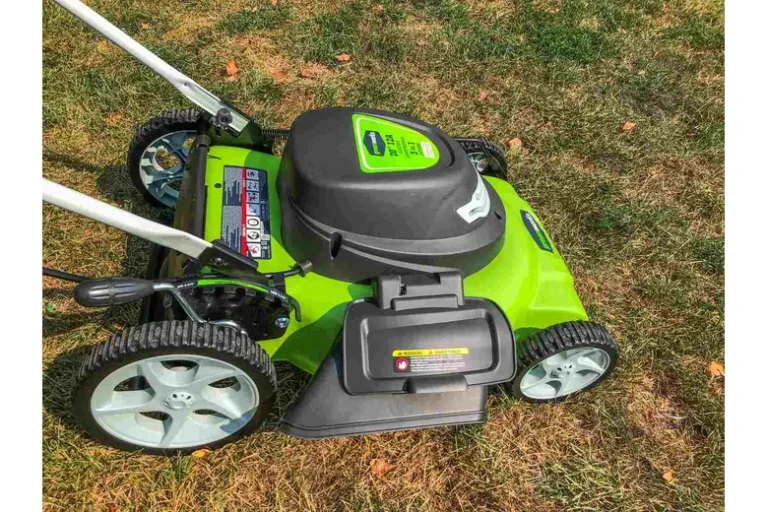
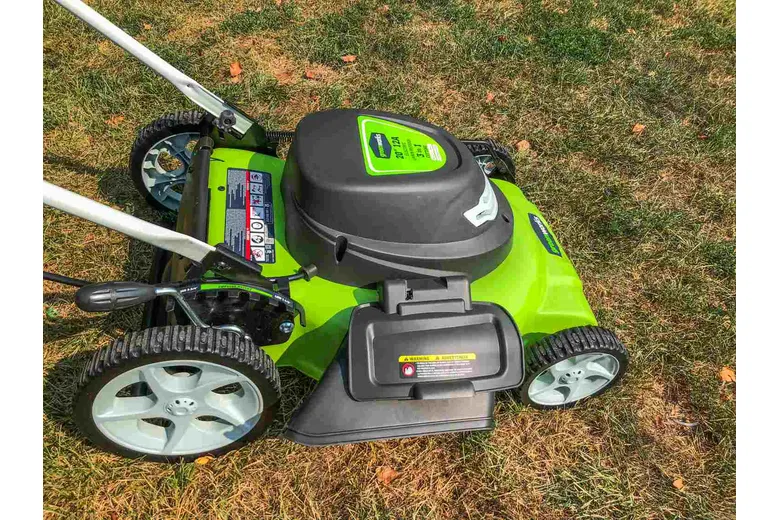
What to Know Before Buying a Lawn Mower
What to know before buying a lawn mower is essential for making a smart purchase. This guide covers all key factors to help you choose the right mower for your lawn. A good lawn mower keeps your yard looking neat and healthy. The wrong one can waste your time and money. That is why you need a lawn mower buying guide. It helps you compare options and pick the best match. Your yard size, terrain, and budget all matter. This article explains everything simply. You will learn about types of lawn mowers, gas vs electric lawn mower trade-offs, and key lawn mower features to consider. By the end, you will know how to choose a lawn mower that fits your needs perfectly.
Buying a lawn mower can feel overwhelming. There are many brands and models. Prices range from a few hundred to thousands of dollars. But you do not need to be an expert. Focus on your lawn’s size and shape. A small flat yard works well with a push reel mower. A large hilly yard needs a self-propelled or riding mower. Also consider your time and effort. Do you enjoy mowing as a workout? Or do you want it done fast? These questions guide your choice. This lawn mower buying guide breaks down each factor. You will find practical advice and honest insights. The goal is to help you buy with confidence.
Another important factor is maintenance. Some mowers need more care than others. Gas mowers require oil changes and spark plug checks. Electric mowers need battery charging and blade sharpening. Think about your willingness to perform regular upkeep. Also weigh the cost of fuel or electricity over time. This guide includes tips on long-term ownership. Understanding these points before you buy saves you headaches later. Let us dive into the key details now.
Key Takeaways
- Main Point: Choosing the right lawn mower depends on your yard size, terrain, and personal preference. Gas mowers offer power, electric mowers are quieter and eco-friendly.
- Actionable Advice: Measure your lawn’s square footage and identify slopes or obstacles. This helps you decide between push, self-propelled, or riding models.
- Best Choice/Practice: For small lawns under 1,000 sq ft, a reel or electric push mower works best. For medium lawns, a self-propelled gas mower is ideal. Large lawns over 1/2 acre benefit from a riding mower.
- Expert Insight: Always test handle comfort and adjustability. A poorly fitting mower can cause fatigue and poor cutting results.
- Summary: Match mower type to your lawn’s conditions. Compare gas, electric, and manual options. Look for features like cutting width, height adjustment, and mulching capability.
Types of Lawn Mowers
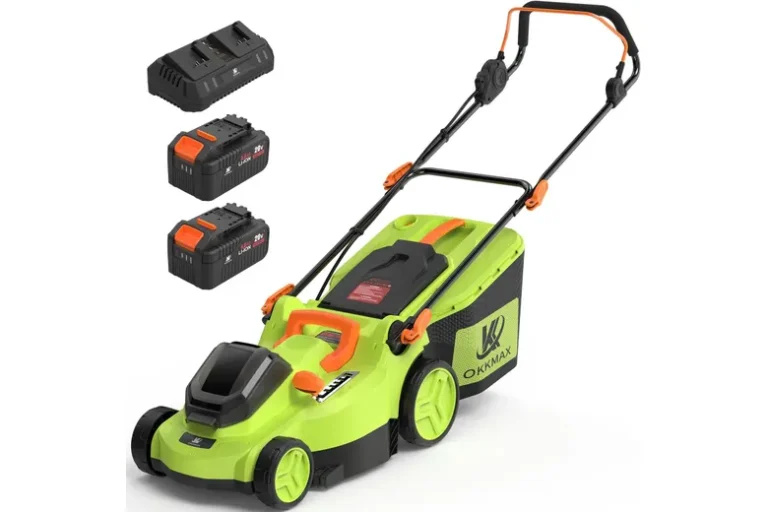
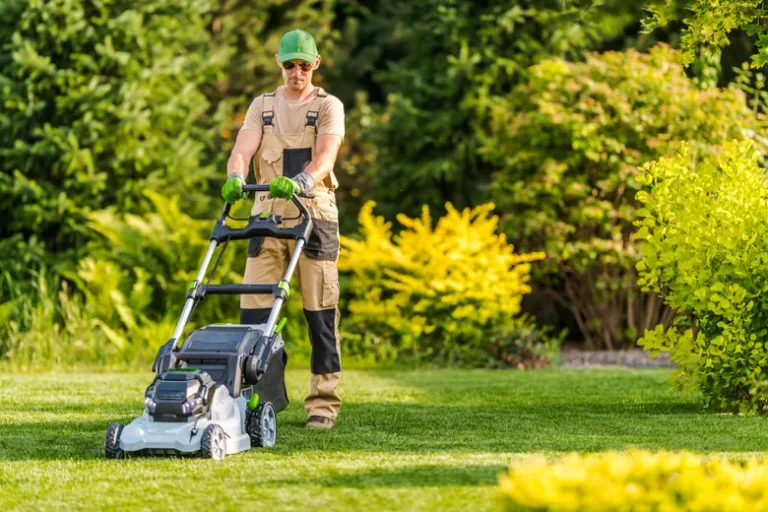
Understanding types of lawn mowers is the first step. Each type suits different yard conditions. The most common types are reel mowers, electric push mowers, self-propelled gas mowers, and riding mowers. Reel mowers are manual and require no fuel or electricity. They are best for small, flat lawns. They give a clean, scissor-like cut. However, they struggle with tall grass and weeds. Electric mowers come in corded and cordless versions. Corded models have unlimited run time but limited range. Cordless models use batteries and are quieter than gas. They need charging and may not last for large yards. Gas mowers offer more power and longer run time. They are heavier and noisier. Self-propelled models move on their own, reducing effort on slopes. Riding mowers are for large properties. They are expensive but save time. Zero-turn mowers offer great maneuverability. Choosing the right type saves effort and money.
Push Mowers
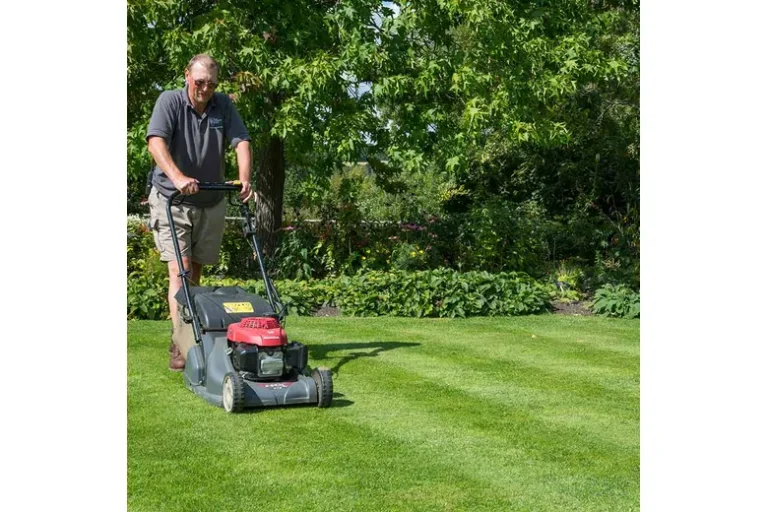
Push mowers are the simplest and cheapest. You push them forward. They are good for small, flat lawns. Reel push mowers are quiet and eco-friendly. They do not need gas or electricity. But they can not handle tall or wet grass well. Gas push mowers are more powerful but require muscle to push. They are best for yards up to 1/4 acre. If your lawn is larger, you may get tired quickly. Consider a self-propelled model instead.
Self-Propelled Mowers
Self-propelled mowers drive themselves forward. You just walk behind and steer. They are great for medium to large lawns and slopes. Most have adjustable speed controls. Gas self-propelled mowers are common, but electric versions are also available. They reduce fatigue and mow faster. Look for a model with variable speed and front-wheel or rear-wheel drive. Rear-wheel drive offers better traction on hills. This is a popular choice for many homeowners. It balances power and ease of use.
Gas vs Electric Lawn Mowers
The debate between gas vs electric lawn mower is ongoing. Both have pros and cons. Gas mowers are powerful and durable. They can handle thick grass and large yards. Fuel is widely available. But they are loud, emit fumes, and need regular maintenance. Electric mowers are quieter and cleaner. Cordless models offer freedom without a cord. However, battery life limits runtime. Charging takes time. Corded electric mowers have unlimited power but need an outlet nearby. They are lighter and easier to start. For small to medium lawns, electric is often better. For large or rough terrain, gas may be necessary. Consider your priorities: noise, emissions, power, and convenience. Many new buyers choose electric for eco-friendliness. But gas still dominates for heavy-duty use.
Power and Performance
Gas mowers typically have more torque. They cut through tall, wet grass easily. Electric mowers are improving but may stall in tough conditions. For a pristine lawn, gas offers consistent power. Yet electric models with brushless motors perform well. They are also lighter, making them easier to maneuver. Choose based on your grass type and yard condition.
Maintenance and Longevity
Gas mowers need oil changes, air filter cleaning, and spark plug replacements. They also require fuel stabilizer. Electric mowers need battery care and occasional blade sharpening. Batteries degrade over time. Replacement batteries can be expensive. Gas engines can last decades if maintained. Electric motors are simpler but batteries limit lifespan. Consider how much maintenance you want to do.
💡 Pro Tip
Always test the handle height and grip before buying. Adjustable handles reduce fatigue and improve control. If possible, try mowing a small patch at the store to feel the weight and maneuverability.

Key Lawn Mower Features to Consider
When evaluating lawn mower features to consider, focus on cut quality, convenience, and durability. Cutting width affects mowing speed. A wider deck cuts more grass per pass. But it may be harder to maneuver around obstacles. Height adjustment is crucial for different grass types and seasons. Look for easy, tool-free adjustments. Mulching capability recycles clippings into fertilizer. Bagging collects clippings for disposal. Side discharge is for tall grass. A good mower offers multiple options. Wheels and handle comfort matter too. Larger wheels roll better over bumps. Ergonomic handles reduce strain. Engine power or motor voltage determines cutting ability. For gas, engine displacement in cubic centimeters (cc) indicates power. For electric, voltage (e.g., 40V, 60V) affects torque and runtime. Also check the deck material. Steel decks are durable but heavy. Aluminum decks are lighter and rust-resistant. Plastic decks are cheap but less durable. Choose features that match your lawn’s needs.
Cutting Deck Materials
The deck is the main component. Steel decks are strong and long-lasting. They can rust if not cared for. Aluminum decks are lightweight and rust-proof. They cost more. Plastic decks are lightweight and cheap, but may crack. For most homeowners, steel is a good balance. Consider your climate and storage conditions.
Grass Handling Options
Most mowers offer mulching, bagging, or side discharge. Mulching blades chop clippings finely and return nutrients to the soil. This is eco-friendly and saves effort. Bagging keeps the lawn clean but requires frequent emptying. Side discharge is fast for tall grass. Some mowers have a single lever to switch modes. Look for versatility to adapt to seasonal needs.
⚠️ Important Note
Check your local regulations: some areas restrict gas mower use due to emissions. Also, if buying a cordless electric mower, consider the availability of replacement batteries and charging infrastructure.
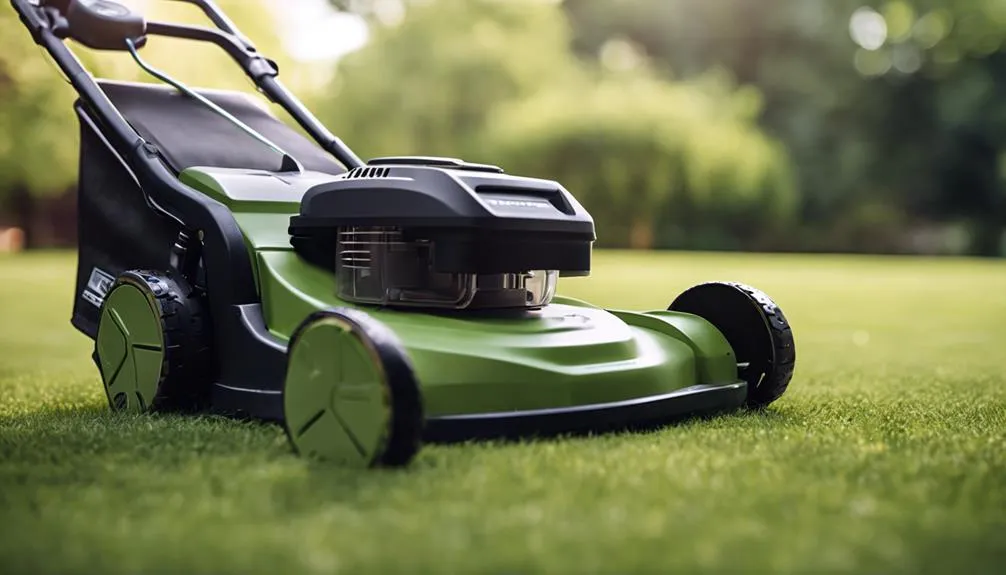
Image source: Soul Sanctuaries
How to Choose a Lawn Mower for Your Yard
Learning how to choose a lawn mower involves matching features to your yard. Start by measuring your lawn area. Use a tape measure or online tools. For small lawns (under 2,000 sq ft), a reel or electric push mower works. For medium lawns (2,000-5,000 sq ft), a self-propelled gas or electric mower is ideal. For large lawns (over 5,000 sq ft), consider a riding mower. Next, evaluate your terrain. Flat lawns are easy. Slopes need a self-propelled or riding mower with good traction. Obstacles like trees and flower beds require good maneuverability. Zero-turn mowers excel here. Also think about storage space. Riding mowers need a garage or shed. Push mowers fit in small spaces. Then consider your physical ability. If you have back problems, a self-propelled model is better. Finally, set a budget. Prices vary widely. Decide on must-have features versus nice-to-haves. This approach helps you narrow down choices.
Yard Size Guide
- Under 1,000 sq ft: Reel mower or corded electric push mower.
- 1,000-3,000 sq ft: Cordless electric push mower or small gas push mower.
- 3,000-6,000 sq ft: Self-propelled gas or electric mower.
- 6,000-15,000 sq ft: Riding mower (lawn tractor).
- Over 15,000 sq ft: Zero-turn mower or large riding mower.
Terrain Considerations
Hilly yards need a mower with good traction. Self-propelled rear-wheel drive is best for slopes. Riding mowers with differential locks also help. For uneven ground, look for larger wheels and a floating deck. Avoid reel mowers on slopes. They can be hard to push. Always test on your own terrain if possible. Visit a local dealer to try models. This gives you a feel for handling.
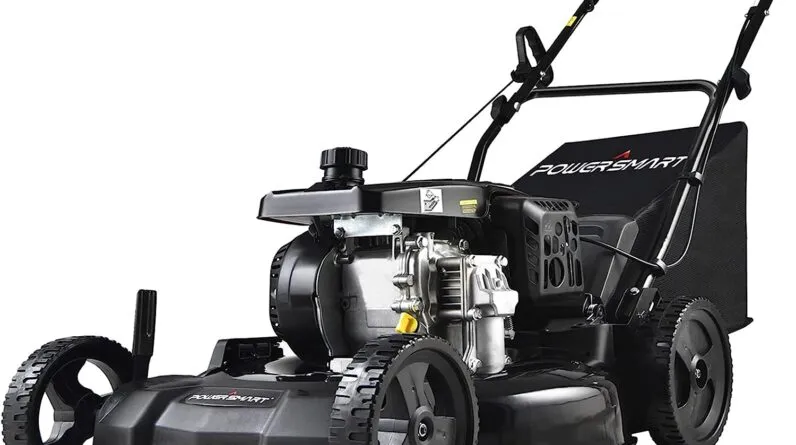
Image source: Mowrs
Lawn Mower Maintenance Tips
Proper maintenance extends mower life. For gas mowers, change oil every 50 hours or yearly. Clean or replace air filters. Sharpen blades at least once per season. Use fresh fuel and add stabilizer. Store in a dry place. For electric mowers, keep batteries charged and store in a cool place. Clean the deck after each use to prevent grass buildup. Check blade balance regularly. Tighten loose bolts. Follow the owner’s manual. Simple care prevents costly repairs. If you are unsure, consult a professional. For more detailed advice, read our guide on how to buy a lawn mower for home. It covers everything from research to purchase.
Blade Care
Sharp blades cut cleanly. Dull blades tear grass, causing brown tips. Sharpen blades every 25 hours of use. Use a file or grinder. Check balance after sharpening. Replace blades if damaged. Always disconnect the spark plug (gas) or remove the battery (electric) before working on blades.
Seasonal Storage
At the end of the season, drain fuel from gas mowers or run them dry. Clean the deck thoroughly. Oil cables and pivot points. Store in a dry, covered area. For electric mowers, fully charge batteries and store in a cool place. Avoid freezing temperatures for batteries. Proper storage ensures your mower starts next spring.
Frequently Asked Questions
What size lawn mower do I need?
Choose based on lawn area. Under 2,000 sq ft: push mower. 2,000-5,000 sq ft: self-propelled. Over 5,000 sq ft: riding mower. For precise advice, see our how to choose a right lawn mower for you article.
Are electric lawn mowers good?
Yes, for small to medium lawns. They are quiet, easy to start, and eco-friendly. Battery life is improving. For large or tough lawns, gas may still be better.
How much should I spend on a lawn mower?
Prices range from $100 for a reel mower to $3,000+ for a riding mower. Set a budget based on features you need. Good self-propelled mowers cost $300-$600. Riding mowers start around $1,500.
Should I buy a used lawn mower?
Used mowers can save money. But inspect for damage and maintenance history. Check blades, engine, and wheels. Test start it. A well-maintained used mower is fine. But new mowers come with warranties and latest features.
Conclusion
Choosing the right lawn mower does not have to be hard. This lawn mower buying guide covered the main factors. You learned about types of lawn mowers, the gas vs electric lawn mower debate, and key lawn mower features to consider. You also got tips on how to choose a lawn mower for your yard. Now you can make an informed decision. Think about your lawn size, terrain, and personal preference. Consider power source and maintenance. Test models if possible. Remember that a good mower pays for itself over time. It keeps your lawn healthy and saves you effort. Take your time and pick the one that fits best. Happy mowing!