
What Helps Create a Healthy Green Lawn
What helps create a healthy green lawn is a combination of proper care, the right soil conditions, and consistent maintenance. Many homeowners dream of a lush, vibrant lawn but struggle with patchy grass, weeds, or discoloration. The secret lies in understanding the key factors that promote strong root growth and dense turf. By following proven strategies, you can transform your yard into a beautiful green space.
This guide covers the most effective methods for achieving a healthy lawn. You will learn about soil preparation, watering techniques, mowing practices, and seasonal care. Each factor plays a crucial role in sustaining grass health. With a little effort, you can enjoy a lawn that stays green all season long.
Remember, a healthy lawn is not just about looks. It also helps prevent erosion, cools the air, and provides a safe area for outdoor activities. Start applying these tips today and see the difference.
Key Takeaways
- Main Point: A healthy green lawn depends on balanced soil, proper watering, and correct mowing.
- Actionable Advice: Test your soil pH and adjust it to the ideal range for your grass type.
- Best Practice: Water deeply but infrequently to encourage deep root growth.
- Expert Insight: Lawn aeration benefits include improved water infiltration and nutrient uptake.
- Summary: Consistent care with these techniques will yield a thick, green lawn.
Understanding the Basics of Lawn Health
To create a healthy green lawn, you must start with the fundamentals. Grass needs sunlight, water, nutrients, and good soil. Each element must be in balance. If one factor is off, the lawn suffers. For example, too much shade can thin grass, while poor drainage leads to disease. Focus on creating the best environment for your specific grass type.
Another critical aspect is choosing the right grass seed for your region. Cool-season grasses like Kentucky bluegrass thrive in northern areas. Warm-season grasses like Bermuda grass do well in the south. Matching grass to climate reduces stress and maintenance. You can also consider a blend for resilience. Learn how to choose the right lawn mower for your grass type to avoid damage.
The Role of Soil Quality and pH
Soil pH testing is one of the most important steps for lawn health. Most grasses grow best in a pH range of 6.0 to 7.0. If the soil is too acidic or too alkaline, nutrients become unavailable. You can test your soil with a simple kit from a garden center. Once you know the pH, you can add lime to raise it or sulfur to lower it. This adjustment makes a big difference in grass color and density.
Beyond pH, good soil structure matters. Compacted soil prevents roots from spreading. That is why lawn aeration benefits include relieving compaction and allowing air, water, and nutrients to reach the roots. Aerate in the fall or spring for best results. Additionally, add organic matter like compost to improve soil texture and fertility. Lawn fertilization tips often recommend a balanced slow-release fertilizer applied in early spring and late fall. This feeds the grass gradually without burning it.

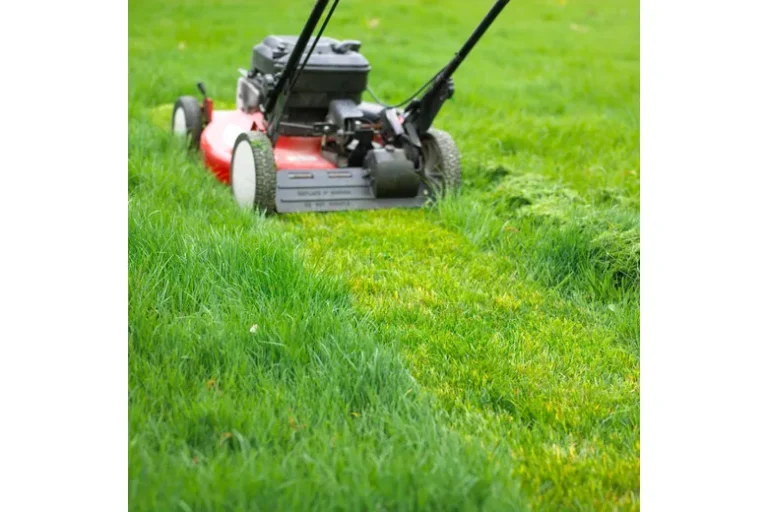
Image source: Thespruce
💡 Pro Tip
For the greenest lawn, mow in the morning when grass is dry and set your mower to the highest recommended height for your grass type. This reduces stress and promotes deeper roots.
Watering Wisely for Deep Roots
A deep watering schedule is key to a healthy green lawn. Instead of watering lightly every day, give the lawn a good soak once or twice a week. Aim for about one inch of water per week, including rain. This encourages roots to grow deep into the soil, making the grass more drought-tolerant. Water early in the morning to reduce evaporation and prevent disease.
How do you know if you are watering enough? Place a small container like a tuna can in the yard. When it fills with an inch of water, you are done. Adjust based on soil type: clay soil holds water longer, while sandy soil drains quickly. Avoid overwatering, which can lead to fungus and shallow roots. Deep watering schedule combined with proper timing is a simple but effective practice.
⚠️ Important Note
Never overwater or cut grass too short. Both lead to shallow roots and disease. Always test soil pH before adding amendments to avoid wasting time and money.
Mowing Techniques for a Thicker Lawn
Proper mowing height is essential for grass health. Cutting too short stresses the grass and allows weeds to invade. For most lawns, set your mower to the highest setting that still looks neat. Typically, cool-season grasses should be 2.5 to 4 inches tall, while warm-season grasses are 1 to 2 inches. Never remove more than one-third of the leaf blade at a time. This rule prevents shock and promotes dense growth.
Keep mower blades sharp. Dull blades tear the grass, leaving ragged edges that turn brown. Sharpen blades at least once a season. Also, vary your mowing pattern each time to prevent soil compaction and ruts. Leave grass clippings on the lawn as natural fertilizer. Clippings decompose quickly and return nitrogen to the soil. Find more tips on keeping your lawn green after mowing.
Seasonal Lawn Care Practices
Each season brings different tasks. In spring, focus on cleaning up debris, aerating if needed, and applying a pre-emergent weed control. Summer requires careful deep watering schedule and mowing at the higher end of the height range. Fall is the best time for lawn aeration benefits and overseeding. Apply a winterizer fertilizer to strengthen roots before dormancy. Winter is a rest period; avoid walking on frozen grass to prevent damage.
Lawn fertilization tips vary by season. Use a nitrogen-rich formula in spring and a potassium-rich one in fall. Always follow package instructions. Another crucial factor is soil pH testing annually. Adjustments take time, so plan ahead. Following a seasonal schedule ensures your lawn gets exactly what it needs when it needs it.

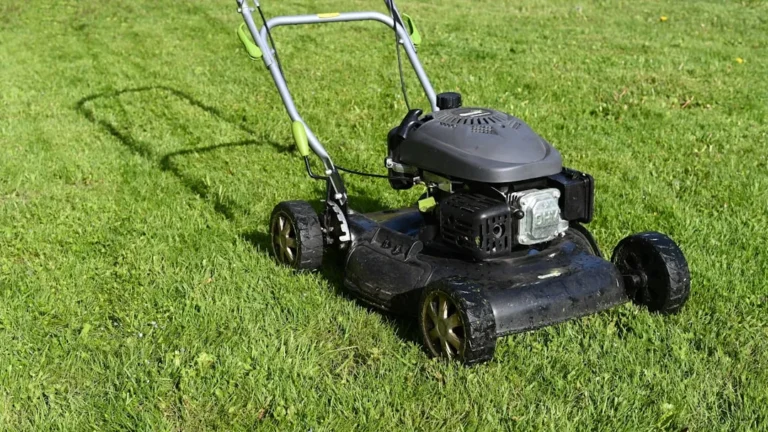
Image source: Backyardbossimages
Weed and Pest Control
Weeds compete with grass for water, light, and nutrients. A healthy lawn is the best defense. Thick grass crowds out weeds naturally. Use pre-emergent herbicides in early spring to stop crabgrass. Spot-treat persistent weeds with post-emergent products. Always read labels to avoid harming the lawn. Proper mowing height also helps, as taller grass shades weed seeds.
Pests like grubs can damage roots. Look for signs like brown patches that peel back easily. Apply grub control in late summer if needed. Encourage beneficial insects and birds to keep pest numbers down. Avoid over-fertilizing, which attracts some pests. By maintaining overall lawn health, you reduce the need for chemicals.
Frequently Asked Questions
How often should I water my lawn?
Water deeply once or twice a week, providing about one inch of water total. Adjust based on rainfall and soil type. Morning watering is best.
What is the best height to mow grass?
For cool-season grasses, keep it at 2.5–4 inches. For warm-season, 1–2 inches. Never cut more than one-third of the blade height.
When should I aerate my lawn?
Late summer or early fall for cool-season grass, late spring for warm-season grass. Aeration relieves compaction and improves nutrient uptake.
How do I know if my soil pH is correct?
Use a home test kit or send a sample to a lab. Ideal pH for most lawns is 6.0–7.0. Add lime to raise pH, sulfur to lower it.

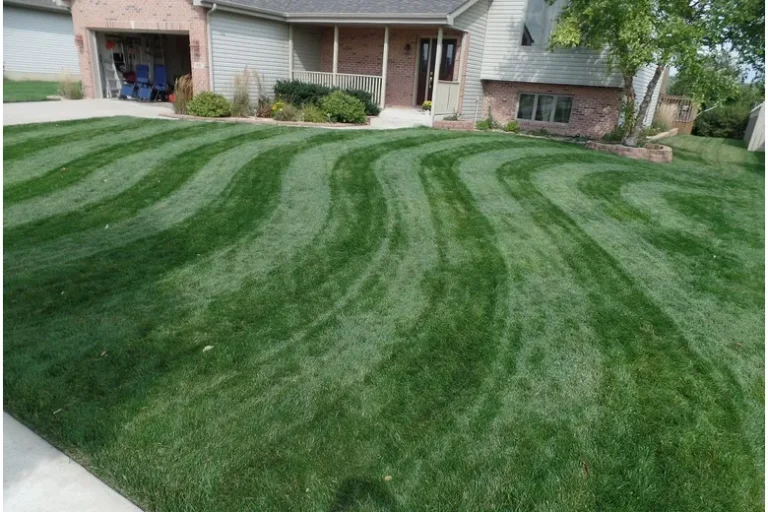
Image source: Le Cdn
Conclusion
What helps create a healthy green lawn is a combination of smart practices. Start with soil pH testing to ensure proper nutrient availability. Follow a deep watering schedule to encourage strong roots. Maintain proper mowing height and invest in lawn aeration benefits to reduce compaction. Apply lawn fertilization tips seasonally for balanced growth. By taking these steps consistently, you can enjoy a thick, vibrant lawn that enhances your home’s curb appeal.
Remember, every lawn is different. Observe how your grass responds and adjust accordingly. With patience and care, a beautiful green lawn is achievable. Start implementing these strategies today and watch your yard transform.