
Lawn Care for St Augustine Grass
When it comes to lawn care for st augustine grass, you need a specific approach. This warm-season turf thrives in sunny, humid climates. It requires careful watering, mowing, and feeding. Without proper care, it can suffer from pests and diseases. This guide will help you master every step.
St. Augustine grass is popular for its thick, lush green blades. It grows well in coastal regions and southern states. However, it has unique needs. You must adjust your routine for its growth habits. Follow these tips for a healthy, vibrant lawn.
Key Takeaways
- Main Point: Lawn care for st augustine grass requires consistent watering and proper mowing to prevent stress.
- Actionable Advice: Set your mower height to 2.5–4 inches and never cut more than one-third of the blade.
- Best Choice/Practice: Use a slow-release nitrogen fertilizer during the growing season for steady growth.
- Expert Insight: Water deeply and infrequently to encourage deep roots and avoid fungal diseases.
- Summary: Follow a tailored schedule for mowing, watering, fertilizing, and pest control to keep your St. Augustine lawn healthy.
Mowing and Watering Essentials
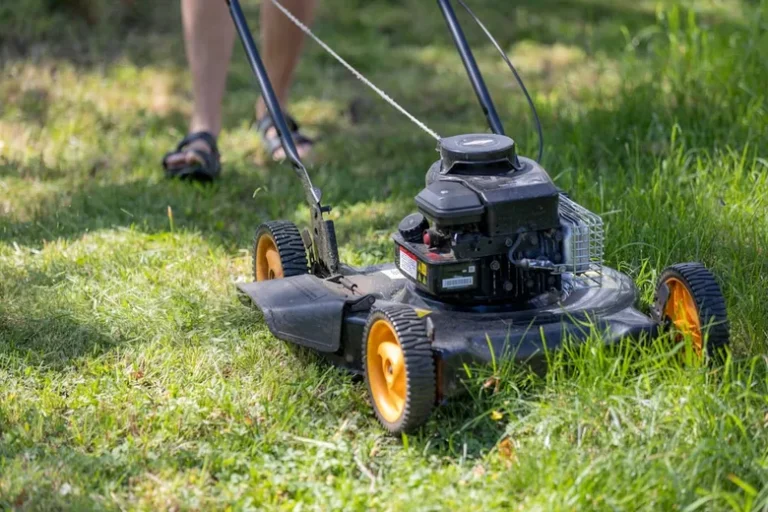
Proper mowing and watering form the foundation of lawn care for st augustine grass. This grass has a coarse texture. It needs a higher St. Augustine mowing height than other types. Keep your mower blades sharp. Dull blades tear the grass, causing brown tips.
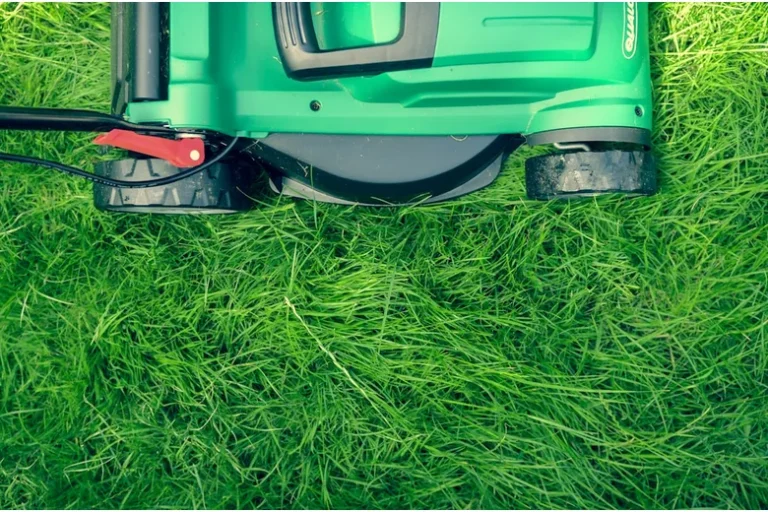
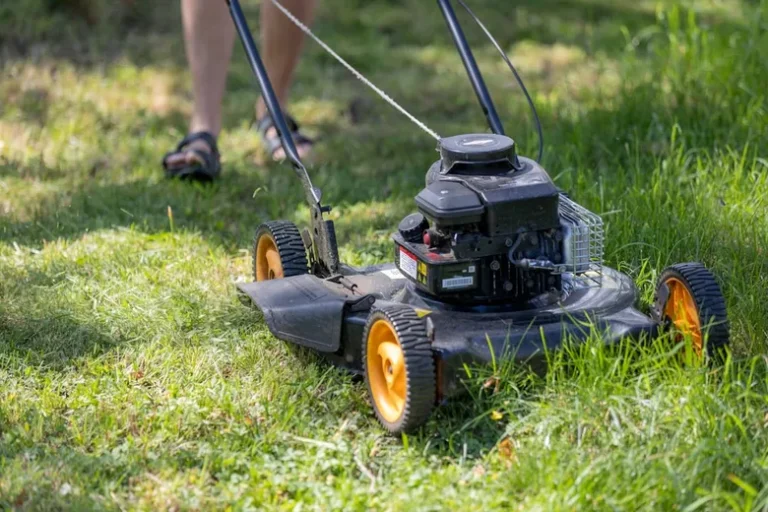
Set your mower height between 2.5 and 4 inches. In hot weather, raise it to the higher end. Taller grass shades the soil, reducing water loss. Never cut more than one-third of the leaf blade at once. Scalping weakens the turf and invites weeds.
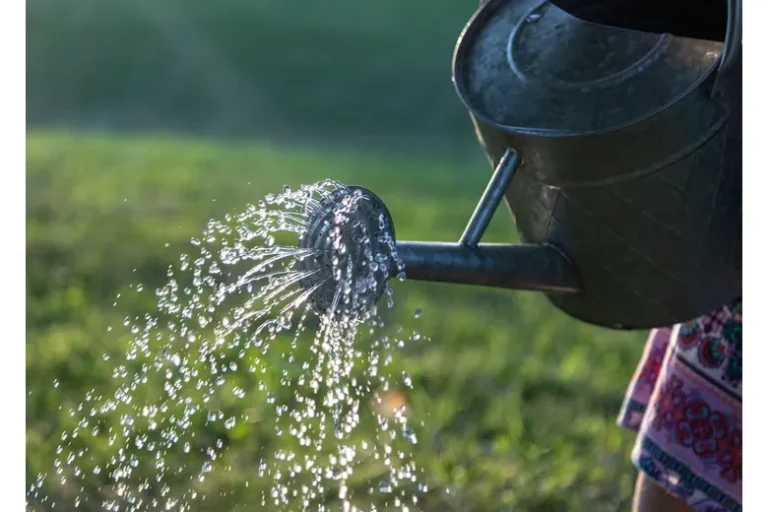
Water deeply once or twice a week. The goal is to wet the soil 4–6 inches deep. A St. Augustine watering schedule depends on rainfall and temperature. Water early in the morning to reduce evaporation and disease risk. Avoid frequent, shallow watering. That promotes shallow roots and fungus.
Fertilization and Weed Control
Proper feeding keeps your grass dense and green. Use a fertilizer with a 3-1-2 ratio of nitrogen, phosphorus, and potassium. Apply in late spring and summer. Avoid heavy nitrogen in fall. That can cause disease. St. Augustine grass fertilization should use slow-release products.
Weeds are a common problem. St. Augustine weed control requires careful product choice. Most weed killers harm this grass. Use pre-emergent herbicides in early spring. For existing weeds, spot-treat with products labeled safe for St. Augustine. Hand-pulling is also effective.
Always follow label instructions. Apply fertilizer when the grass is dry. Water it in to prevent burn. For weed control, avoid herbicides during hot, dry periods. Stress weakens the turf. Consider using a corn gluten meal as a natural pre-emergent.
💡 Pro Tip
Water deeply but infrequently to encourage deep root growth. This makes your St. Augustine grass more drought-tolerant and reduces disease risk.
Disease Prevention and Pest Control
St. Augustine grass disease prevention starts with good cultural practices. Common diseases include large patch, gray leaf spot, and brown patch. These thrive in wet, humid conditions. Improve air circulation by trimming trees and shrubs. Water only when needed.
Pests like chinch bugs and sod webworms attack St. Augustine. Watch for yellowing patches that don’t green up after watering. Use insecticidal soaps or beneficial nematodes for control. Avoid broad-spectrum pesticides that kill beneficial insects.

Follow a preventive fungicide schedule if diseases are common. Use products labeled for St. Augustine. Always water in the morning. That allows the grass to dry during the day. For more details on general lawn health, check our Essential Guide to Lawn Care Success.
⚠️ Important Note
Never use standard weed killers on St. Augustine grass unless they are specifically labeled as safe. Many herbicides will damage or kill this sensitive turf.
Seasonal Maintenance Tips
Each season brings different needs. In spring, prepare your lawn by raking and removing debris. Apply a balanced fertilizer after the last frost. Start mowing at the recommended height. Summer is the peak growing season. Water deeply and mow regularly. Watch for pests and diseases.
In fall, reduce watering as temperatures cool. Apply a potassium-rich fertilizer to strengthen roots. Continue mowing until growth stops. Winter is dormant. Avoid heavy traffic on frozen grass. Remove leaves to prevent smothering. Adjust your St. Augustine watering schedule to only when soil is dry.
Lawn Renovation and Repair
If your lawn has thin spots, consider sodding or plugging. St. Augustine spreads by stolons. Plant plugs 12–18 inches apart. Keep the soil moist until established. For large dead areas, install new sod. Prepare the soil by tilling and leveling. Lay sod in a staggered pattern.
Aeration is not always needed for St. Augustine. It has a deep root system. Only aerate if the soil is compacted. Use core aerators. Avoid spike aerators. After aeration, top-dress with compost. That adds organic matter. For buying a mower suitable for this grass, read our How to Buy a Lawn Mower for Home – Buying Guide.
Frequently Asked Questions
How often should I water St. Augustine grass?
Water once or twice a week, applying 0.5–1 inch each time. Adjust based on rainfall. Water early in the morning.
What is the best fertilizer for St. Augustine grass?
Use a slow-release fertilizer with a 3-1-2 ratio. Apply in late spring and summer. Avoid high-nitrogen products in fall.
How do I control weeds without harming St. Augustine?
Use pre-emergents in spring. For existing weeds, spot-treat with herbicides labeled for St. Augustine. Hand-pull when possible.
What are common diseases and how do I prevent them?
Large patch, gray leaf spot, and brown patch are common. Prevent by watering deeply, mowing high, and improving air flow. Apply fungicides if needed.
Conclusion
Mastering lawn care for st augustine grass takes time and attention. Focus on proper mowing height, deep watering, and balanced fertilization. Control weeds and pests early. Prevent diseases through good practices. With consistency, you can enjoy a thick, green lawn all summer.
Remember to adjust your routine for your climate. Test your soil every few years. Use organic products when possible. A healthy St. Augustine lawn is resilient and beautiful. Start implementing these tips today for long-term success.