What Are Common Lawn Mower Maintenance Tips
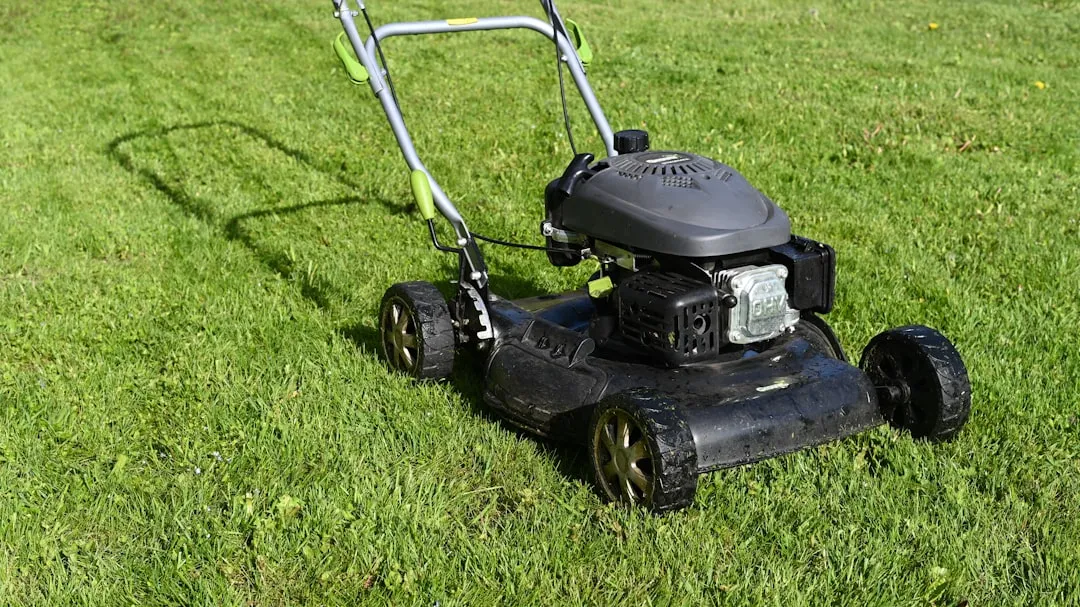
Lawn mower maintenance is key to a beautiful yard. Regular care keeps your machine reliable. It also extends its life. Simple tasks make a big difference. You can do most at home. A well-maintained mower cuts grass evenly. It also saves you money on repairs. Follow these tips to keep your mower in top shape. You will enjoy a lush lawn all season.
Why is maintenance so important? A dirty mower struggles to cut grass. It may also break down often. This can be frustrating. Many homeowners ignore basic care. They end up with costly problems. A few minutes of work each month can prevent this. Your mower will start easily and run smoothly. You will also get a cleaner cut.
This guide covers all common tasks. You will learn about blade sharpening, oil change, and air filter cleaning. We also discuss spark plug replacement and fuel stabilizer use. Each tip is simple to follow. Let’s start with the basics.
Key Takeaways
- Main Point: Regular lawn mower maintenance improves performance and lifespan.
- Actionable Advice: Change oil and sharpen blades at least once per season.
- Best Choice/Practice: Use fresh fuel with a fuel stabilizer to avoid gum buildup.
- Expert Insight: Clean or replace the air filter after every 25 hours of use.
- Summary: Simple tasks like blade sharpening and spark plug replacement keep your mower reliable.
Essential Blade Care for a Clean Cut
Blade sharpening is one of the most important tasks. A dull blade tears grass instead of cutting it. This leads to brown tips and disease. You should sharpen your blade every 20 to 25 hours of use. You can do it with a file or a grinder. Always disconnect the spark plug first. Remove the blade and secure it in a vise. Follow the original angle. After sharpening, balance the blade. An unbalanced blade causes vibration. It can damage the mower. Check the blade for nicks or cracks. Replace it if needed.
For best results, use a professional sharpening service once a year. This ensures a perfect edge. You can also buy a new blade. Many mowers come with reversible blades. Use both sides before replacing. Remember to wear gloves. Metal shavings can be sharp. Clean the blade after each use. Grass clippings can cause rust. A clean blade cuts better and lasts longer.
If you are buying a new mower, consider a model with easy blade access. This makes blade sharpening simpler. For more on choosing the right mower, check out our guide on how to choose a right lawn mower for you.
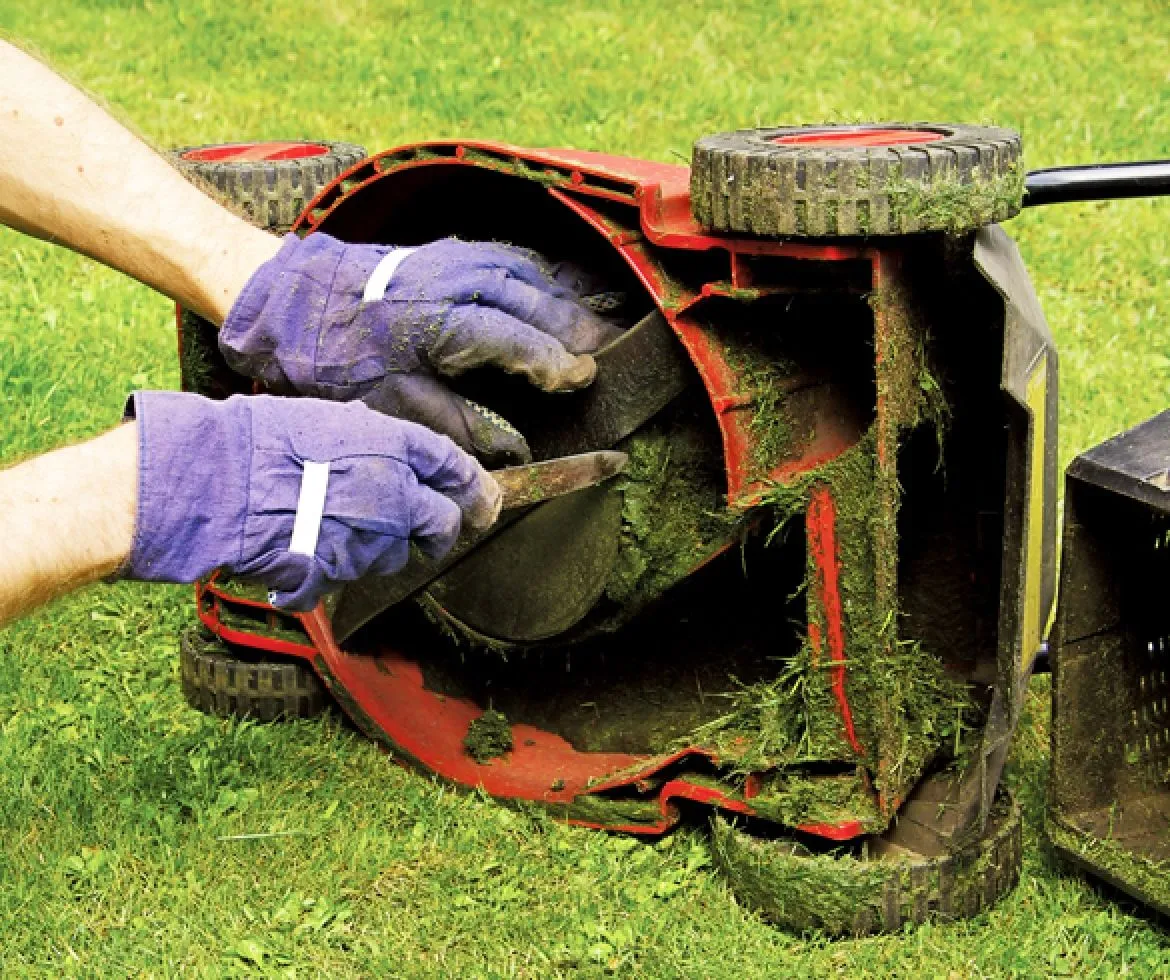
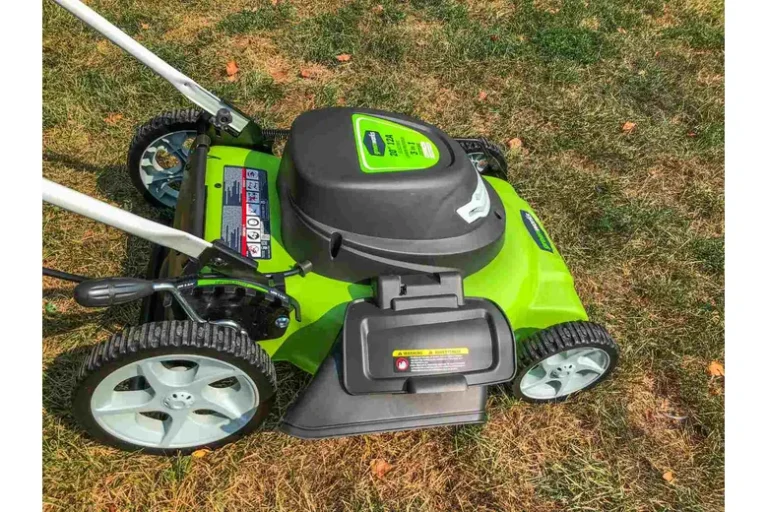
Image source: Pinimg
Oil and Filter Maintenance for Engine Health
An oil change is vital for engine life. Old oil loses its ability to lubricate. This causes wear and overheating. Change the oil after every 50 hours of use or at least once a season. Warm up the engine first. Warm oil drains faster. Then turn it off and remove the dipstick. Drain the oil into a pan. Replace the drain plug. Fill with the recommended oil grade. Check the level with the dipstick. Do not overfill.
Air filter cleaning is another easy task. A dirty filter restricts airflow. This makes the engine run rich and stall. Clean foam filters with soapy water. Squeeze dry and oil lightly. Replace paper filters when dirty. Check the filter every 25 hours. Clean it more often in dusty conditions. A clean filter improves fuel efficiency. It also reduces emissions.
Some mowers have a pre-filter. Clean it as well. Always use the correct filter type. Follow the owner’s manual. These simple steps keep your engine running smoothly. They prevent costly repairs.
💡 Pro Tip
For the sharpest cut, sharpen your blade twice per season and always balance it after sharpening. An unbalanced blade causes vibration and uneven cutting.
Spark Plugs and Fuel System Care
Spark plug replacement ensures easy starting. A worn plug can misfire. Check it every season. Remove the spark plug wire. Use a socket wrench to take it out. Look for wear or carbon buildup. The gap should match the manual spec. If in doubt, replace it. A new plug costs little. It makes a big difference.
Fuel system care is also crucial. Use fuel stabilizer if you store the mower for more than 30 days. It prevents ethanol from separating. It also stops gum and varnish. Add the stabilizer to the gas tank. Run the engine for a few minutes to circulate it. Store with a full tank to avoid condensation. Before next use, drain old fuel. Use fresh gas. This prevents hard starting and damage.
Always use fresh gasoline. Old fuel can clog the carburetor. If you have problems, clean the carburetor. Many issues are fuel-related. A fuel stabilizer is a cheap insurance.
⚠️ Important Note
Never tilt your mower with the air filter side down. This can cause oil to leak into the air filter and damage the engine.
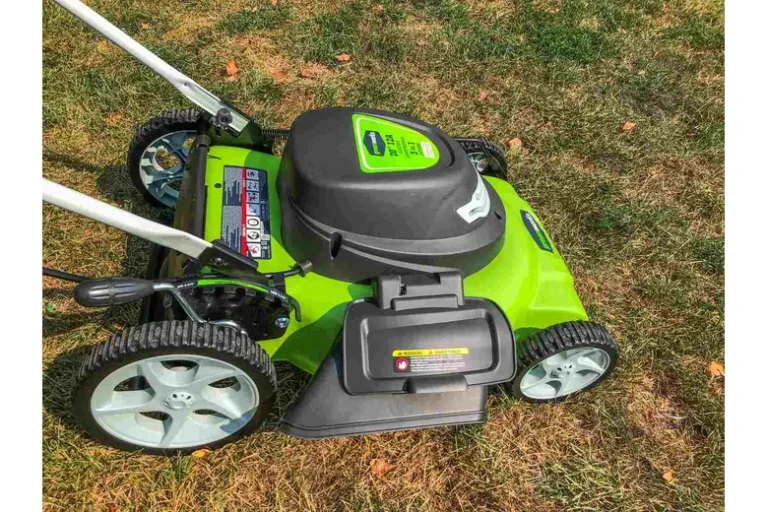
Image source: Lawnmowerguru
Cleaning and Storage Tips
Keep your mower clean. Grass clippings and dirt trap moisture. This causes rust and corrosion. After each use, remove clippings from the deck. Use a hose or scraper. Never tilt the mower with the air filter side down. This can leak oil. Clean the underside of the deck. A putty knife works well. Spray with a protectant to prevent buildup.
Storage is also important. Keep the mower in a dry place. If storing for winter, drain the fuel or use a stabilizer. Remove the battery if applicable. Charge it occasionally. Cover the mower to keep dust off. Check the tire pressure. Low tires affect cut quality. Inflate to the recommended PSI.
Lubricate moving parts. Grease wheel bearings and cables. This prevents squeaks and wear. A little maintenance goes a long way.
Seasonal Maintenance Schedule
Create a routine. In spring, change the oil and sharpen blades. Check the spark plug. Replace the air filter. In summer, clean the deck often. Check blade balance. Listen for unusual sounds. In fall, prepare for storage. Use fuel stabilizer. Drain the carburetor if possible. In winter, store indoors. Keep the battery charged.
For a complete buying guide, see our article on how to buy a lawn mower for home. This helps you choose a model that is easy to maintain.
- Spring: oil change, blade sharpening, spark plug check.
- Summer: frequent deck cleaning, blade balance.
- Fall: fuel stabilizer, storage prep.
- Winter: clean and cover, battery care.
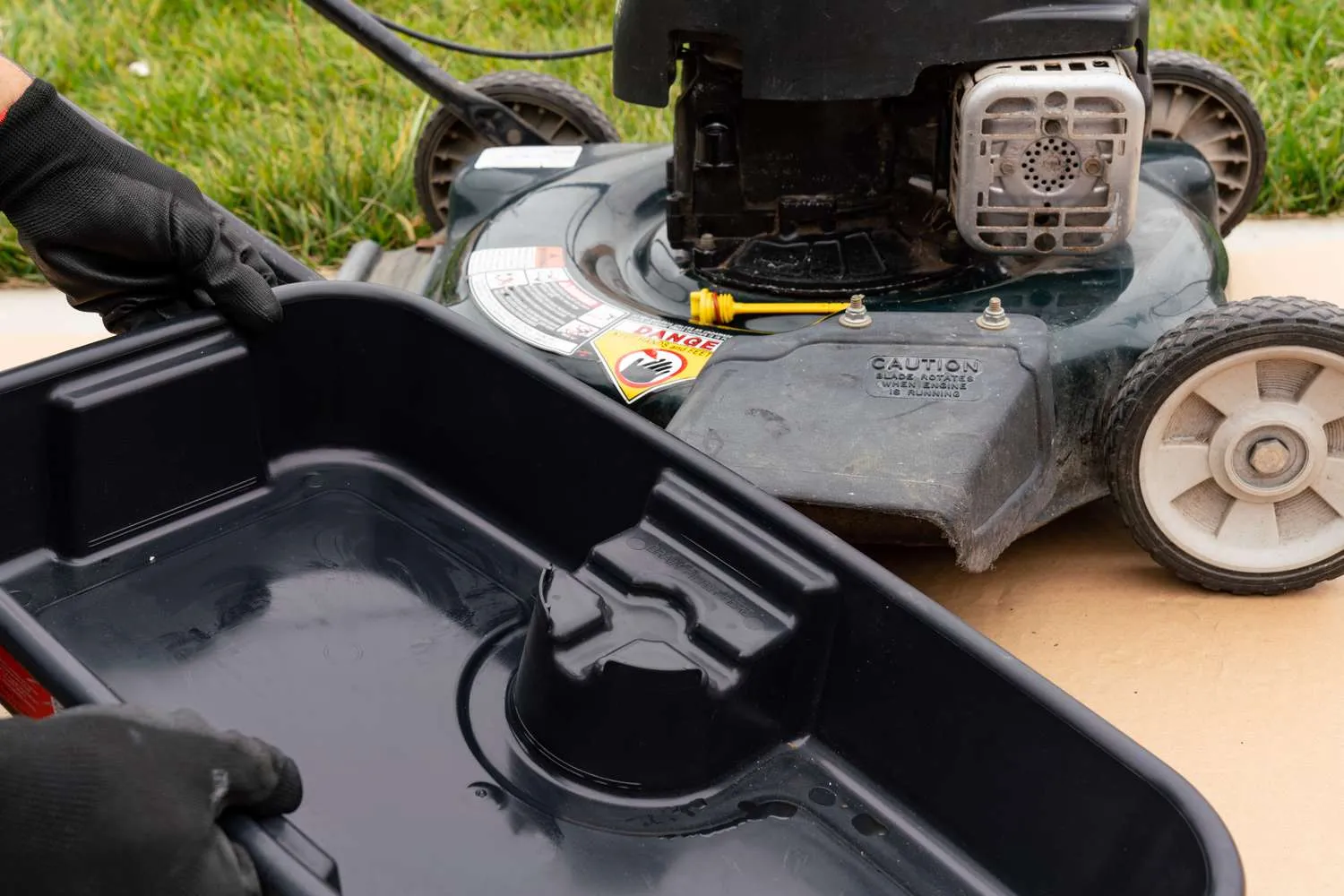
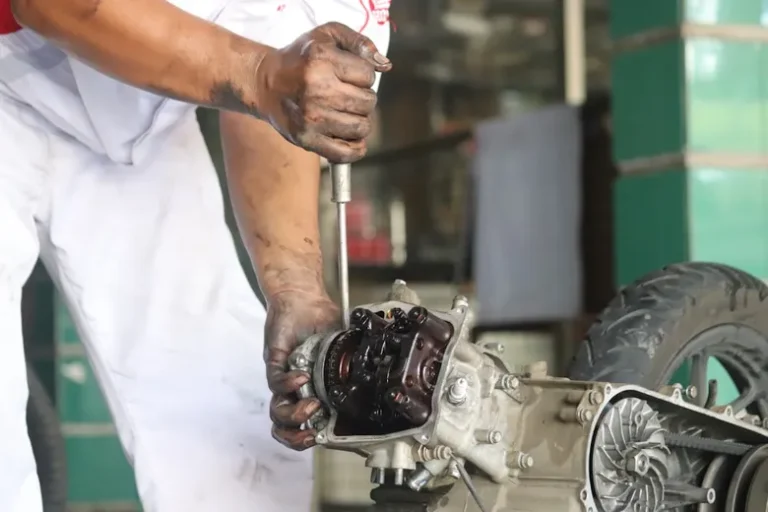
Image source: Thespruce
Frequently Asked Questions
How often should I sharpen my mower blade?
Sharpen every 20 to 25 hours of use. If you hit rocks, check sooner.
Can I use car oil in my lawn mower?
No. Use SAE 30 or 10W-30 as recommended. Car oil may be too heavy.
What happens if I don’t change the air filter?
A dirty filter causes poor performance and engine damage. It can stall the mower.
Should I use ethanol-free gas?
Yes, if possible. Ethanol attracts water and gums up the system.
Conclusion
Regular lawn mower maintenance is not hard. It saves time and money. Focus on blade sharpening, oil change, air filter cleaning, spark plug replacement, and fuel stabilizer. These tasks keep your mower running well. They also give you a great-looking lawn. Start today. Your mower will thank you.
Remember to follow the owner’s manual. Each machine is different. With simple care, you can enjoy years of reliable service. Happy mowing!