What Affects Lawn Mowing Quality and Results
Lawn mowing quality and results depend on several critical factors. Many homeowners assume mowing is simple, but small mistakes can ruin your lawn. Understanding what affects the outcome helps you achieve a lush, healthy lawn. This guide covers the key elements that matter most.
From the sharpness of your blades to the height of your cut, every detail plays a role. Even the pattern you mow in can impact growth. By mastering these factors, you can avoid common problems like scalping or uneven cuts.
Let’s dive into the essential aspects that determine lawn mowing quality and results. You will learn how to optimize each factor for a beautiful lawn.
Key Takeaways
- Main Point: Lawn mowing quality and results hinge on blade sharpness, mowing height, grass wetness, mowing pattern, and deck leveling.
- Actionable Advice: Always check blade sharpness before each mow; dull blades tear grass, causing browning.
- Best Choice/Practice: Set mowing height to one-third of grass length; never cut more than that.
- Expert Insight: Avoid mowing grass wetness; wet grass clumps and spreads disease.
- Summary: Consistent mowing pattern and proper deck leveling ensure even cuts and a professional look.
The Role of Blade Sharpness in Lawn Mowing Quality
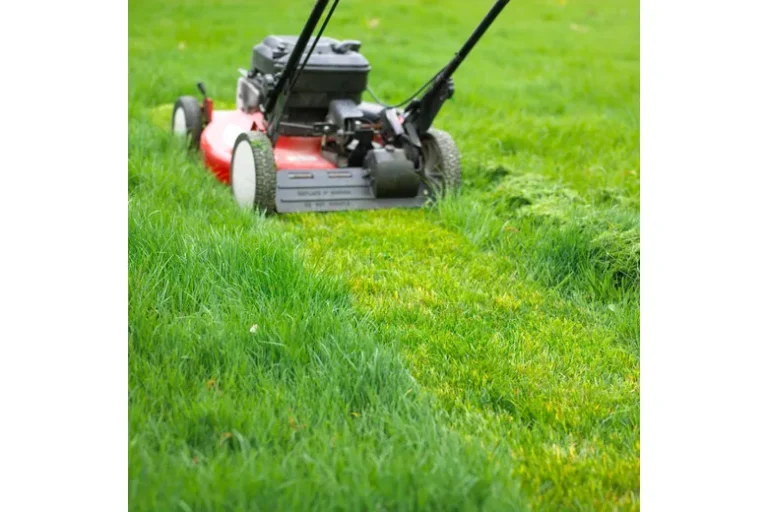
Blade sharpness is the most critical factor for a clean cut. Sharp blades slice grass cleanly, while dull blades tear and shred. Torn grass loses more water, turning brown at the tips. This invites diseases and pests.
Check your mower’s blade every few uses. A sharp blade reflects light and has a clean edge. If it looks rounded or nicked, it’s time to sharpen. For best results, sharpen at least once a season or after 25 hours of use.
Using a dull blade also strains your mower engine. It requires more power to cut, wasting fuel and time. Keep a spare blade on hand so you can swap quickly.
How to Test Blade Sharpness
Test by cutting a piece of paper. A sharp blade slices cleanly. A dull blade tears or fails. Also inspect grass tips after mowing. If they look frayed, your blade is dull.
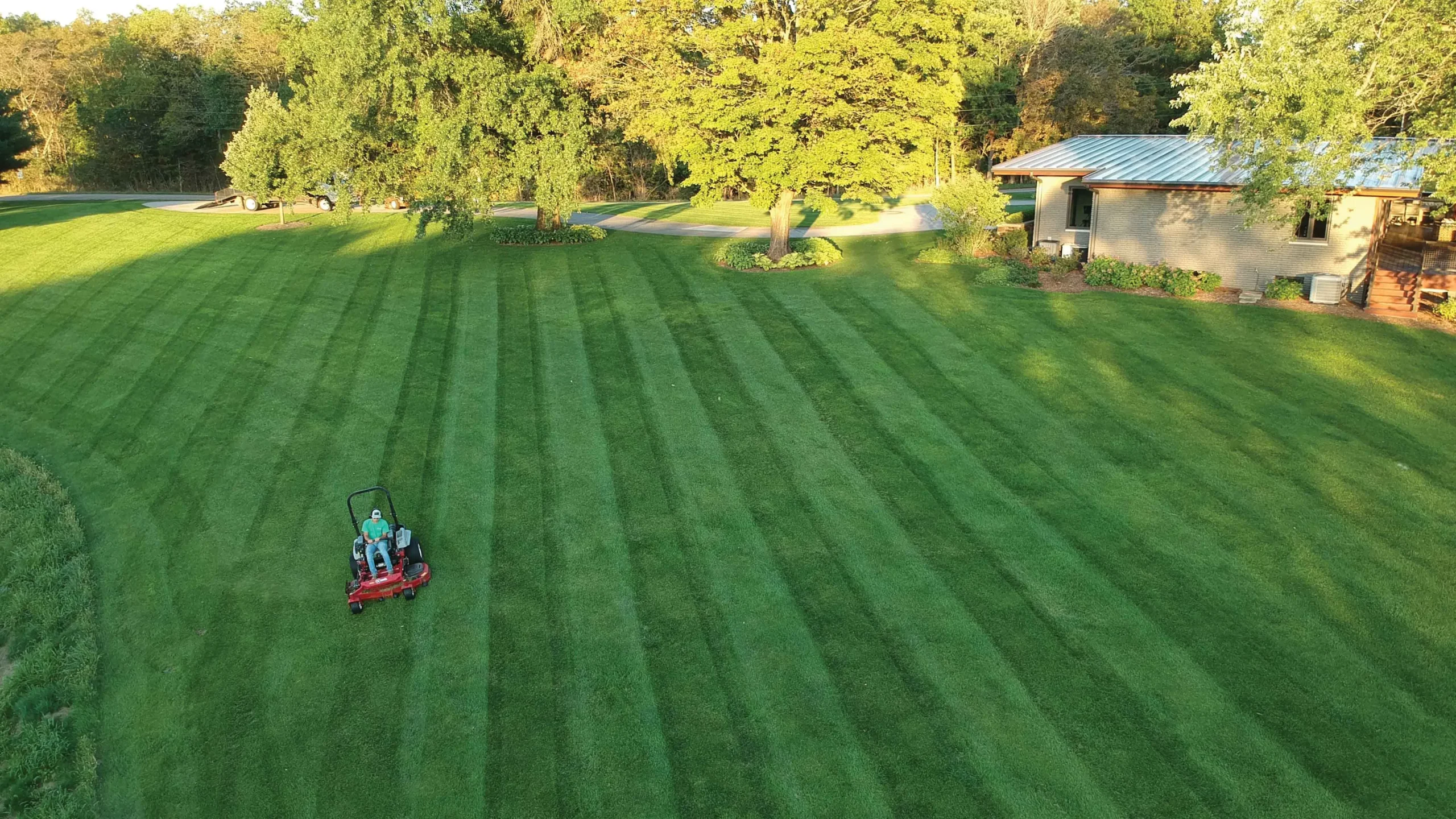
Image source: Backyard
Mowing Height: Finding the Sweet Spot
Mowing height directly affects lawn health and appearance. Cutting too low scalps the grass, exposing soil and stunting roots. Cutting too high leaves the lawn shaggy and shades lower leaves.
The golden rule is the one-third rule: never cut more than one-third of the grass blade length at once. For most cool-season grasses, keep height at 2.5 to 4 inches. Warm-season grasses thrive at 1 to 2.5 inches.
Adjust height gradually over the season. Raise it in summer to protect roots from heat. Lower it in spring and fall for denser growth. Always measure from the ground to the mower deck, not the grass tip.
💡 Pro Tip
Always mow with a sharp blade. For best results, sharpen your blade after every 10 hours of mowing. A quick touch-up with a file can extend its life between full sharpenings.
Height Adjustments for Different Grass Types
- Kentucky Bluegrass: 2.5–3.5 inches
- Bermudagrass: 1–2 inches
- Fescue: 3–4 inches
- Zoysia: 1–2 inches
Use a ruler or mower’s height indicator to set accurately. Check wheel and deck adjustments for consistency. Uneven height leads to patchy results.
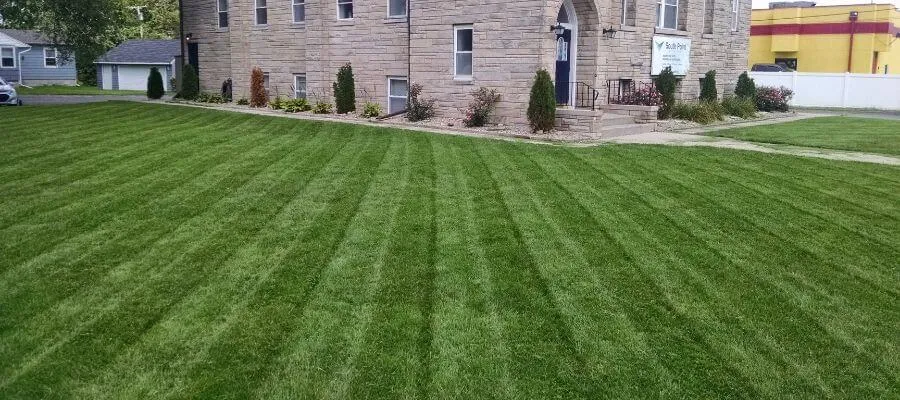
Image source: Milorganite
Grass Wetness and Mowing Timing
Grass wetness is a common mistake that ruins mowing quality. Wet grass clumps together, clogging the mower deck. It also bends under the blade, leading to uneven cuts. Additionally, wet conditions promote fungal diseases by spreading spores.
Always mow when grass is dry. The best time is late morning after dew evaporates but before heat stresses the lawn. Avoid mowing after rain or irrigation. If you must mow wet grass, raise the cutting height and use a slower pace.
Wet conditions also cause slippery footing and increase risk of accidents. Your mower may leave ruts on soggy soil. Wait until the lawn is firm and dry for best results.
⚠️ Important Note
Never mow wet grass. Wet grass clumps, clogs your mower, and spreads fungal diseases. If you must mow, raise the cutting height and clean the deck immediately afterward.
Signs Your Lawn Is Too Wet to Mow
- Water beads on leaf blades
- Footprints remain visible after walking
- Grass feels spongy underfoot
- Mower leaves wet clumps on the lawn
If you see these signs, delay mowing until conditions improve. Patience pays off with a cleaner cut and healthier lawn.
Mowing Pattern for a Professional Finish
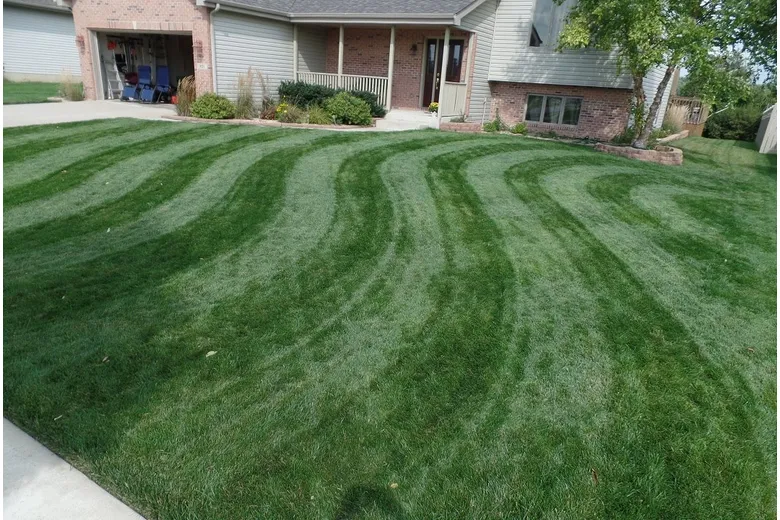
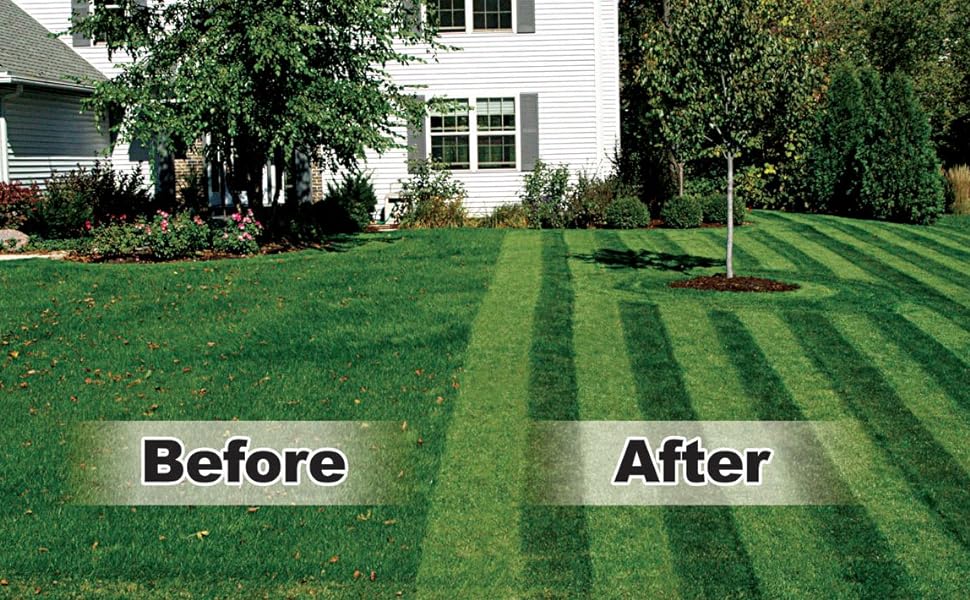
Mowing pattern affects not just appearance but also grass health. Repeating the same pattern every time causes soil compaction and grass to lean in one direction. This leads to ruts and uneven growth.
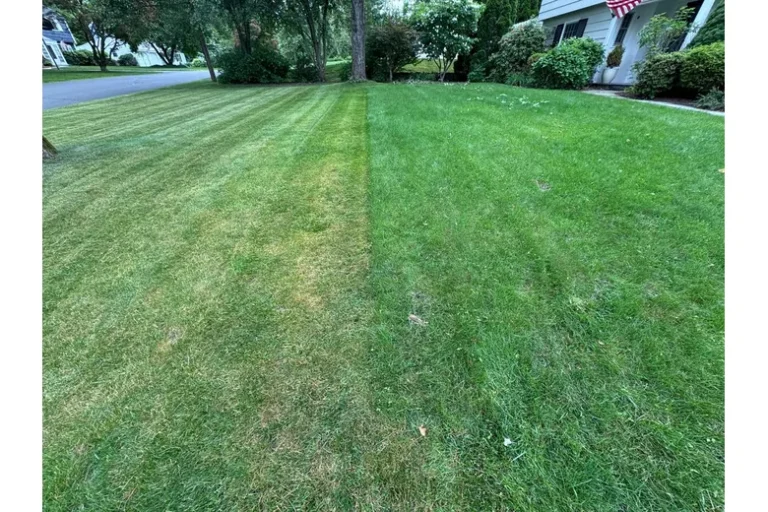
Change your mowing pattern each time. Alternate between horizontal, vertical, and diagonal lines. This encourages upright growth and prevents wear patterns. For a striped look, use a roller mower or simply overlap slightly.
Pattern also impacts how the grass bends. Light reflects differently off bent grass, creating stripes. To achieve a clean finish, mow in straight lines and avoid overlapping too much. Use a guide to keep rows even.
For more tips, check out our guide on How to Mow Your Lawn for Better Results.
Deck Leveling and Mower Maintenance
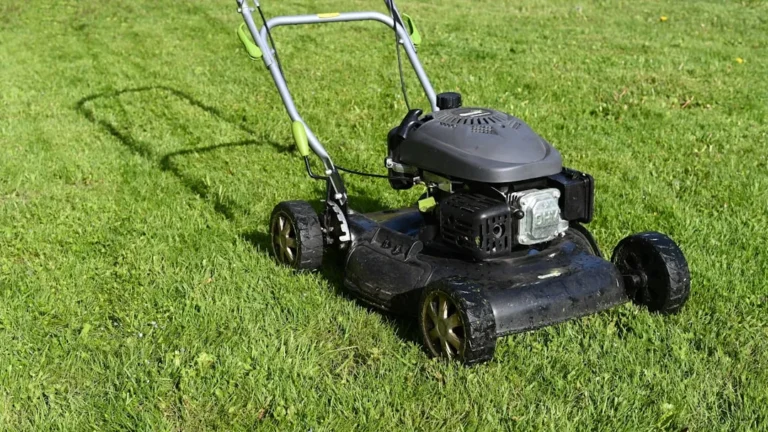
Deck leveling ensures the blade cuts at a consistent height across the width. An unlevel deck causes scalping on one side and tall grass on the other. This ruins the uniform look of your lawn.
Check deck levelness on a flat surface. Measure from the ground to the blade tip on both sides. The difference should be within 1/8 inch. Adjust the deck’s adjustment bolts or wheels as needed.
Regular maintenance, such as cleaning the underside and checking belts, also impacts results. A dirty deck clogs and reduces efficiency. Lubricate moving parts and replace worn components. After mowing, How to Keep Your Lawn Green After Mowing offers additional tips for post-mow care.
Proper deck leveling not only improves cut quality but also reduces stress on the mower. It prevents uneven wear on blades and ensures longer equipment life.
Steps to Level Your Mower Deck
- Park on a level concrete surface.
- Disconnect the spark plug for safety.
- Measure from blade tip to ground at front and rear corners.
- Adjust deck hanger brackets or wheel heights.
- Recheck and repeat until sides are even.
Perform this check at the start of each mowing season. It takes only a few minutes but greatly improves results.
Frequently Asked Questions
How often should I sharpen my mower blade?
Sharpen your blade every 10-15 hours of use, or at least once per season. Signs of dullness include frayed grass tips and increased mower vibration.
What is the best mowing height for a healthy lawn?
For most lawns, 2.5 to 4 inches is ideal. Adjust based on grass type and season. Follow the one-third rule to avoid stress.
Can I mow wet grass if I have no choice?
Only if absolutely necessary. Raise the cutting height, use a slower speed, and clean the deck frequently. Expect a less clean cut and potential clumping.
Why does my lawn look striped after mowing?
Stripes are caused by grass bending in different directions. Changing your mowing pattern reduces the effect. For uniform color, mow at consistent speeds and avoid overlapping.
Conclusion
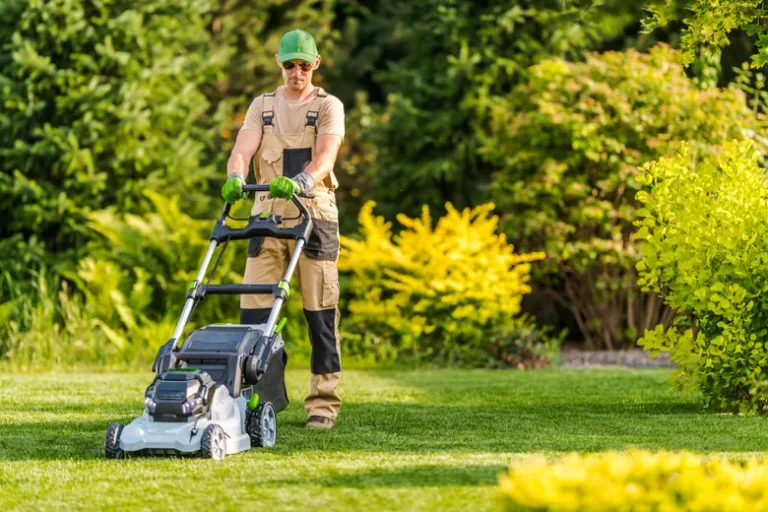
Mastering the factors that affect lawn mowing quality and results transforms your lawn. Focus on blade sharpness, proper mowing height, avoiding grass wetness, varying your mowing pattern, and ensuring correct deck leveling. Each element contributes to a healthy, attractive lawn.
Implement these practices consistently. Your lawn will reward you with dense green growth and a professional appearance. Remember, small adjustments make a big difference. Happy mowing!