What Determines the Perfect Grass Cutting Height
What determines the perfect grass cutting height? It is a question every lawn owner faces. The answer depends on several factors. Your grass type, the current season, and your mowing habits all play a role. Getting the height right keeps your lawn healthy and green. This guide explains everything you need to know.
Cutting grass too short stresses the plant. It can lead to weeds and bare patches. Cutting too high may make the lawn look unkempt. The ideal height balances looks and health. You want a lush, thick turf that fights off pests and diseases. Read on to learn the key factors and best practices.
We will cover grass types, seasonal changes, mowing frequency, and blade sharpness. You will also get practical tips for a beautiful lawn. Let’s start with the most important factor: your grass type.
Key Takeaways
- Main Point: Perfect cutting height depends on grass type, season, and mowing practices.
- Actionable Advice: Follow the one-third rule – never cut more than one-third of the blade length.
- Best Practice: Keep blades sharp and adjust height with the season.
- Expert Insight: Taller grass develops deeper roots and needs less water.
- Summary: Mow high during hot weather, lower in cooler seasons, and always use sharp blades.
Grass Type and Its Ideal Height
Every grass type has a preferred height range. Cool-season grasses like Kentucky bluegrass and fescue grow best at 2.5 to 4 inches. Warm-season grasses such as Bermuda and Zoysia thrive at 1 to 2.5 inches. Knowing your lawn’s grass type is the first step to perfect cutting.
Cool-Season Grasses
These grasses grow actively in spring and fall. They need higher cutting heights. Tall fescue should be 3 to 4 inches tall. Kentucky bluegrass does well at 2.5 to 3.5 inches. Cutting them too low can cause thinning and weed invasion. Always use the one-third rule: never remove more than one-third of the blade at once.
- Kentucky Bluegrass: 2.5–3.5 inches
- Tall Fescue: 3–4 inches
- Fine Fescue: 2.5–4 inches
Warm-Season Grasses
These grasses love heat. They grow best when cut shorter. Bermuda grass should be 1 to 2 inches. Zoysia grass does well at 1.5 to 2.5 inches. St. Augustine needs a bit more height, around 2.5 to 4 inches. Scalping these grasses in spring can help, but only with proper timing.
- Bermuda: 1–2 inches
- Zoysia: 1.5–2.5 inches
- St. Augustine: 2.5–4 inches
Seasonal Mowing Adjustments
The season strongly affects the perfect cutting height. In summer, taller grass shades the soil and reduces water loss. In spring and fall, lower heights help the lawn breathe. Adjust your mowing height as temperatures change.
Summer Heat
During hot months, raise the mowing deck. For cool-season grasses, go to the upper end of the range. This keeps turf health strong. Taller blades create shade and keep roots cool. You also reduce stress from drought.
Spring and Fall
In cool weather, you can mow lower. This encourages lateral growth and denser turf. But never go below the recommended minimum for your grass type. A good rule is to drop the height by half an inch from summer settings.
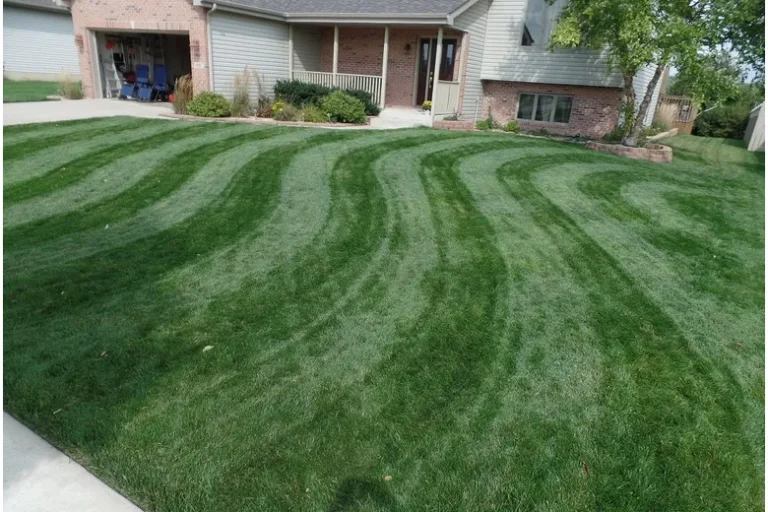
Image source: Britannica
💡 Pro Tip
During summer, keep grass on the taller side of its range to shade the soil and reduce water evaporation. This simple adjustment can cut watering needs by up to 30%.
Mowing Frequency and the One-Third Rule
Mowing frequency matters as much as height. You should cut grass often enough to never remove more than one-third of the blade. This means mowing weekly in fast growth periods, and less often in drought or cool weather. Frequent mowing promotes thick, healthy turf.
How Often to Mow
During peak growth, you may need to mow every 5–7 days. In slower seasons, every 10–14 days is enough. Watch your grass. If it grows 1.5 inches above your target height, it is time to cut. Keeping a consistent schedule improves turf health.
- Fast growth: mow weekly
- Slow growth: mow every two weeks
- Always follow the one-third rule
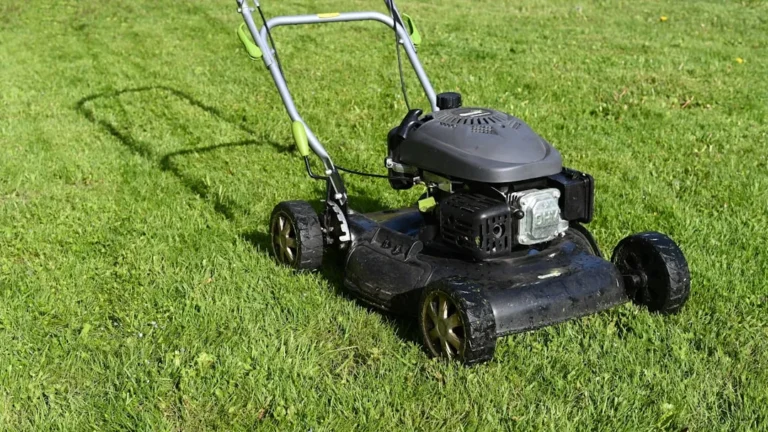
Image source: Planetnatural
⚠️ Important Note
Never remove more than one-third of the grass blade in a single mowing. Violating this rule can shock the plant, weaken roots, and lead to disease and weed invasion.
Blade Sharpness and Its Impact on Cut Quality
Blade sharpness is critical for a clean cut. Dull blades tear the grass, leaving brown tips. This stresses the plant and invites disease. Sharp blades slice cleanly, helping the lawn heal fast. Always check your blade before each mowing season.
Signs of Dull Blades
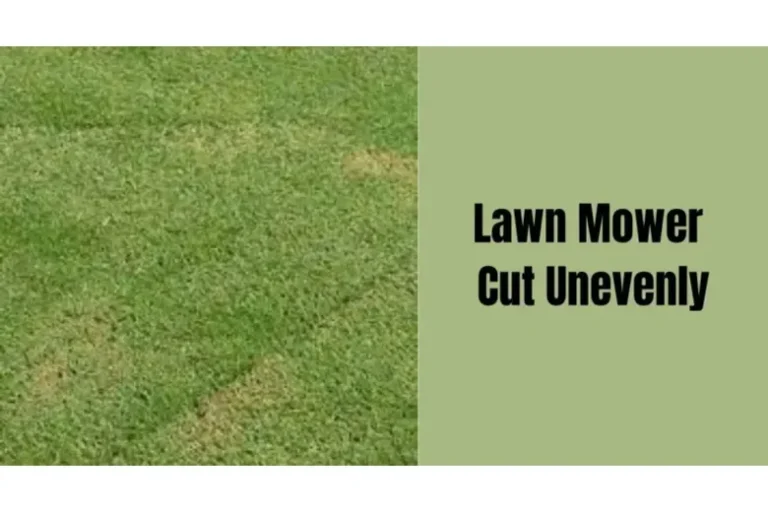
Look for frayed grass tips or a ragged look after mowing. A dull blade can also cause uneven cutting. Sharpen your mower blade at least once a year, or more often if you mow large areas. A sharp blade gives a professional finish.
How to Maintain Sharpness
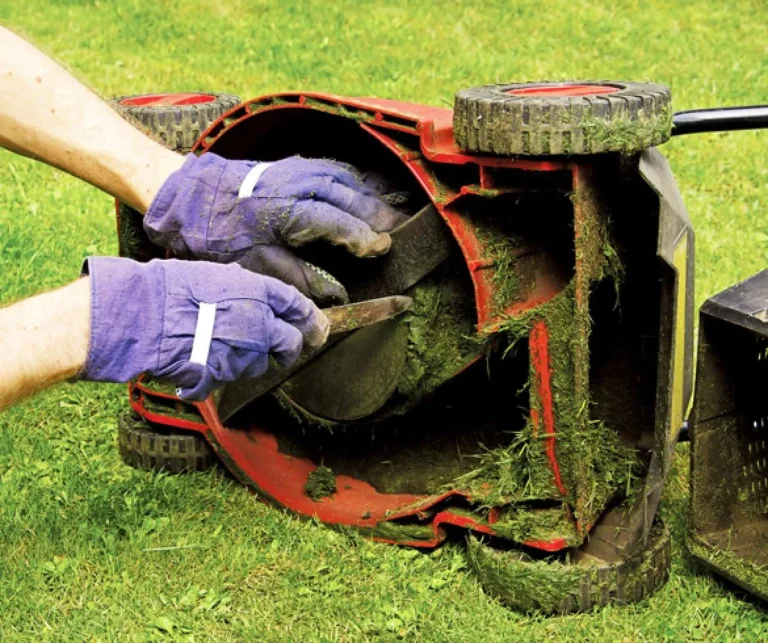
Remove the blade and sharpen it with a file or grinder. Balance it before reattaching. Replace the blade if it is bent or chipped. Using a sharp blade reduces mowing time and improves turf health.
Image source: Planetnatural
Other Factors That Affect Cutting Height
Besides the main factors, other elements can influence your mowing height. Soil type, shade, and desired lawn use all play a part. For example, lawns with heavy shade may need a slightly taller cut to capture enough light. High-traffic areas benefit from a bit more height to withstand wear.
Soil and Drainage
Poor soil may require a higher cut to encourage deeper roots. Sandy soil dries fast, so taller grass helps retain moisture. Clay soil holds water, so a shorter cut can reduce disease risk. Adjust height based on your soil conditions.
Lawn Use
If you have children or pets, mow a little higher. This gives the grass resilience. For a formal garden, a lower cut may look neater. But always stay within the safe range for your grass type.
Frequently Asked Questions
How do I determine the ideal cutting height for my lawn?
Identify your grass type first. Then look up its recommended height range. Adjust within that range based on season and weather.
Should I cut grass shorter in winter?
For cool-season grasses, you can mow slightly lower in late fall. But do not scalp the lawn. For warm-season grasses, raise the height to protect from cold.
What happens if I cut grass too short?
Shock the plant, weaken roots, and invite weeds. The lawn may turn brown and thin. Always follow the one-third rule.
How often should I sharpen my mower blade?
At least once a year. If you mow a large lawn or hit rocks, sharpen more often. A dull blade damages grass health.
Conclusion
Finding the perfect grass cutting height takes a little knowledge. Know your grass type, watch the season, and mow often with sharp blades. Follow the one-third rule and adjust as needed. A well-cut lawn is healthier and looks great. Remember: turf health starts with a proper cut. Use these tips to enjoy a lush, green lawn all year long.