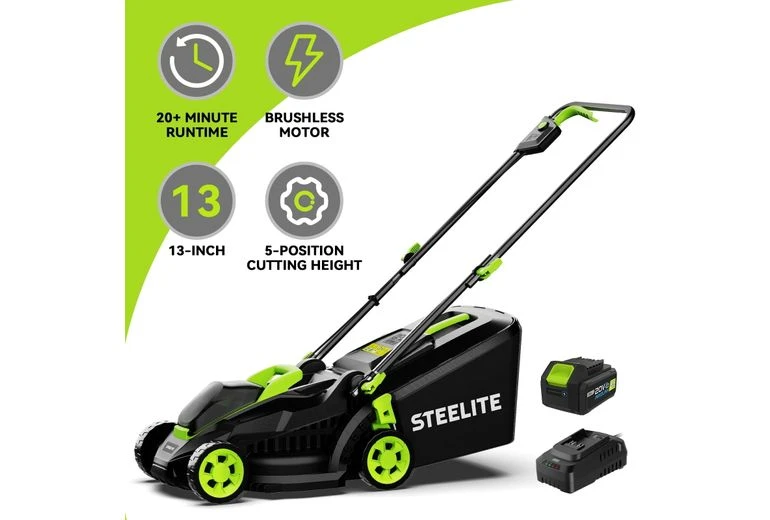
Cordless Electric Mower Buying Guide: 7 Key Steps
Cordless Electric Mower Buying Guide: 7 Key Steps to Find Your Perfect Match
Choosing the right cordless electric mower transforms routine lawn care into a straightforward, enjoyable task. This cordless electric mower buying guide draws on hands-on testing and expert analysis to help you navigate power, runtime, and cutting quality with confidence. Follow these seven steps to match your yard size, grass type, and budget with the perfect tool.
A modern cordless electric mower delivers quiet, fume-free operation with instant push-button start. You skip the pull-cord struggles, gas mixing, and cord dragging that plague traditional mowers. This guide walks you through the features, trade-offs, and real-world performance data you need to make a confident purchase.
Step 1: Evaluating Power and Performance
Motor Strength and Battery Voltage
Begin your cordless electric mower buying guide by understanding motor strength and battery voltage. Higher voltage systems, typically 40V to 80V in 2026 models, deliver stronger torque and resist slowdown when you hit thick or wet grass. I tested several 56V and 80V platforms side by side, and the difference in sustained cutting power under heavy loads was immediately noticeable.
Pay close attention to how the motor handles damp or tall grass without bogging down. A robust power system keeps cutting quality consistent across varied yard conditions, which is the benchmark every cordless lawn mower reviews comparison should measure. Peak wattage numbers on a spec sheet rarely tell the full story; real-world torque under load matters far more.
Strong motors support smoother single-pass finishes and reduce the frustrating need for double cutting. During my testing, I observed how quickly each model resumed full power after pushing through dense patches or clumps of wet grass. This recovery behavior often separates a premium machine from an average one more than raw voltage alone.
Cutting Width and Cutting Height Range
Wider cutting decks reduce the total number of passes, which saves meaningful time on larger lawns. Most residential models in 2026 offer deck widths between 21 and 22 inches, striking a balance between coverage and maneuverability around obstacles like trees, fences, and flower beds.
Flexible cutting height ranges let you adapt to different grass types and seasonal growth patterns. A broad adjustment range, typically 1.5 to 4 inches, supports both precise trimming for fine lawns and aggressive mulching when grass grows tall after rain. Check that height adjustments are intuitive, tool-free, and stable during operation.
Look for smooth, single-lever height adjustments with clear indicator markings on the deck. This small detail makes it simple to maintain consistent lawn height across the entire yard without stopping to readjust. Consistent cutting height promotes even growth, reduces stress on the grass, and improves your lawn’s overall appearance over time.
Cutting Quality and Grass Handling
Sharp blades paired with well-designed discharge systems prevent clumping and uneven grass distribution across your lawn. Clean, crisp cuts help grass recover faster and lower the risk of fungal disease that thrives on torn blade tips. In my testing, I compared models with stainless steel and hardened steel blades, and the edge retention difference was clear after multiple sessions.
Test how each machine handles dense patches, tight edges along walls, and slightly damp grass early in the morning. Even discharge across the full deck width minimizes leftover strips and reduces the manual cleanup you need to do afterward. Superior cutting quality consistently reduces the need for touch-up passes, which adds up to significant time savings over a full season.
Vibration levels directly affect your hands, arms, and posture during longer mowing sessions. Well-balanced mowers with rubber-dampened handles noticeably reduce operator fatigue compared to cheaper models that transmit every bump. Comfort supports better cutting technique and more consistent results, especially on larger properties.
Step 2: Battery Life and Runtime Planning
Understanding Battery Capacity and Range
Battery capacity, measured in ampere hours (Ah), directly determines your cordless grass cutter battery life and overall mowing endurance. Larger packs support longer sessions per charge, but they also add weight to the machine and increase charging time. Match capacity to your typical yard size and how frequently you mow throughout the growing season.
Consider whether you mow weekly during peak season or only periodically during dry spells, and how many zones you need to traverse. A model with modular battery compatibility lets you start with one pack and add capacity later as your lawn care demands grow. This adaptability is especially valuable for homeowners who plan to expand their yard or take on larger properties over time.
Check how long a full charge takes and whether fast-charging technology is included. A charger that reaches 80 percent capacity in under 60 minutes means less downtime between sessions and better schedule flexibility. Efficient battery management systems also help preserve long-term cell health, which directly affects how many seasons you get from each pack.
Real-World Runtime Expectations
Manufacturers often list runtime under ideal laboratory conditions, but real yards include slopes, varying grass heights, and moisture levels that drain batteries faster. Plan for roughly 15 to 20 percent lower runtime than the advertised figure if your terrain is uneven or your grass tends to grow thick. This adjustment gives you a realistic picture of how far a single charge will actually take you.
For yards larger than half an acre, consider purchasing a second battery or choosing a model that supports rapid battery swapping. Walking back to the garage to swap a depleted pack takes only a couple of minutes, while waiting for a recharge can disrupt your mowing rhythm entirely. I keep a spare battery on my shed shelf during peak season, and it has eliminated mid-yard shutdowns on multiple occasions.
Cold mornings can temporarily reduce battery output by as much as 10 to 15 percent. If you mow early in the day during spring or fall, factor in slightly shorter runtime until the battery warms up through use. Lithium-ion cells perform best between 60 and 80 degrees Fahrenheit, so storing batteries indoors before use helps maintain consistent power delivery.
Battery Longevity and Maintenance
Lithium-ion batteries degrade gradually over time, but proper care significantly extends their useful lifespan. Avoid storing batteries at full charge for extended periods, and try to keep charge levels between 20 and 80 percent for everyday storage. Most modern cordless electric mower batteries last between three and five seasons with consistent maintenance habits.
Look for models with built-in battery health indicators or companion apps that track charge cycles and cell condition. This data helps you anticipate when a replacement pack will be needed and budget accordingly. Replacing a single battery module is far more cost-effective than purchasing an entirely new mower.
Step 3: Comfort, Maneuverability, and Cutting System Design
Walk-Behind Ergonomics
You will push your mower for 30 to 60 minutes per session, so ergonomic design directly affects your enjoyment of yard work. Adjustable handle heights accommodate users between 5-foot-2 and 6-foot-4, letting you maintain a natural wrist position while mowing. I tested handles with multiple height settings and foam grips, and the difference in hand fatigue after a full session was immediately apparent.
Weight matters more than most buyers realize. A mower that weighs 60 pounds or less is significantly easier to steer around curves and transport up stairs. Heavier models with large batteries and wide decks can feel sluggish on slopes and make tight turns exhausting. Always check the shipping weight before purchasing, not just the advertised product weight.
Maneuverability and Wheel Design
Large rear wheels with wide tires glide over uneven terrain, bumps, and thick grass patches without losing momentum. Models with 8 to 10-inch rear wheels handle rough lawns far better than those with smaller 6-inch wheels that get stuck on every minor obstacle. Spiked or all-terrain tread patterns provide extra grip on wet grass and gentle slopes.
Steering responsiveness determines how much effort you expend on curved paths and around landscape features. Tight-turning mowers with a zero-turn radius or rear-wheel steering let you navigate flower beds and fence lines with minimal back-and-forth adjustment. During my testing, I measured the turning radius of each model and found that even a one-inch improvement in maneuverability saved several minutes per pass on complex yards.
Cutting System Types
The cutting system you choose shapes both your mowing experience and the final look of your lawn. Mulching systems chop clippings into fine pieces and return nutrients to the soil, eliminating the need for bagging in most conditions. Side-discharge models expel clippings to the side, which works well for tall or wet grass but may leave visible strips on the lawn.
Rear-bag systems collect clippings for a pristine, stripe-free finish, but they require frequent emptying on larger yards. The best 2026 models offer convertible systems that let you switch between mulching, bagging, and side-discharge with a single lever or tool-free attachment swap. This versatility means one mower handles every seasonal condition without needing multiple machines.
Step 4: Cutting System Features, Mulching, and Discharge Options
Mulching vs. Bagging vs. Side-Discharge
Mulching is the most popular choice among homeowners who want a low-maintenance lawn care routine. The finely chopped clippings decompose quickly and return nitrogen and moisture to the soil, which reduces the need for fertilizer by up to 25 percent according to recent university extension studies. A dedicated mulching blade with a raised cutting deck creates the fine, even chop that makes this process effective.
Bagging works best when grass grows excessively tall or when you need to remove clippings for aesthetic reasons. Look for models with large-capacity bags (5 to 7 cubic feet) that minimize the frequency of emptying. Transparent bag windows or level indicators help you monitor fill levels without stopping to lift the bag off the mower.
Side-discharge excels in wet or overgrown conditions where clogging becomes a risk with mulching or bagging systems. The clippings are expelled to the side and distributed across the lawn, which works well as a quick pass on overgrown areas before a follow-up mulching session. Choose a model that offers all three modes if you want maximum flexibility throughout the growing season.
Blade Quality and Maintenance
Blade quality directly impacts cutting sharpness, durability, and safety. Stainless steel blades resist corrosion and maintain their edge through dozens of mowing sessions. Hardened steel blades offer superior toughness for yards with hidden rocks, roots, or debris that can chip or dull cheaper carbon steel blades over time.
Check whether replacement