Smart Lawn Mower Buyer’s Guide 2026
Choosing the right lawn mower can transform yard work from a chore into a simple, satisfying routine. This Complete Lawn Mower Buyer’s Guide walks you through every step so you feel confident and informed. You will understand lawn mower types, key lawn mower features, and practical lawn mower maintenance tips.
Define Your Yard Size And Terrain
Start by measuring your lawn and noting slopes and obstacles. Small, flat yards suit different machines than large, hilly areas. Map out problem zones such as tight corners and flower beds.
- Under 0.25 acre with open spaces: lightweight machines work well.
- Quarter to half acre with some slopes: consider stronger power and stability.
- More than half acre or many obstacles: prioritize comfort, cutting width, and reliability.
Think about grass type too. Long, wet grass demands more power than short, dry grass. Write down your yard conditions so you can match them to lawn mower types later in this guide.

Choose The Right Lawn Mower Types
Selecting among lawn mower types is the core of your decision. Each type suits specific needs, budgets, and yard conditions.
Push Reel Mowers
These rely on your effort and are quiet, eco-friendly, and low cost. They work best on flat, short grass and are unsuitable for tough or large yards. You will enjoy lighter weight and simple lawn mower features like a single cutting mechanism.
Rotary Walk Behind Mowers
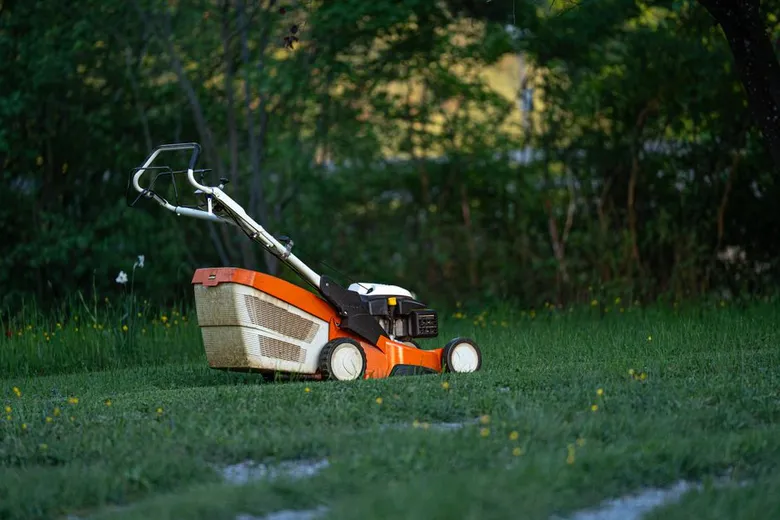
Gas and electric versions spin blades horizontally, handling moderate slopes and varied grass heights. They are affordable and easy to start, making them a common choice for many households. Look for models with adjustable handles and simple controls.
Self Propelled Walk Behind Mowers
These machines drive themselves while you guide them, reducing fatigue on longer strips. They shine on uneven terrain and gentle slopes. Check drive systems, turning radius, and ease of steering when you compare options.
Riding Mowers
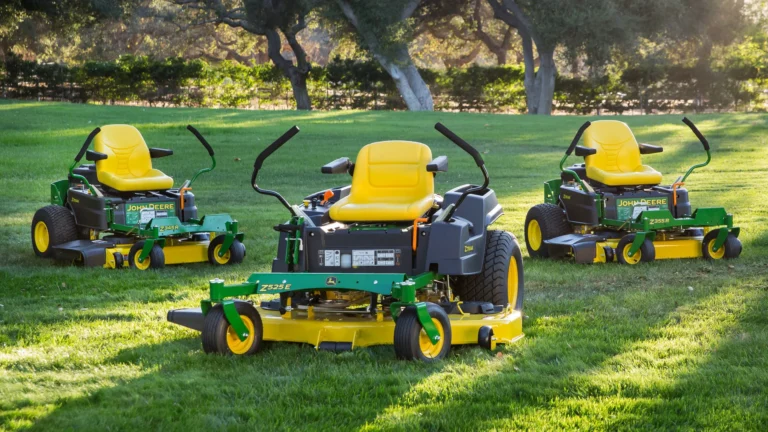
Ideal for large, open areas, these machines let you sit and steer like a small vehicle. They cut time dramatically but cost more and need storage space. Evaluate deck size, turning system, and comfort features such as seat suspension.
Robotic Mowers
Automated devices that map and mow on schedule with minimal human input. They work best on simple, obstacle-free yards. Factor in boundary setup, weather limits, and learning curves when considering this option.
Understand Key Lawn Mower Features
Across lawn mower types, certain lawn mower features consistently matter for performance and longevity.
Cutting Width
Wider decks reduce passes but add weight. Narrower decks suit tight yards and precision work. Choose a size that balances speed with maneuverability around trees and beds.
Cutting Height Adjustment
Multiple height settings let you match grass length to season and species. Look for easy, tool-free adjustments and clear, durable markings on the controls.
Starting Mechanism
Electric start offers convenience, while manual pull cords remain reliable and lighter. Consider your physical ability and how often you will use the machine.
Durable Frame And Wheels
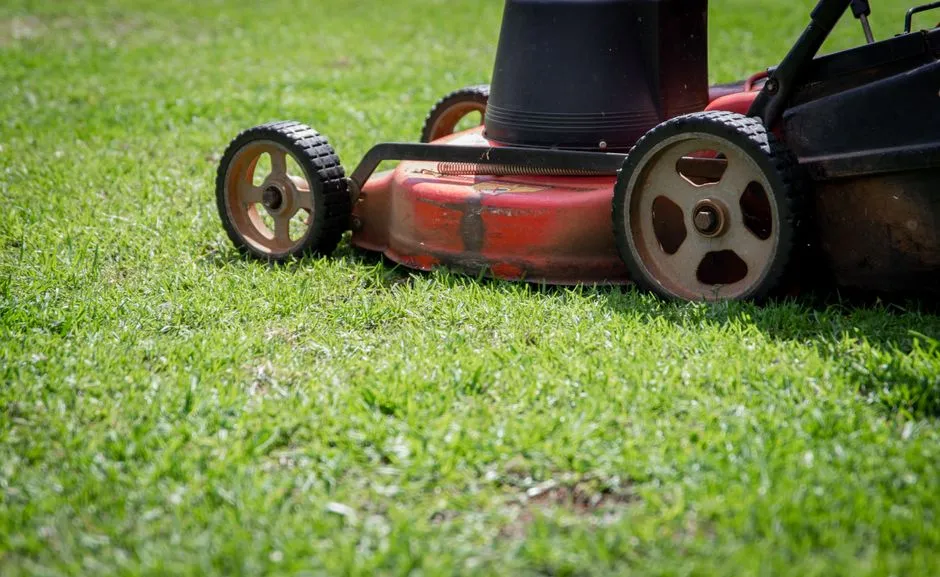
Steel frames generally last longer than plastic. Larger, pneumatic tires handle uneven ground better than solid or small turf tires. Check axle design for smooth turns.
Grass Collection And Discharge Options
Side discharge, rear discharge, and mulching each have pros and cons. Mulching returns nutrients but can clump in wet conditions. Choose based on your cleanup preference and climate.
Comfort And Ergonomics
Vibration, handle shape, and seat position affect fatigue. Test grip comfort, control layout, and visibility from your driving position. A well designed machine reduces strain over long sessions.
Technology And Convenience
Modern lawn mower features include LED displays, adjustable cutting decks, keyless ignition, and app connectivity. Weigh usefulness against cost and complexity to avoid paying for tech you will not use.
Compare Lawn Mower Types At A Glance
The table below summarizes core strengths and tradeoffs across common lawn mower types. Use it to narrow your short list before diving into specific models.
| Type | Best For | Effort Level | Typical Price Range | Noise |
|---|---|---|---|---|
| Push Reel | Small, flat lawns; eco-friendly care | High user effort | Low to mid | Very low |
| Rotary Walk Behind | Moderate yards, varied terrain | Medium user effort | Low to mid | Medium |
| Self Propelled Walk Behind | Larger or uneven areas | Low user effort | Mid to high | Medium to high |
| Riding | Large open spaces | Very low user effort | High | High |
| Robotic | Scheduled, low effort care | Minimal daily effort | High | Low to medium |
Plan For Lawn Mower Maintenance
Regular lawn mower maintenance keeps performance high, prevents breakdowns, and extends machine life. Build simple habits into your routine so your equipment stays ready when you need it.
- Clean the deck after each use to prevent grass buildup and rust.
- Sharpen blades at least once per season or more often in heavy use.
- Check and change oil, air filter, and spark plug on schedule for gas models.
- Inspect belts, cables, and tires before every peak mowing period.
- Store the machine in a dry place and protect it from extreme temperatures.
Read the owner manual for model-specific lawn mower maintenance steps. Consistent care reduces repair costs and ensures safe, reliable operation season after season.
Set A Realistic Budget
Price ranges vary widely across lawn mower types and lawn mower features. Establish a budget that covers purchase price, accessories, and ongoing lawn mower maintenance costs.
- Include fuel, oil, blades, and basic tools in your calculations.
- Consider long term value rather than only upfront cost.
- Look for bundles that include safety gear or winter storage options.
A slightly higher initial investment in a durable machine can save money over time by reducing repairs and fuel inefficiency.
Frequently Asked Questions
What is the easiest lawn mower type for beginners?
Electric walk behind or self propelled models are beginner friendly due to lighter weight, easy starting, and intuitive controls.
How do I choose between push and self propelled mowers?
Choose self propelled if you have slopes or long stretches; choose push if your yard is small, flat, and you want lower cost and maintenance.
Is robotic mowing worth the investment?
It is worth it if you value scheduled, low effort upkeep and have a simple yard layout that suits boundary setup.
How often should I perform lawn mower maintenance?
Perform basic checks before each mowing season and deeper service at least annually, or more often with heavy use.
Conclusion
The right machine matches your yard, budget, and physical comfort. Use this Complete Lawn Mower Buyer’s Guide to compare lawn mower types and lawn mower features confidently.
Plan for lawn mower maintenance from day one so your equipment stays reliable year after year. With the correct choice, you will enjoy a healthy lawn and minimal stress each season.